Alibaba Plans HK$80 Billion Share Sale to Fund AI Infrastructure Push
Alibaba says it will raise HK$80 billion through a share placement and use the proceeds entirely for full-stack AI capabilities and AI infrastructure. The move signals how aggressively major tech companies are redirecting capital toward compute, cloud, and model development as AI becomes a core strategic battleground.
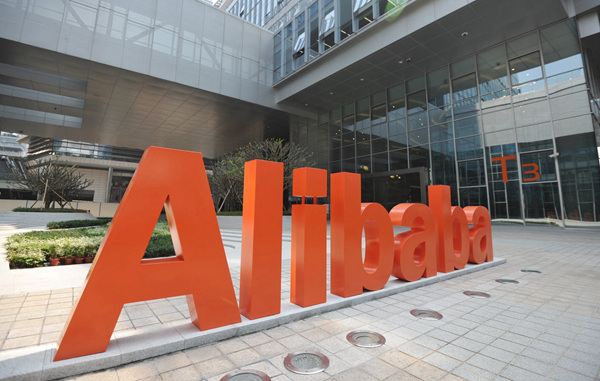
Alibaba has announced plans to raise HK$80 billion through a new share placement, with the company saying the net proceeds will be used entirely to invest in full-stack AI capabilities and strengthen AI infrastructure.
The fundraising is notable not only for its size, but also because it marks Alibaba’s first new share placement since its Hong Kong listing in 2019. According to the company’s disclosure, the offering was already oversubscribed, suggesting investors remain willing to back large-scale AI spending despite broader concerns about capital intensity across the sector.
AI is becoming central to Alibaba’s capital strategy
The financing comes just days after Alibaba reported quarterly results that highlighted the growing weight of its AI-related businesses. For the quarter ended June 30, group revenue reached RMB 268.953 billion, up 9% year over year. The company also said annual recurring revenue from AI-related products surpassed RMB 49.5 billion, while AI cloud and compute services revenue rose 45% to RMB 48.437 billion.
Those figures help explain why Alibaba is willing to raise fresh equity specifically for AI. Rather than framing AI as an experimental growth area, the company is now treating it as a strategic investment category large enough to justify dedicated capital formation.
Alibaba has previously argued that its AI capital expenditures could be recovered within three years, and potentially in as little as 2.5 to 2 years. Alibaba Cloud has also set an ambitious long-term target of reaching $100 billion in external commercial revenue by 2030, with operating margins above 20%.
A broader global race to fund AI infrastructure
Alibaba’s move fits into a wider pattern across global technology companies: AI is no longer just a product story, but an infrastructure story. The biggest players are increasingly raising or reallocating enormous sums for chips, data centers, cloud capacity, and model training.
In that context, Alibaba’s share sale reflects a broader market reality. AI leadership now depends not only on research talent and product execution, but also on access to capital and the ability to build or secure large-scale compute infrastructure. For companies with serious platform ambitions, the cost of staying competitive is rising quickly.
The significance is especially strong for Alibaba because the company sits at the intersection of cloud services, enterprise AI adoption, and consumer-facing platforms. Investing in full-stack AI suggests a strategy that spans underlying infrastructure, model capabilities, and downstream commercial applications rather than a narrower bet on one layer of the stack.
What the deal signals
The share placement sends a clear message: Alibaba sees AI demand as durable enough to justify dilution today in exchange for infrastructure capacity tomorrow. It also indicates that investor appetite for major AI financing remains intact when companies can point to real revenue traction and a defined strategic use of proceeds.
For the wider market, the announcement is another sign that AI competition is entering a more capital-heavy phase. The companies most likely to shape the next stage of the industry may be those that can continuously finance compute, networking, and cloud expansion at scale.
Alibaba is betting that this spending cycle will not just support growth, but help secure its position in the next era of AI-driven platforms and services.