OpenAI launches ChatGPT for Teens with new safety and study controls
OpenAI has introduced a teen-focused version of ChatGPT with added safeguards, parental controls, and education features such as Study Mode, as the company faces broader scrutiny over chatbot safety and student misuse.
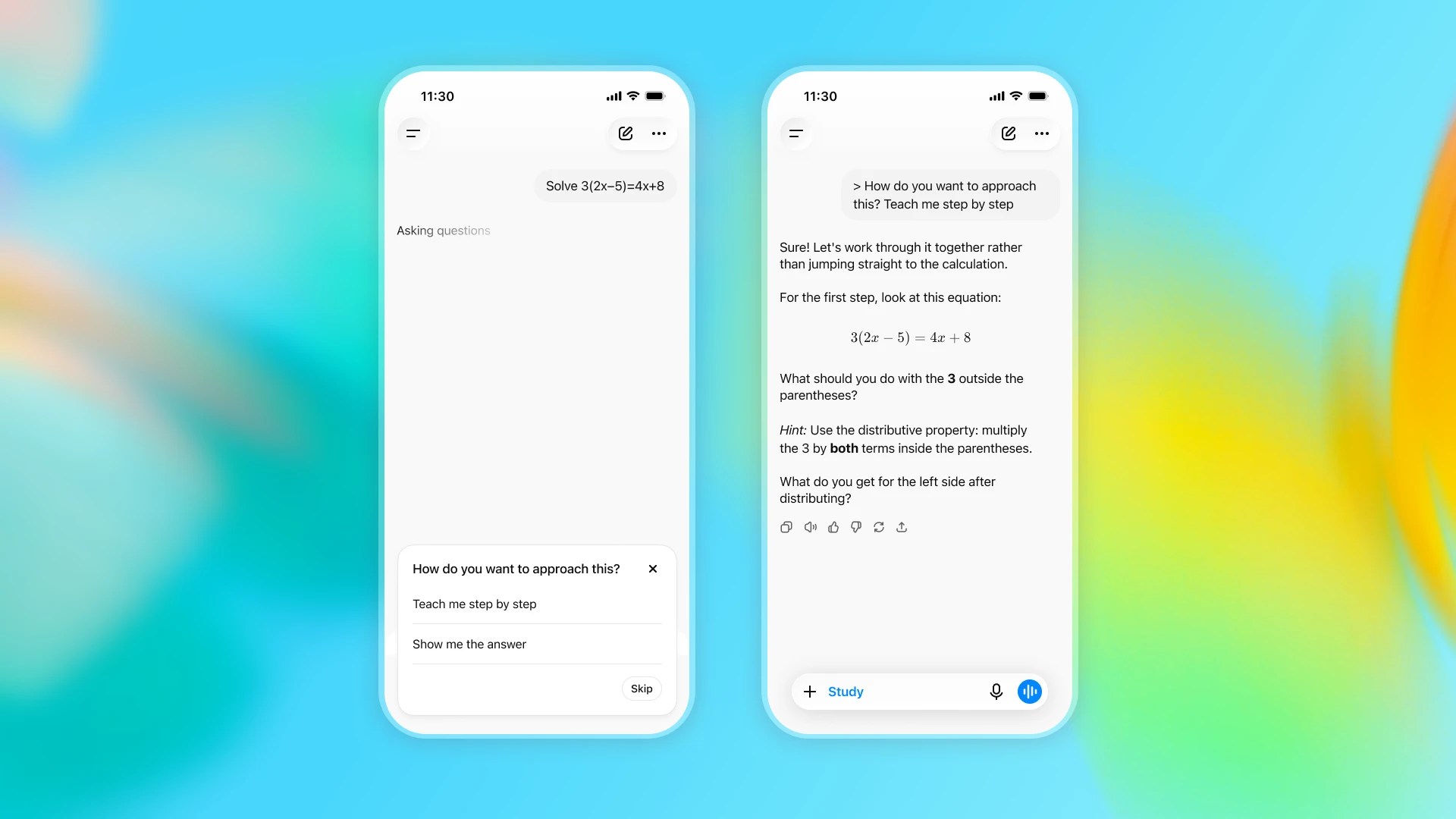
OpenAI rolls out a teen-focused ChatGPT experience
OpenAI has launched ChatGPT for Teens, a version of its chatbot designed with additional protections for younger users. The product adds age-appropriate safety measures, parental or guardian controls, and new learning features intended to reduce harmful interactions and discourage students from using AI simply to generate answers for schoolwork.
The move comes after years of widespread teen use of ChatGPT and amid growing pressure on AI companies to address safety risks for minors. Concerns about chatbot behavior have intensified following lawsuits and public scrutiny tied to mental health harms and inadequate safeguards in conversational AI systems.
Study Mode aims to shift ChatGPT from answer engine to learning tool
A central feature of the teen offering is Study Mode. Instead of immediately producing direct answers, the system is designed to guide users through problems with questions, step-by-step support, quizzes, and visual learning aids. OpenAI is also adding prompts that nudge teens toward learning-oriented use when the system detects behavior that appears aimed at cheating on assignments.
Parents and guardians will also be able to control whether Study Mode is enabled by default. That reflects a broader attempt by OpenAI to position ChatGPT as an educational assistant rather than a shortcut for homework completion.
Safety additions address a long-running gap
The launch highlights how quickly generative AI reached young audiences before teen-specific protections were fully in place. ChatGPT debuted in late 2022 and became a mainstream consumer product long before OpenAI introduced a dedicated experience for teenagers. The new release suggests the company is responding not only to classroom concerns over academic integrity, but also to a wider debate over whether general-purpose AI chatbots should have stronger age-aware product design from the start.
OpenAI's timing is significant. Regulators, schools, and parents have increasingly questioned whether AI developers moved too quickly in making powerful conversational systems broadly available without adequate controls for vulnerable users. A teen-focused product does not resolve those concerns, but it marks a more explicit acknowledgment that younger users need different defaults and protections.
Effectiveness will depend on real-world use
The main unanswered question is whether the new controls will meaningfully change behavior. Teen users are often skilled at bypassing restrictions, and it remains unclear how resistant ChatGPT for Teens will be to workarounds. The effectiveness of Study Mode, homework reminders, and parental settings will likely depend on both technical enforcement and whether teens choose to engage with the system as intended.
Even so, the launch is notable because it shows a leading AI company moving beyond general safety language toward a more segmented product strategy. If OpenAI's approach proves effective, teen-specific safeguards and learning modes could become a standard expectation across consumer AI platforms.