Microsoft Unveils Its First Cybersecurity AI Model Alongside a New Agentic Security System
Microsoft has introduced MAI-Cyber-1-Flash, its first AI model built specifically for cybersecurity, alongside **Perception**, a new agentic security platform. The company says the new offerings are designed to help enterprise security teams detect, prioritize, and remediate vulnerabilities more efficiently.
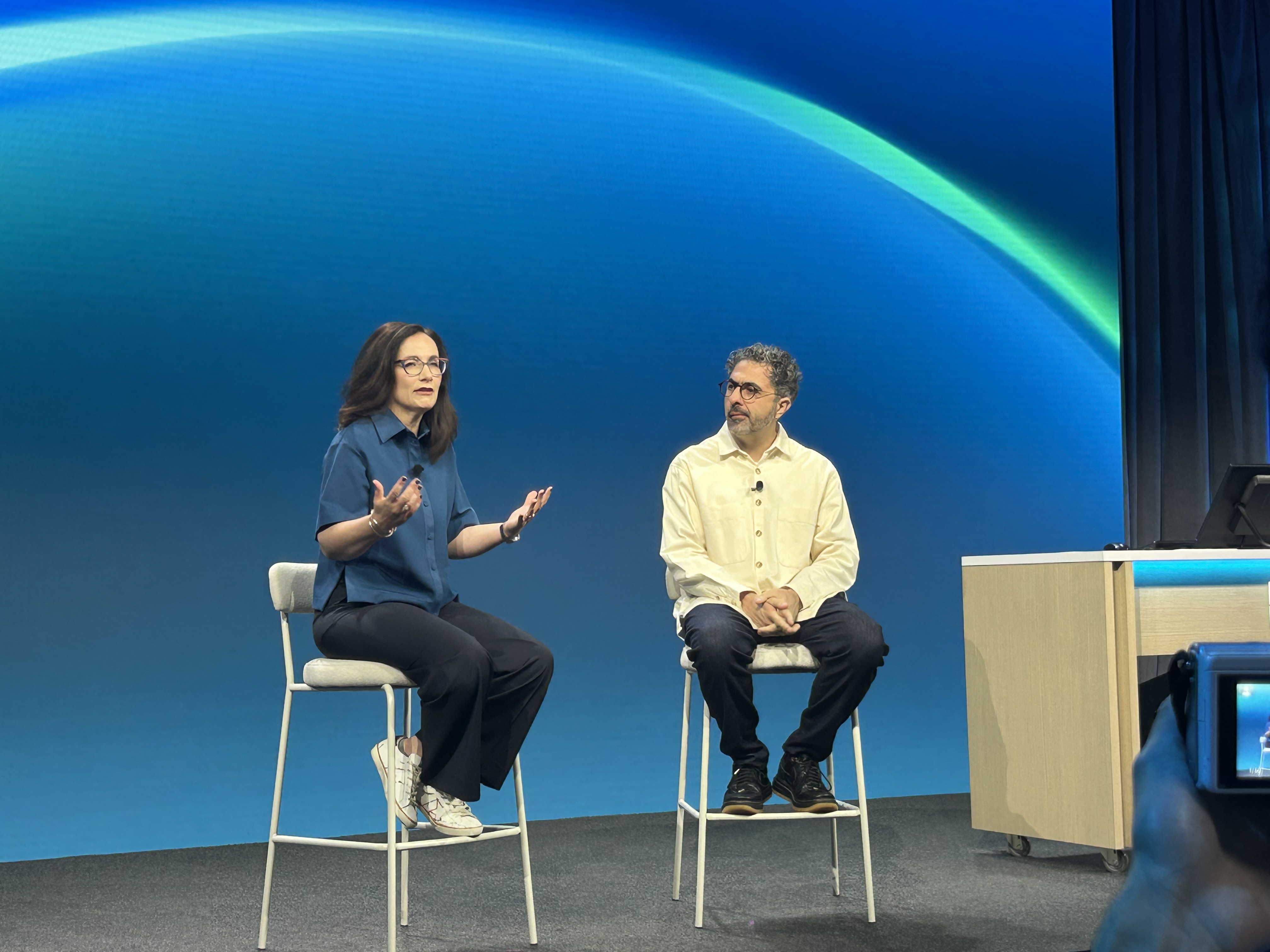
Microsoft on Monday introduced two major additions to its security portfolio at a small event in San Francisco: its first AI model built specifically for cybersecurity and a new agent-based security platform aimed at helping organizations detect and fix threats faster.
The announcement positions Microsoft more aggressively against other leading AI companies competing in the cybersecurity space, including Anthropic, Google, and OpenAI.
Microsoft debuts its first dedicated cybersecurity model
The new model, called MAI-Cyber-1-Flash, is designed to identify difficult vulnerabilities inside large and complex codebases. Microsoft said the model will serve as the engine behind MDASH, the company’s framework for finding software flaws and helping teams remediate them.
According to Microsoft, MAI-Cyber-1-Flash delivers stronger results while also being more cost-efficient than rival models, based on performance in a widely recognized AI cybersecurity benchmark.
“We’re very very excited to announce our results,” said Mustafa Suleyman, co-founder of DeepMind and now CEO of Microsoft AI. He said MAI-Cyber-1-Flash, combined with GPT 5.4 inside the MDASH harness, outperformed Gemini, GPT 5.5 Cyber, GPT 5.6 Sol, and Mythos 5 on Cyber Gym, which he described as the field’s primary benchmark.
Suleyman also said the model is being moved into production immediately.
A new AI security system called Perception
Alongside the model launch, Microsoft unveiled Perception, a new cybersecurity platform built around teams of AI agents. The system is intended to support and automate a range of security tasks, from bug discovery to remediation, and it can work in conjunction with MDASH.
Microsoft framed Perception as a response to a changing threat environment in which attackers are increasingly making use of AI tools in their operations.
Hayete Gallot, Microsoft’s vice president for security, said the platform is meant to help enterprise defenders “defend against AI with AI at the scale and speed that the attackers have.”
How Perception is structured
Perception organizes its work through agentic red teams, blue teams, and green teams, each assigned a distinct role in the security workflow.
Red teams simulate likely attacks, providing detailed scenarios that include possible threat actors and the vulnerabilities they may target.
Blue teams focus on spotting and triaging existing bugs and weaknesses.
Green teams are responsible for taking corrective action to address those issues.
Dave Weston, Perception’s lead engineer, described the platform as a major productivity gain for security teams that typically rely on extensive manual coordination across multiple specialists.
Weston said work that once required hours of effort from application security hunters, remediation engineers, and other experts can now be reduced to minutes. He added that the system not only identifies and prioritizes issues, but also handles detection, posture correction, and even code-level fixes.
Microsoft enters a more crowded AI security race
The launch comes as AI is reshaping both sides of cybersecurity. While companies are using it to strengthen defenses, attackers are also adopting the technology, creating a broader and more complex threat landscape.
Microsoft’s latest offerings are set to enter a rapidly growing market for AI-powered security tools. The company said the new products will be available in preview on November 3.
The competitive pressure is already rising. Earlier this year, Anthropic introduced Mythos, a security platform made available to a limited group of partner organizations through its Glasswing program. OpenAI also rolled out its own security offering in May under a program called Day Break.
With MAI-Cyber-1-Flash and Perception, Microsoft is signaling that it wants a larger role in that contest, pairing a specialized model for vulnerability discovery with an agent-driven platform designed to accelerate the full cycle of detection and responses