Why Cognition Acquired Poke: AI Personality Is Becoming a New Competitive Advantage
AI coding startup Cognition has acquired Poke, an AI assistant designed to feel like chatting with a friend, in a deal that values the company in the low hundreds of millions of dollars. The acquisition will bring Poke’s conversational approach and user interaction model to Devin, highlighting a broader industry shift: the way AI assistants communicate and engage with users is becoming just as important as the underlying models powering them.
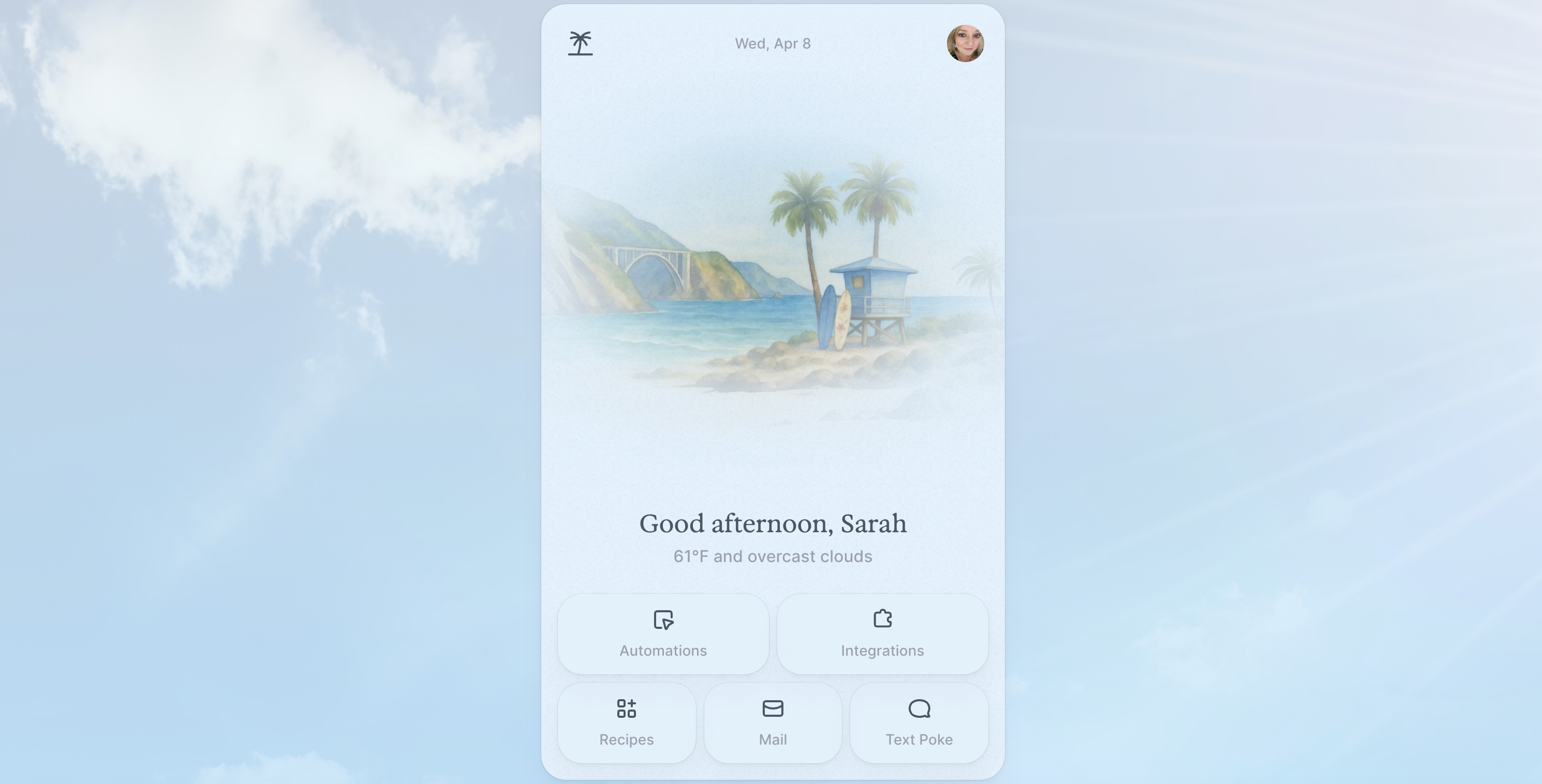
Poke, the consumer AI assistant designed to feel more like texting a friend than operating a software tool, is entering a new chapter. Its creator, The Interaction Company of California, has been acquired by AI coding startup Cognition in a transaction reportedly valued in the low nine figures.
The acquisition is meant to combine the strengths of both companies. Cognition plans to bring Poke’s conversational style and interaction design into Devin, its AI coding assistant. In return, Poke is expected to benefit from Cognition’s underlying models and infrastructure, which should help improve its speed and reliability.
Why Poke attracted attention
Poke has stood out in a crowded AI market because of the way it communicates. Rather than behaving like a conventional assistant that simply executes commands, it interacts in a more casual and human way, often using humor, slang, and a tone that feels familiar.
That user experience is a major reason Cognition saw value in the company. The broader idea behind the deal is that the way an AI behaves may become as important as the model powering it. In other words, personality and interaction quality are increasingly being treated as product advantages, not just cosmetic features.
“You probably prefer it if you have co-workers that have personality, rather than if you have co-workers that are just robots,” Interaction Company co-founder Marvin von Hagen told TechCrunch. “When you have co-workers that are also software engineers, they can also make a joke. And you’ll find it funny and enjoyable.”
For Cognition, that philosophy fits directly into its ambitions for Devin. The company wants its coding assistant to feel less like a rigid utility and more like a collaborator people actually enjoy working with.
“The Interaction team has built an agent that people love: it’s proactive, it knows you, and it’s fun to talk to. That’s exactly how working with Devin should feel, and now we get to build it together,” Cognition co-founder Scott Wu wrote in a blog post.
Wu also noted that he and Cognition co-founder Walden Yan had previously invested in the company behind Poke as angel investors.
How Poke is used today
Poke launched in March 2026 and was built around messaging-first access. Users can talk to the assistant through platforms they already use, including iMessage, SMS, Telegram, and in some regions, WhatsApp.
According to the companies, people turn to Poke for help across a wide range of categories, including travel, health, finance, scheduling, and education. Von Hagen said some of the most common uses have been productivity-related, such as handling reminders, to-do lists, and email management.
The service has already reached meaningful scale. Over the last three months alone, users exchanged more than 100 million messages with Poke, according to Cognition. Still, scale did not automatically translate into an easy business model. Although the product had attracted hundreds of thousands of users, von Hagen said it was costly to operate, making profitability difficult.
Apple platform milestone
Poke also recently achieved a notable platform milestone. In June, it became the first AI agent approved to operate on Apple’s Messages for Business platform, a system that gives businesses a standardized way to communicate with customers inside Apple’s Messages app.
What the acquisition changes
In the short term, users should not expect immediate disruption. Poke is expected to continue operating as it currently does through the end of the year, and the company plans to remain on Apple’s platform.
Longer term, however, both teams intend to explore tighter product integration. Next year, Poke is expected to begin using Cognition’s software engineering model, SWE-1.7, for some tasks. A deeper merger between Poke and Devin has not been ruled out.
That could lead to a more capable system on both sides: Poke could become stronger at coordinating technical workflows, while Devin could become more personable, proactive, and context-aware.
“I think in the long term Poke can be more reliable with orchestrating all these coding [tasks]…and, at the same time, Devin could become more like Poke,” von Hagen said. “Like right now, Devin can only do one PR — pull request — at a time…I think there’s a lot of value in having Poke orchestrate different Devin sessions.”
Von Hagen also suggested that Poke’s design could help Devin maintain continuity across sessions, improving its ability to remember ongoing work and act more like a persistent teammate rather than a one-off tool.
“It would be good to have a persistent co-worker,” he said.
A sign of where AI products are headed
Beyond the deal itself, the acquisition highlights a broader shift in the AI industry. As foundational models become more widely available, companies are increasingly looking for ways to differentiate through product experience. That includes memory, proactivity, tone, and the feeling users get from interacting with an assistant day after day.
Cognition’s purchase of Poke suggests that the next stage of competition in AI may not be defined only by raw intelligence or benchmark performance. It may also depend on whether an assistant feels helpful, familiar, and engaging enough to become a true digital co-worker.