AI data centers could consume one-fifth of U.S. electricity by 2035, new forecast says
A new BloombergNEF forecast says U.S. data center electricity demand could quadruple by 2035 as AI training and inference drive rapid capacity expansion, putting major power grids under growing strain.
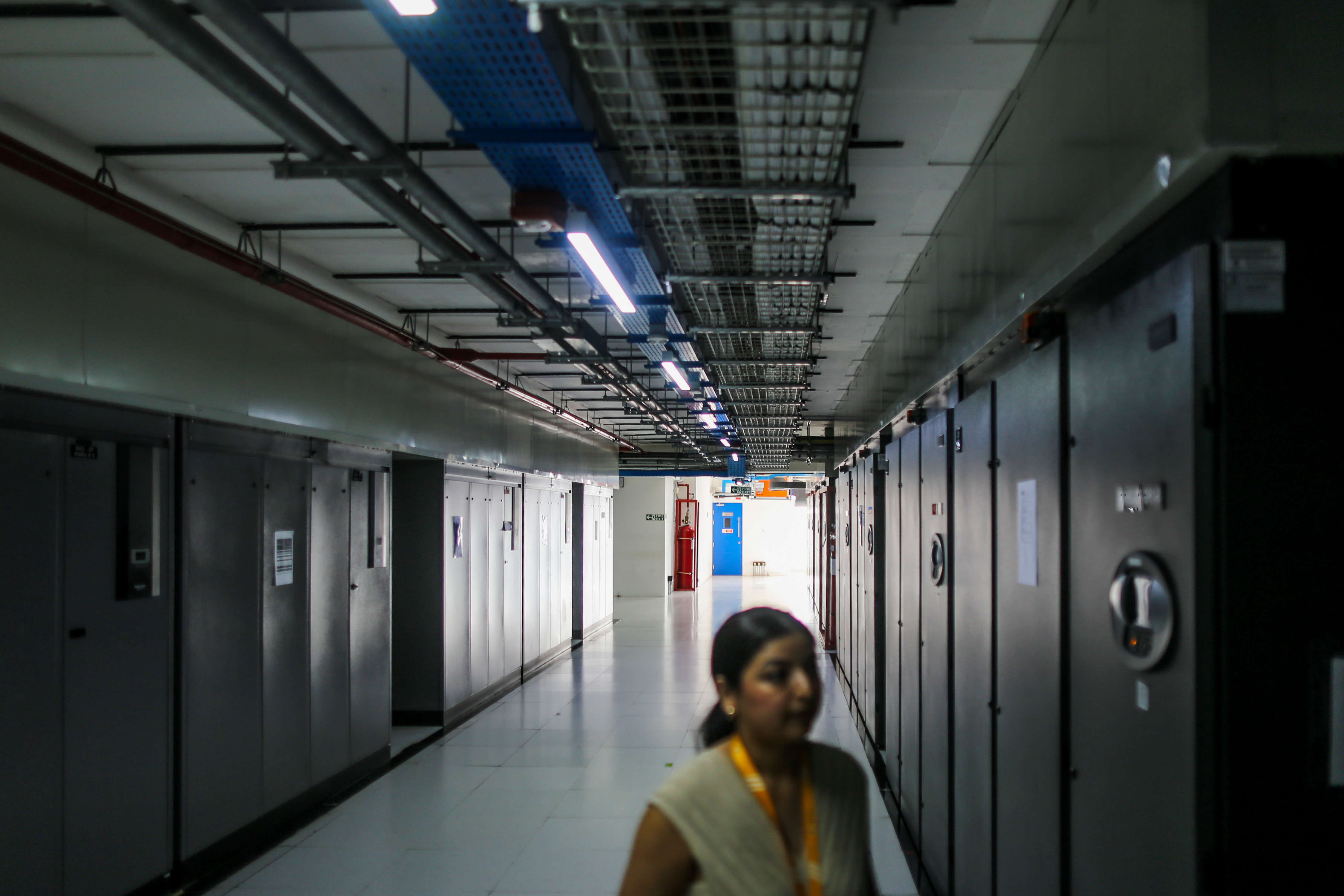
AI demand is reshaping the U.S. power outlook
U.S. data centers could consume about 20% of the country’s electricity by 2035, according to a new BloombergNEF forecast highlighted by TechCrunch. The report projects data center power demand will rise to nearly four times current levels as AI training and inference accelerate new infrastructure buildouts.
BloombergNEF estimates data center capacity will approach 200 gigawatts over the next decade. Nearly half of that capacity is expected to support AI workloads, underscoring how generative AI and large-scale model deployment are becoming major drivers of electricity demand rather than a niche addition to existing cloud infrastructure.
Forecasts are rising fast
The scale of the projected increase is notable not only for its size, but also for how quickly estimates are being revised upward. BloombergNEF’s 2035 demand forecast is reportedly 83% higher than its own estimate from late 2025. Other groups have also raised their expectations, suggesting that utilities, grid operators, and policymakers may have underestimated the speed of data center expansion tied to AI.
If the forecast proves accurate, new data centers built through 2033 could eventually consume as much electricity as India uses today, a comparison that illustrates the sheer scale of the buildout now underway.
Grid pressure is becoming a central tech story
The report points to mounting stress on already constrained U.S. power markets. In the PJM Interconnection region, which stretches from Virginia to Illinois and includes some of the country’s biggest data center hubs, data centers could account for 34% of electricity demand. In ERCOT, the Texas grid operator, the figure could reach 22%.
These numbers matter because the AI boom is no longer just a semiconductor or cloud-computing story. It is increasingly a transmission, generation, and permitting story as well. Large new facilities require reliable power at a pace many regional grids were not designed to accommodate. Interconnection backlogs, delayed generation projects, and local infrastructure bottlenecks could become limiting factors for future AI expansion.
Why this matters for the AI industry
The forecast reinforces a broader shift in the economics of AI: access to power is becoming nearly as strategic as access to chips. The U.S. is expected to remain the dominant market for AI computing capacity, with BloombergNEF projecting that by 2033 the country will host 64% of AI chips by power demand. That concentration could strengthen U.S. leadership in AI infrastructure, but it also raises the stakes for energy planning and grid modernization.
For technology companies, the implication is clear: building the next wave of AI services may depend not only on model efficiency and GPU supply, but also on long-term power contracts, substation access, and proximity to grid capacity. For regulators and utilities, the challenge is balancing economic growth from new data center investment with reliability risks and higher overall system demand.
As AI infrastructure scales, electricity is moving from a background cost to a front-line constraint. That makes power availability one of the most important variables to watch in the next phase of the AI race.