Samsung's New Galaxy Devices Deeply Integrate Gemini AI, Ushering in a New Era of Intelligent Experiences
At its latest Unpacked event, Samsung unveiled a new generation of Galaxy devices with a strong focus on deep integration with Google's Gemini AI. The lineup—including new foldable smartphones, large-screen devices preloaded with Gemini Notebook, and upcoming smart glasses—signals a move toward more seamless, native AI-powered user experiences.
At its latest Samsung Unpacked event, Samsung introduced a refreshed Galaxy lineup that goes beyond hardware upgrades. Alongside new foldable phones, smartwatches, and an early look at future smart glasses, the company put strong emphasis on software—especially its expanding partnership with Google around Gemini AI.
The message from the event was clear: Samsung is positioning artificial intelligence as a built-in part of the Galaxy experience rather than an optional extra. Across phones and wearables, the company is aiming to make AI a more visible and practical layer for everyday tasks, communication, and device-to-device interaction.
Galaxy Z Flip 8 brings faster access to Gemini
One of the notable updates comes with the new Galaxy Z Flip 8, which lets users launch Gemini by pressing and holding the power button. Samsung is framing this as a quicker, more natural way to reach the assistant when handling common digital tasks.
According to the presentation, Gemini is intended to help with activities such as booking concert tickets, ordering food, or organizing travel plans. The idea is to reduce friction and allow users to move from request to action more efficiently.
Google also said Gemini AI will work with more than 40 apps, although it has not yet clarified the full list of supported apps or when the broader rollout will be fully available.
Importantly, Samsung and Google are not presenting the assistant as something that operates entirely out of sight. Users will still be able to monitor what the AI is doing, pause an action in progress, and confirm whether the result matches their intent. That creates a more transparent model in which AI acts as a controllable assistant rather than a hidden automation system.
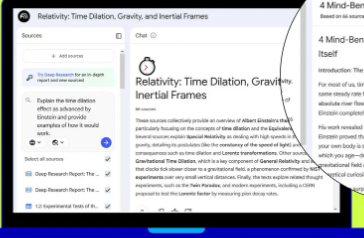
Gemini Notebook arrives preinstalled on Samsung foldables
Samsung and Google are also extending their collaboration through Gemini Notebook, which will come preinstalled on several of the latest foldable devices, including the Galaxy Z Flip 8, Galaxy Z Fold 8, and Galaxy Z Fold 8 Ultra.
The larger displays on these devices are a central part of that experience. With more screen space available, users can more easily drag and drop links, photos, and documents, making mobile productivity feel less constrained than on traditional smartphones.
This approach also strengthens multitasking on foldables, a category Samsung continues to push as a productivity-focused alternative within the premium smartphone market. By combining bigger screens with AI-supported content handling, the company is trying to make foldable devices more useful for both personal and work-related tasks.
Samsung previews smart glasses built around Gemini
Samsung also shared new details about its upcoming smart glasses, a product being developed in collaboration with Google and Qualcomm. Rather than using a traditional display, the glasses are expected to deliver their experience through a combination of cameras, speakers, and microphones.
Based on information disclosed through Google’s blog, the smart glasses will support Gemini AI and are designed to work smoothly with compatible Galaxy watches. That suggests Samsung is looking beyond phones and watches to build a broader wearable ecosystem with new forms of interaction.
The lack of a conventional screen points to a different design philosophy—one that leans on voice, audio, and environmental awareness instead of a standard visual interface. If successful, that could give Samsung a new way to expand the Galaxy platform into everyday wearable computing.
AI is becoming central to the Galaxy identity
From the newest foldables to the smart glasses still on the horizon, Samsung’s latest announcements all point in the same direction: AI is becoming a defining part of the next generation of Galaxy devices.
Through deeper Gemini integration, Samsung is moving AI from the sidelines into the core user experience. The company is applying it across a wide range of scenarios, including communication, task completion, content management, and collaboration between different devices.
That broader shift may be the most important takeaway from the event. Samsung is not only releasing new hardware—it is reshaping the Galaxy ecosystem around AI-native interactions, with Google’s Gemini playing a central role in that transition.