Ollama raises $65 million as local AI tooling gains traction among developers
Open-source AI tool Ollama has raised a $65 million Series B after rapid growth among developers using local and open-weight models. The funding highlights sustained demand for easier ways to run AI models on PCs and manage hybrid workflows that combine local inference with hosted capacity.
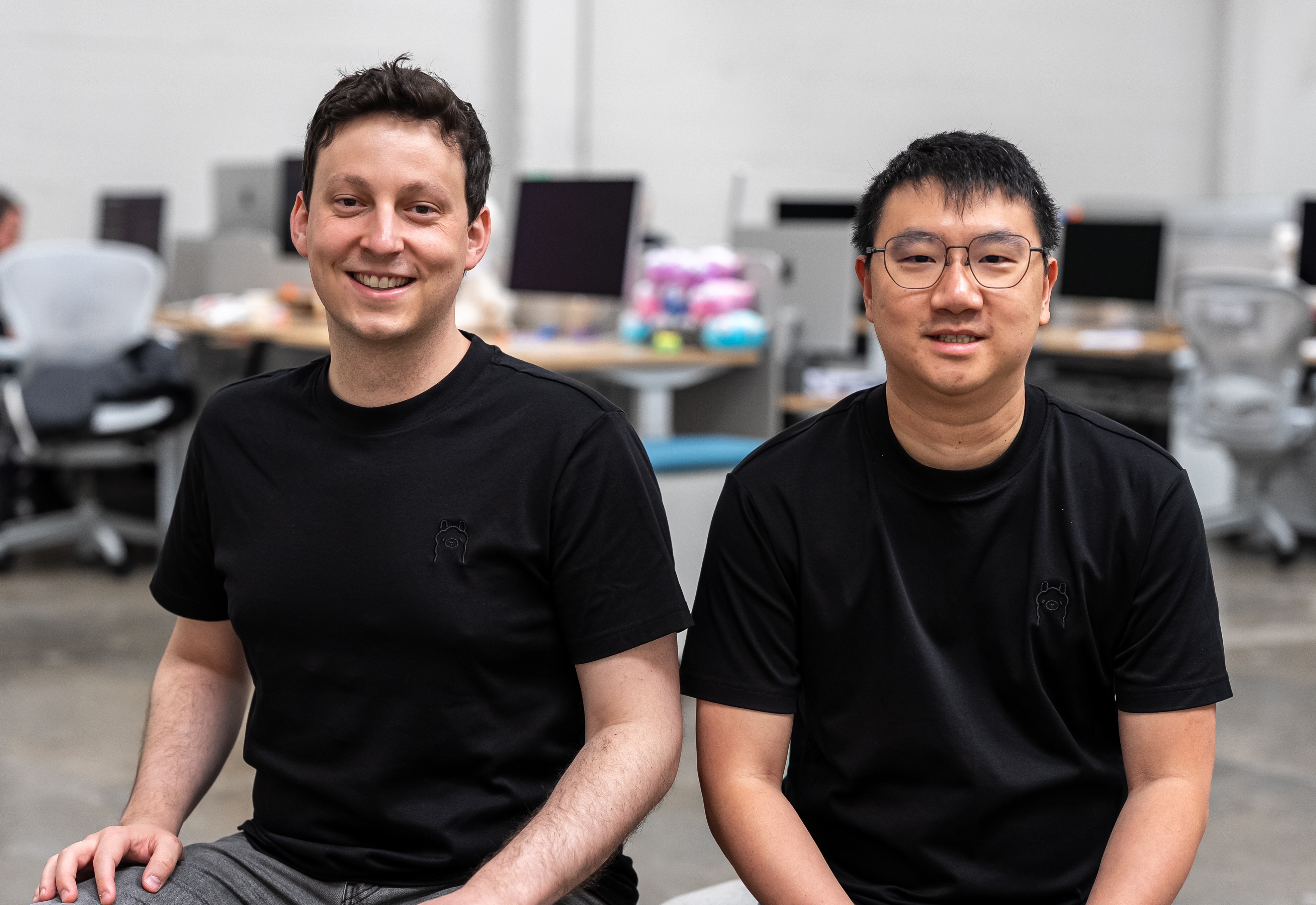
Ollama, the open-source developer tool focused on running AI models locally, has raised a $65 million Series B led by Theory Ventures, according to TechCrunch. The new round follows a previously reported $15 million Series A led by Benchmark, bringing the company’s total funding to $88 million.
Founded in 2023, Ollama has become one of the better-known tools for developers who want to run open-weight models on their own machines without dealing with complex setup and configuration. Its software package simplifies downloading, managing, and launching models on PCs, helping developers experiment with local inference in minutes rather than building custom environments from scratch.
The company’s momentum is notable in both community and commercial terms. TechCrunch reports that Ollama’s GitHub project has reached roughly 176,000 stars and nearly 17,000 forks. CEO Jeff Morgan also said the platform is now used by more than 8.9 million developers each month and is present in 85% of the Fortune 500.
Why the market is paying attention
Ollama sits at the intersection of several durable AI trends: growing interest in open-weight models, demand for local and private inference, and the need for developer tools that hide infrastructure complexity. As more companies test AI applications beyond simple chatbot deployments, tools that let teams run models on laptops, workstations, and enterprise-controlled hardware have become more attractive.
That value proposition has become especially relevant for developers concerned with privacy, latency, offline access, and cost control. Running models locally is not a complete substitute for cloud AI, particularly for larger workloads, but it gives teams a practical way to prototype, evaluate, and ship certain use cases without immediately depending on external API platforms.
Ollama also appears to be pursuing a hybrid business model. In addition to local model execution, the company offers access to larger hosted models through what it calls neocloud, with subscription tiers ranging from free to $100 per month. Usage is measured by GPU time rather than tokens, a pricing approach that differs from many mainstream AI API providers.
Strong founder-product fit
Investors are also betting on the team behind the product. Morgan and co-founder Michael Chiang previously worked on Docker Desktop after Docker acquired their earlier startup, Kitematic. That background matters because Ollama’s appeal resembles Docker’s original promise for cloud-native software: package away painful setup and make advanced infrastructure usable for mainstream developers.
In practical terms, Ollama is trying to do for AI models what Docker did for containers—turn a difficult, fragmented setup process into a simpler developer workflow. That analogy likely helps explain why investors see the company as more than a niche open-source project.
A broader signal for AI infrastructure
The funding round is another sign that investor interest in AI infrastructure has not narrowed only to foundation model makers and large cloud platforms. Developer tooling remains a meaningful category, especially when a product gains grassroots adoption first and monetization options later.
Ollama’s growth suggests that the market for AI development is still expanding beyond centralized APIs. Even as frontier models remain expensive and cloud-heavy, there is clear appetite for software that makes open models practical on everyday hardware. If that trend continues, local AI tooling could become a standard part of the software development stack rather than a specialist workflow for enthusiasts.
For an industry still searching for durable AI platforms, Ollama’s latest round shows investors believe the picks-and-shovels layer of the market still has room to grow.