Microsoft Shifts More AI Workloads to In-House Models as Cost Pressures Rise
Microsoft is reportedly routing some Office AI tasks to its own MAI models instead of relying as heavily on OpenAI and Anthropic, reflecting a broader industry push to reduce the soaring cost of AI services.
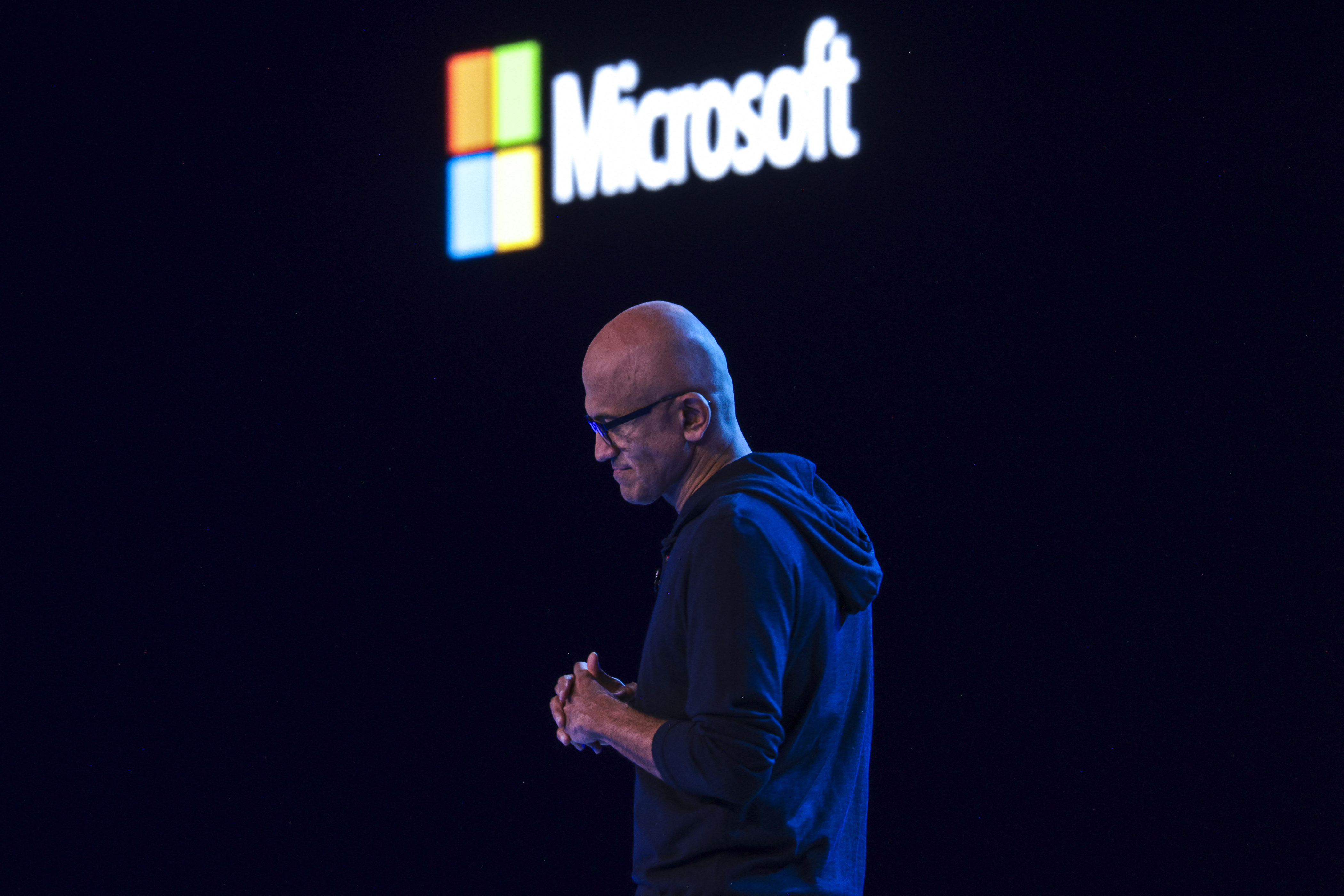
Microsoft is reportedly increasing its use of internally developed AI models for some workloads in products such as Word and Excel, a move that signals how seriously major tech companies are responding to the high cost of deploying generative AI at scale.
According to the report, Microsoft has begun using its in-house MAI models to handle a portion of user prompts in Office applications. The company still works with external model providers including OpenAI and Anthropic, but the shift suggests it is trying to lower inference costs and gain more control over performance, pricing, and product integration.
Cost control is becoming a strategic AI priority
The reported change fits a broader pattern across the technology industry. After a period in which companies raced to add more AI features and consume more model capacity, executives are increasingly focused on the economics of serving those features to millions of users. Running large AI models remains expensive, especially in high-volume enterprise software where even small cost differences can have major financial impact.
For Microsoft, that pressure is particularly relevant. The company has embedded AI across its productivity stack and cloud offerings, making model costs a direct business concern rather than just a research expense. Shifting selected workloads to proprietary models could help Microsoft optimize for common Office tasks while reducing dependence on third-party providers.
Why this matters beyond Microsoft
This is not just a Microsoft story. It points to a maturing phase in the AI market, where the key competitive question is no longer simply who has access to the most advanced models. It is also about who can deliver useful AI features sustainably and profitably.
Large platforms such as Amazon, Meta, Uber, and Accenture have also been linked to efforts to rein in AI spending. As infrastructure and inference bills climb, companies are rethinking whether every use case needs the most powerful external model available. In many cases, smaller or specialized in-house systems may be good enough for routine tasks at a much lower cost.
Implications for the AI ecosystem
Microsoft's reported strategy highlights a growing tension in the AI industry. Model leaders benefit when customers buy more external capacity, but major platform companies have strong incentives to build their own alternatives once usage scales. That dynamic could reshape partnerships, pricing, and the balance of power between frontier model labs and the software companies that distribute AI to end users.
Microsoft recently introduced new MAI models at Build, including systems aimed at coding and image generation, indicating that its internal model program is expanding beyond experimentation. If the company continues to move production workloads onto those models, it could become a case study in how hyperscalers reduce AI costs without pulling back from AI products themselves.
The broader takeaway is clear: the next stage of the AI race may be defined less by maximum model capability and more by operational efficiency. For the biggest tech companies, owning more of the AI stack is starting to look like both a product strategy and a financial necessity.