China’s AI Maps Entire Renewable Energy Grid, Revealing Path to Smarter Power Systems
A new Nature study by Peking University and Alibaba DAMO Academy uses deep learning and satellite imagery to catalog nearly 412,000 wind and solar sites across China, demonstrating how AI-driven grid mapping can optimize renewable energy coordination at a national scale.
The AI Energy Bottleneck
As artificial intelligence workloads scale globally, power grids are facing unprecedented strain. In major markets like the United States, capacity prices have surged as legacy infrastructure struggles to keep pace with data center demand. Against this backdrop, a breakthrough study published in Nature offers a compelling solution: leveraging AI not just to consume power, but to intelligently map and manage renewable energy infrastructure at a national level.
Mapping 400,000 Sites from Space
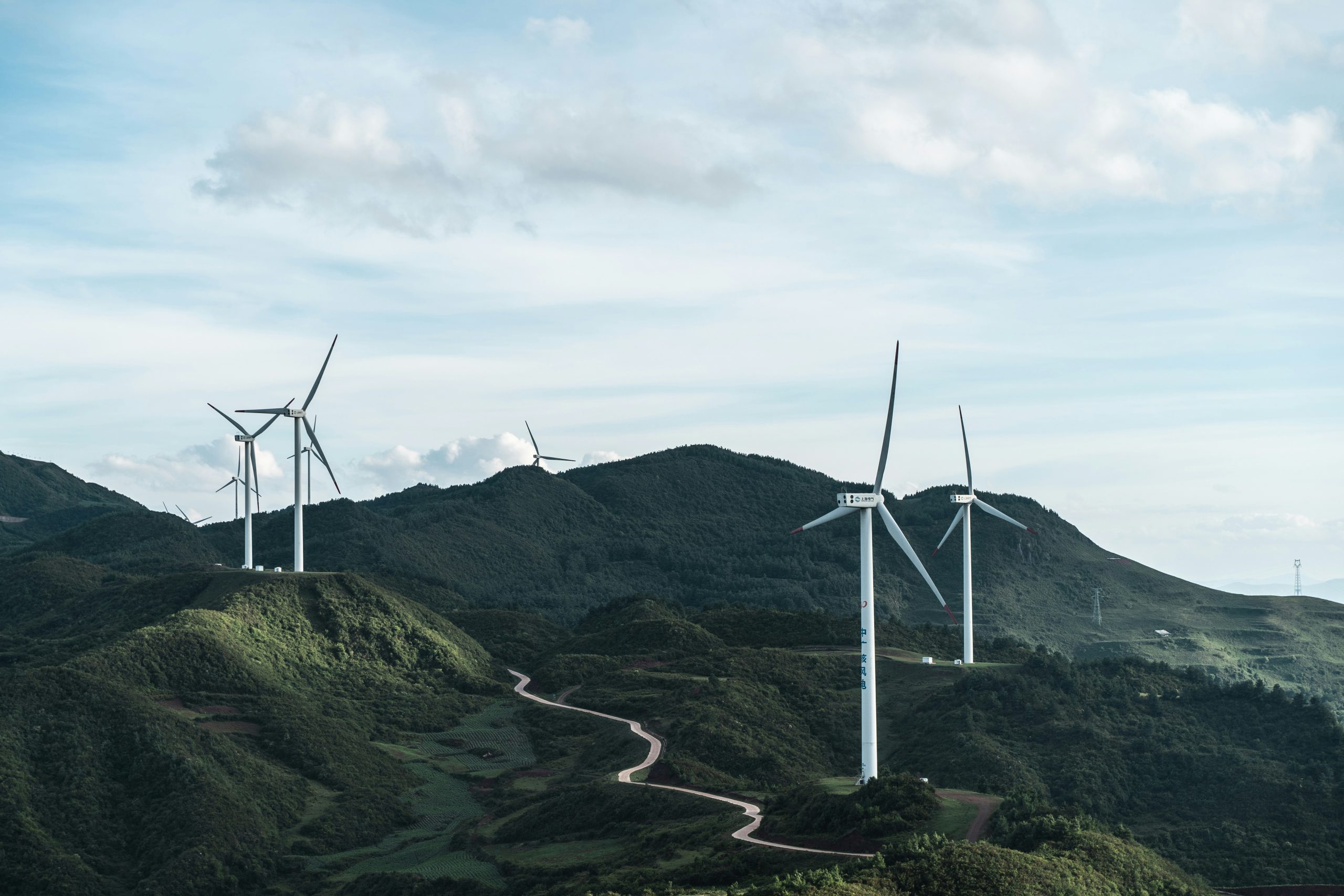
Researchers from Peking University and Alibaba Group’s DAMO Academy have successfully created the first high-resolution, AI-generated inventory of an entire nation’s renewable energy footprint. By training a deep-learning model on 7.56 terabytes of sub-meter satellite imagery, the team identified and cataloged 319,972 solar photovoltaic facilities and 91,609 wind turbines across China. This represents a scale of infrastructure mapping that no other country has yet achieved, providing a granular, real-world dataset that moves beyond theoretical deployment models.
The Power of Solar-Wind Complementarity
One of the study’s most significant findings revolves around solar-wind complementarity—the natural balancing effect that occurs when solar and wind generation are coordinated across different geographies and timeframes. The researchers demonstrated that pairing these resources substantially reduces overall generation variability. Crucially, the effectiveness of this balancing act scales with geographic distance. For instance, cloud cover over solar installations in Gansu province rarely impacts wind corridors in Inner Mongolia, allowing grid operators to maintain stable output by routing power across regions.
From Provincial Silos to National Coordination
Despite China’s massive renewable capacity, the study highlights a structural inefficiency: grid coordination remains largely fragmented at the provincial level. This siloed approach prevents the full realization of solar-wind complementarity and leads to curtailment, where excess renewable energy is wasted due to local grid constraints. The AI-generated map provides the foundational data layer needed to transition toward a unified, nationally coordinated grid architecture, optimizing dispatch and reducing reliance on fossil-fuel peaker plants.
A Blueprint for Global Grids
The implications extend far beyond China’s borders. As nations race to decarbonize while simultaneously powering AI-driven industries, the ability to accurately map, monitor, and dynamically balance distributed renewable assets will become a critical competitive advantage. The methodology pioneered by this research team offers a replicable framework for other countries seeking to modernize their energy infrastructure. By combining satellite remote sensing with advanced machine learning, grid operators worldwide can move from reactive management to predictive, AI-optimized energy distribution.