Tech Titans Lobby Trump to Scrap Voluntary AI Executive Order
Direct lobbying from Elon Musk, Mark Zuckerberg, and David Sacks reportedly led President Trump to halt a planned AI executive order, sparking debate over industry influence on US AI policy.
The Sudden Cancellation
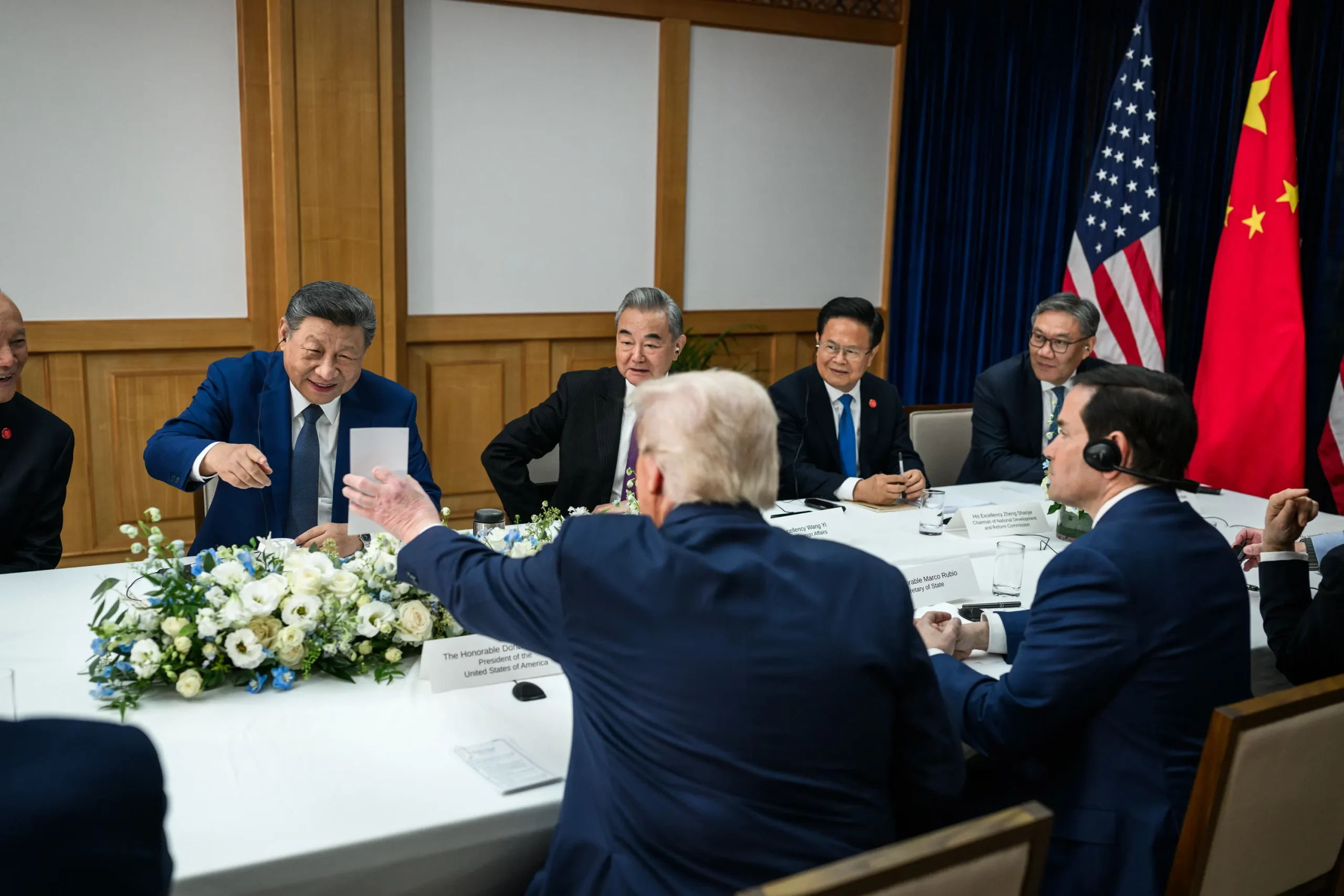
A planned White House ceremony for a new artificial intelligence executive order was abruptly canceled this week, marking a significant shift in the US government's approach to AI governance. President Donald Trump announced the decision to scrap the order, citing concerns that regulatory measures could undermine America's competitive advantage against China. "We're leading China, we're leading everybody, and I don't want to do anything that's going to get in the way of that lead," Trump stated during a press briefing.
Behind the Scenes: The Tech Lobbying Push
While the official reasoning centered on geopolitical competition, reports indicate the decision was heavily influenced by direct appeals from some of the most powerful figures in the technology sector. According to initial reporting, Elon Musk, Meta CEO Mark Zuckerberg, and venture capitalist David Sacks all contacted the White House directly between Wednesday night and Thursday morning. Their coordinated lobbying effort successfully targeted the administration's accelerationist faction, including officials at the National Economic Council and the Vice President's office.
What Was Actually in the Order?
Contrary to fears of heavy-handed regulation, the scrapped executive order was notably light-touch. It proposed a voluntary framework requiring AI developers to engage with federal agencies and submit advanced models for security review up to 90 days before public release. The proposal explicitly avoided mandatory licensing regimes or forced development hold periods. Despite its voluntary nature, industry leaders apparently viewed even this level of transparency as a potential bottleneck. Trump echoed this sentiment, noting he postponed the order because he "didn't like certain aspects of it" and worried it "could have been a blocker" for American innovation.
Implications for US AI Policy
The cancellation leaves a notable vacuum in federal AI oversight and raises pressing questions about who ultimately shapes US technology policy. With even voluntary security reviews deemed unacceptable by top tech executives, the administration appears to be prioritizing unfettered development speed over structured risk assessment. As the US races to maintain its lead in artificial intelligence, the balance between rapid innovation and responsible governance remains a critical, unresolved challenge. The tech industry's successful intervention signals that future AI policy will likely be driven more by corporate lobbying than by independent regulatory frameworks.