Is xAI Becoming a ‘Neocloud’ Provider?
A major compute deal with Anthropic suggests Elon Musk’s xAI may be pivoting from building frontier models to monetizing large-scale data center infrastructure.
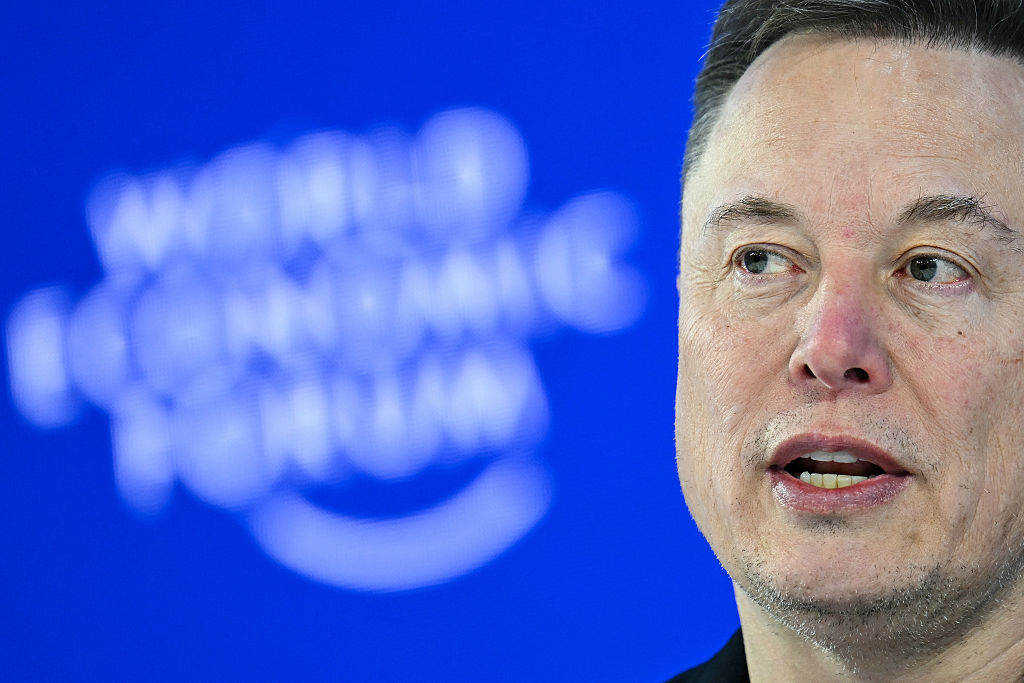
xAI, Elon Musk’s artificial intelligence venture, may be signaling a strategic shift that goes beyond training large language models. This week, the company announced a surprise partnership with Anthropic in which the Claude maker will purchase the full compute capacity of xAI’s Colossus 1 data center — roughly 300 megawatts of power. The deal reportedly runs into the billions of dollars and effectively turns xAI from a consumer of compute into a supplier.
From Model Builder to Compute Provider
The agreement comes as xAI transitions its own training workloads to a newer facility, Colossus 2. According to Musk, the company no longer needed both data centers for internal model development. Rather than leave excess capacity idle, xAI monetized it immediately by leasing it to Anthropic, which can now expand Claude’s usage limits.
In the short term, the logic is straightforward. xAI’s flagship chatbot, Grok, has struggled to maintain momentum following earlier controversies and declining engagement. Meanwhile, the company has invested heavily in large-scale infrastructure. If compute supply outpaces internal demand, selling that surplus provides a powerful revenue stream — particularly as xAI, now combined with SpaceX, reportedly moves closer to an IPO.
The Rise of the “Neocloud”
The move places xAI in a category increasingly described as the “neocloud” — companies that specialize in building and operating AI-optimized data centers rather than solely developing foundation models. Unlike traditional cloud hyperscalers, neocloud providers focus on high-density GPU clusters tailored for AI workloads.
What makes xAI’s shift notable is that it joins a small club of frontier-model developers willing to sell significant compute capacity externally. Companies like Google and Meta also build vast AI infrastructure, but they typically prioritize internal model development over external leasing when resources are constrained.
By contrast, xAI’s decision suggests infrastructure may be as central to its strategy as model innovation. The Anthropic partnership demonstrates that its data center assets are valuable enough to stand alone as a business line.
Strategic Implications
The deal also carries broader signals. First, it strengthens Anthropic’s position in the ongoing AI compute race by securing dedicated capacity at scale. Second, it validates xAI’s rapid infrastructure buildout, including its ambitious long-term plans that reportedly extend to orbital data centers via SpaceX.
If xAI can consistently attract major AI labs as customers, it may reduce its reliance on Grok’s consumer traction and position itself as a hybrid AI-and-infrastructure company. In that scenario, training cutting-edge models becomes only one part of a larger compute-driven strategy.
A New Competitive Dynamic
The partnership underscores a maturing AI ecosystem where companies increasingly specialize: some build models, some build applications, and others build the infrastructure powering both. xAI now appears to be straddling those layers.
Whether this marks a permanent pivot or a tactical monetization of surplus capacity remains to be seen. But one thing is clear: in the AI race, owning massive, energy-intensive data centers may prove just as strategic as owning the best model weights.