Especial del domingo: Científicos descubren un antiguo pulpo similar al Kraken
Los científicos han confirmado la existencia de un antiguo pulpo de 61 pies que podría haber superado en tamaño al calamar gigante actual. El Science Sunday de esta semana también destaca un avance en terapia génica para la sordera, nuevos compuestos orgánicos encontrados en Marte y el primer ‘Earthset’ jamás registrado desde la Luna.

Un aterrador monstruo marino de la leyenda nórdica puede haber estado más cerca de la realidad de lo que se creía anteriormente. El resumen de Science Sunday de esta semana explora un pulpo recientemente confirmado similar al Kraken del período Cretácico, junto con importantes avances en terapia génica, exploración de Marte y fotografía espacial.
1. Un antiguo pulpo similar al Kraken pudo haber superado en tamaño al calamar gigante actual
Los científicos han confirmado que Nanaimoteuthis haggarti, un pulpo con aletas que habitó los mares entre hace 86 y 72 millones de años, alcanzaba hasta 61 pies de longitud, más grande que un autobús escolar y mayor que cualquier invertebrado conocido en la actualidad.
Esta enorme criatura vivió durante el período Cretácico y podría cambiar nuestra comprensión de los ecosistemas marinos antiguos. Los investigadores afirman que el descubrimiento sugiere que los invertebrados gigantes dominaron en su momento las cadenas alimentarias oceánicas, posiblemente rivalizando con los grandes reptiles marinos de la época.
2. La FDA aprueba la primera terapia génica que restaura la audición
Una innovadora terapia génica llamada Otarmeni ha recibido la aprobación de la FDA para tratar a niños nacidos con sordera por otoferlina, una rara afección genética causada por un único gen defectuoso que impide que el oído interno transmita señales sonoras al cerebro.
En los ensayos clínicos:
- El 80% de los pacientes tratados pudieron oír sin implantes.
- Aproximadamente el 30% logró una audición completamente normal.
La aprobación podría abrir la puerta al tratamiento de más de 150 causas genéticas conocidas de pérdida auditiva.
3. La evidencia química más sólida hasta ahora de que Marte pudo haber albergado vida
El rover Curiosity de la NASA ha identificado siete compuestos orgánicos diversos en una roca del lecho de un antiguo lago ubicada en el cráter Gale en Marte. Cinco de estos compuestos nunca antes habían sido detectados en el planeta.
Aunque el descubrimiento no confirma que haya existido vida en Marte, refuerza la idea de que el Planeta Rojo alguna vez tuvo los ingredientes químicos necesarios para la vida. Los científicos afirman que traer muestras de rocas marcianas a la Tierra puede ser la única forma de responder definitivamente a la pregunta.
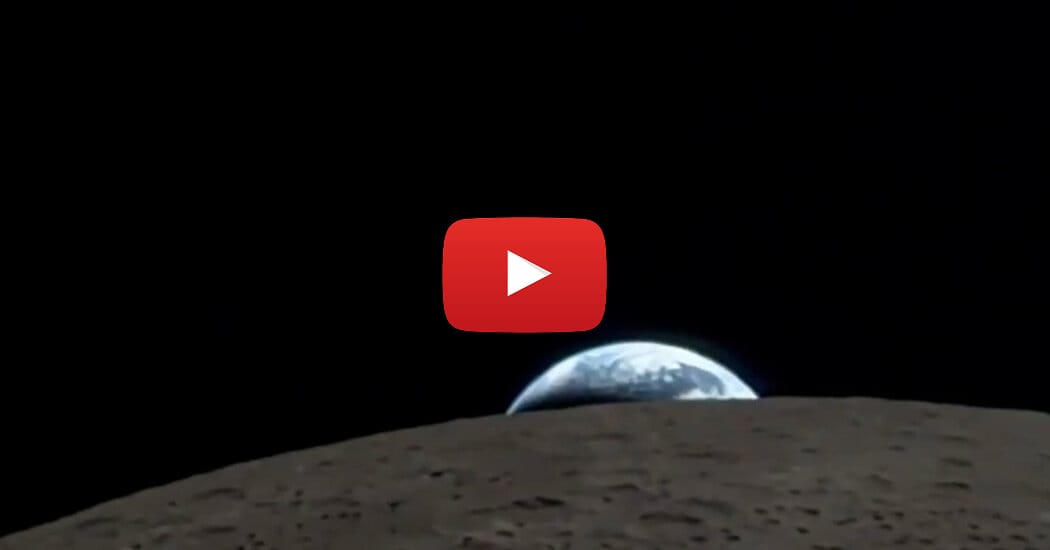
4. Astronautas capturan el primer video de un ‘Earthset’
El astronauta de Artemis II Reid Wiseman ha publicado el primer video grabado de un ‘Earthset’, un fenómeno en el que la Tierra parece ponerse detrás del horizonte de la Luna.
Las imágenes muestran a la Tierra como una pequeña esfera azul y blanca que desaparece lentamente detrás de la superficie gris de la Luna sobre el fondo negro del espacio. El video ha superado los 11 millones de visualizaciones y está siendo aclamado como una secuela moderna de la icónica fotografía “Earthrise” del Apolo 8 de 1968.