GRAI cree que la IA puede hacer que la música sea más social, no reemplazar a los artistas
La startup de música con IA GRAI afirma que la mayoría de las personas no quieren generar canciones desde cero con IA — quieren remezclar y compartir música con amigos. Respaldada por 9 millones de dólares en financiación inicial, la empresa está creando aplicaciones sociales que permiten a los fans interactuar con las canciones mientras dan a los artistas control sobre cómo se utiliza su música.

Las startups actuales de música con IA, como Suno y Udio, ofrecen tecnología que aprovecha la IA para la generación musical. Pero una nueva empresa, GRAI, cree que la mayoría de las personas no quieren usar la IA para generar música desde cero — prefieren remezclar canciones, compartirlas con amigos o experimentar con pistas cambiando el estilo de una canción por diversión.
El laboratorio musical GRAI, ahora respaldado por una ronda semilla de 9 millones de dólares, busca poner el control en manos de los artistas mientras utiliza la IA para transformar la forma en que los consumidores interactúan con la música. La empresa fue creada por fundadores bielorrusos que anteriormente vendieron su aplicación de creación de video VOCHI a Pinterest, y ahora está experimentando con nuevos productos musicales basados en IA.
Remezclar en lugar de generar
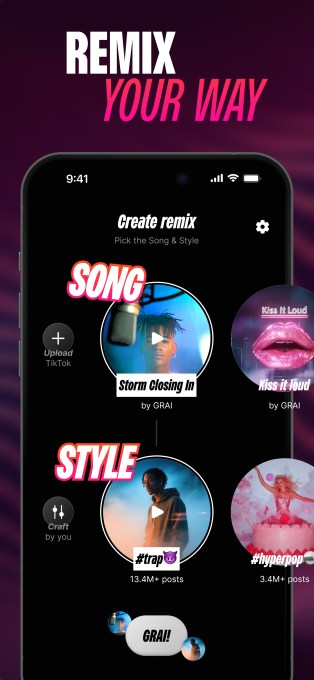
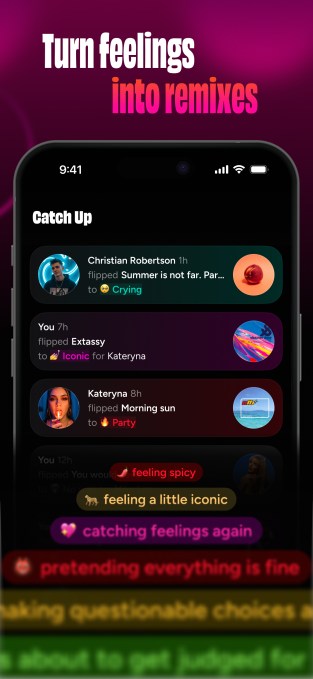
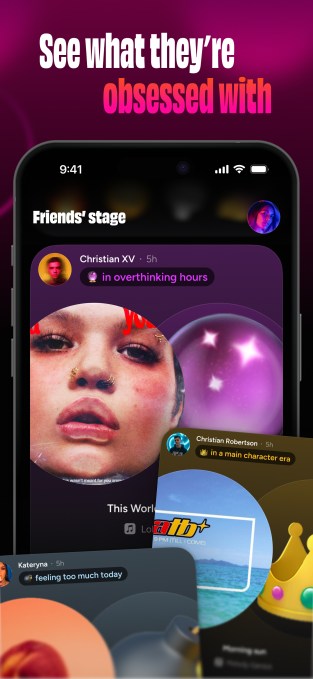
Los primeros productos de GRAI incluyen la aplicación de remezclas Music with Friends para iOS y un laboratorio musical con IA para Android. Estas aplicaciones están diseñadas para ayudar a la empresa a comprender cómo los consumidores quieren interactuar con la música más allá de la creación habilitada por IA o la escucha pasiva.
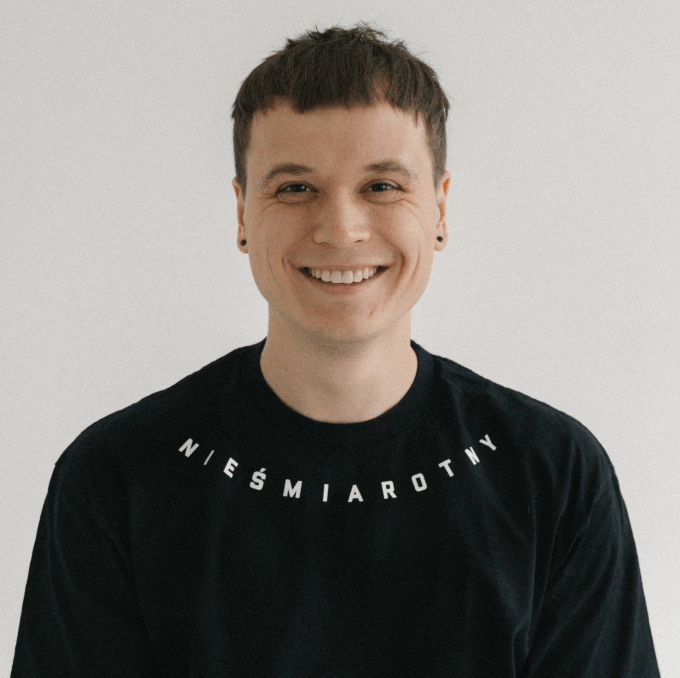
“La idea sobre la que estamos construyendo la empresa es cuál puede ser el próximo paso en la interacción y el consumo de música con IA”, dijo el cofundador y CEO de GRAI, Ilya Liasun, quien tiene su base en Polonia junto con gran parte del equipo.
Liasun sostiene que la música es una de las últimas grandes categorías de consumo que no se ha vuelto “centrada en el creador”.
“Tenemos problemas — el descubrimiento no funciona, la escucha es pasiva y el contexto social es casi inexistente”, afirmó Liasun.
En lugar de reemplazar a los artistas y a los sellos discográficos, como temen algunos críticos que podría hacer la IA, GRAI cree que la IA puede desbloquear nuevas formas de interacción con la música.
Apuntando a la Generación Z y la Generación Alfa
La empresa dirige sus productos a usuarios de la Generación Z y la Generación Alfa que descubren música a través de la cultura — incluyendo amigos, fandoms y plataformas de video de formato corto como TikTok. Según Liasun, estos usuarios no necesariamente quieren convertirse en productores musicales; simplemente quieren participar.
Para impulsar sus aplicaciones sociales, GRAI ha desarrollado su propio gráfico de gustos y participación, junto con infraestructura propietaria. La empresa está construyendo una “tubería de derivados” y sistemas de audio en tiempo real diseñados para preservar la identidad de las pistas originales mientras permite transformarlas.
El objetivo, dijo Liasun, es trabajar directamente con artistas y sellos para garantizar que esta actividad sea legal y beneficiosa.
“No queremos compartir nuevo contenido genAI de baja calidad con los servicios de streaming. En realidad nos enfocamos en la parte de la interacción”, dijo.
Control del artista y regalías
Dentro de las aplicaciones de GRAI, los usuarios pueden jugar con las pistas remezclando una canción favorita o cambiando su estilo. Las pistas modificadas podrían potencialmente crear una nueva fuente de pagos de regalías para artistas y sellos.
En lugar de lanzar primero y buscar permiso después, GRAI afirma que está hablando con los sellos desde el principio.
“La idea principal aquí es que queremos construir un sistema futuro en el que los artistas tengan la capacidad de optar por participar o no participar”, dijo Liasun. “Primero, pedir permiso a los propietarios y luego integrarlo”.
Liasun se negó a revelar si la empresa ya tiene acuerdos vigentes o con qué compañías.
Si la participación basada en remezclas despega, GRAI cree que podría ayudar a los oyentes a descubrir nuevos artistas y canciones fuera de las grandes plataformas como Reels, TikTok o YouTube. Con sus aplicaciones iniciales, la empresa está buscando retroalimentación de los consumidores — incluyendo comentarios negativos — para perfeccionar lo que funciona.
Financiación y fundadores
GRAI fue cofundada por el CTO Dima Kamarouski y el presidente Andrei Avsievich. La empresa ha recaudado 9 millones de dólares en financiación semilla en una ronda codirigida por Khosla Ventures e Inovo VC.
Otros inversores incluyen Tensor Ventures, Tiny.VC, Flyer One Ventures, a16z Scout Fund y ángeles como Andrew Zhai (ML en Cursor, cofundador de Genova Labs, ex-Pinterest); Greg Tkachenko (fundador de Unreal Labs, ex-Snap); Rob Reid (fundador de Rhapsody); y Dima Shvets (de MirAI y Reface).