Uber's $10B robotaxi pivot
Uber is committing more than $10 billion to secure autonomous vehicle fleets and invest in their manufacturers as it competes with Waymo, Tesla, and Amazon-backed rivals. The move signals a major strategic shift as the company fights to remain central in a driverless ride-hailing future.
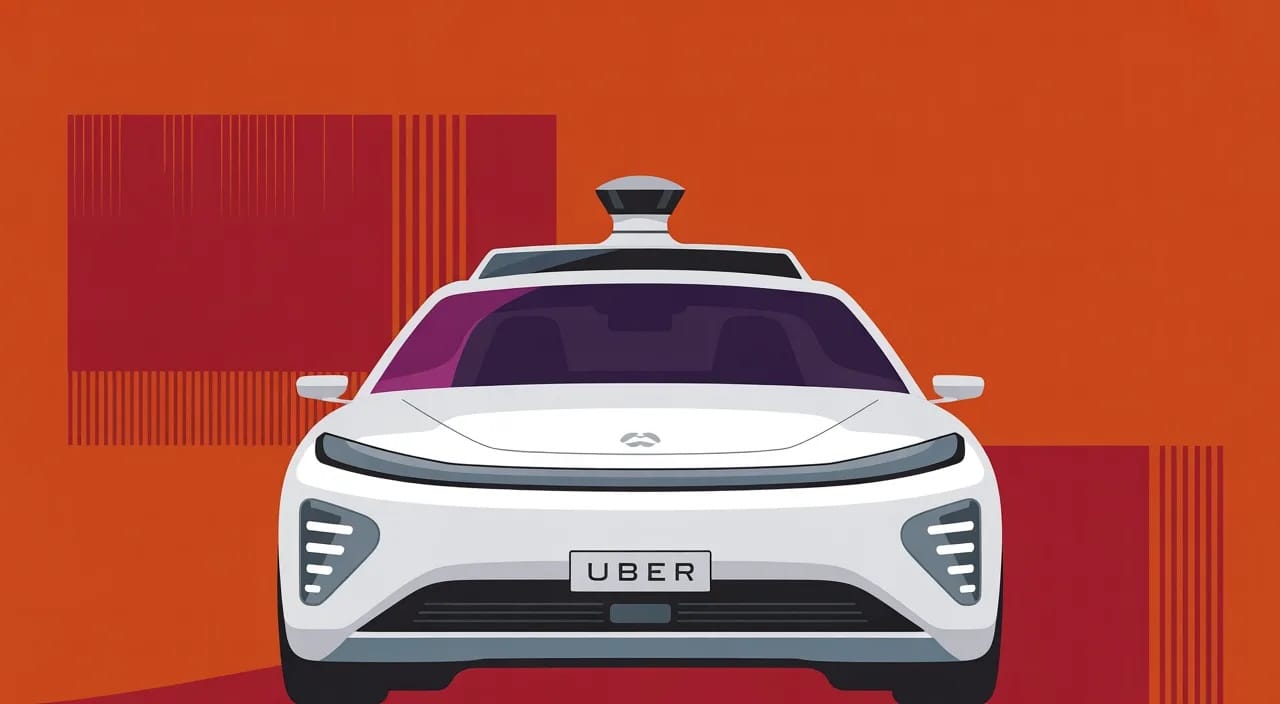
Uber is making one of the biggest bets in its history, earmarking more than $10 billion to secure autonomous electric vehicle fleets and invest directly in their manufacturers. As Waymo scales commercial robotaxis and Tesla and Amazon-backed rivals accelerate their own efforts, Uber is moving aggressively to ensure it remains central in a driverless future.
The ride-hailing giant is pouring billions into hardware it does not control, seeking to avoid becoming merely a software layer on someone else’s autonomous platform.
A $10 Billion Commitment to Autonomy
According to a report from the Financial Times, Uber plans to spend:
- Over $7.5 billion purchasing dedicated robotaxi fleets.
- More than $2.5 billion taking equity stakes in autonomous vehicle developers.
This dual strategy gives Uber both guaranteed access to vehicles and financial exposure to the companies building the underlying autonomous systems.
Building a Global AV Marketplace
Rather than developing its own end-to-end autonomous stack, Uber is assembling a marketplace of partners across regions and vehicle platforms. Current collaborations include:
- Baidu in China.
- Electric vehicle makers Lucid and Rivian.
The most concrete agreement so far is with Lucid. Uber has committed to a combined $500 million equity investment and plans to purchase at least 35,000 Lucid vehicles for its autonomous fleet.
Scaling to 28 Cities by 2028
Uber plans to roll out robotaxis in 28 cities by 2028, working with partners such as Nuro. To support this expansion, the company has established:
- An Uber AV Labs unit focused on autonomous integration.
- Dedicated fast-charging hubs to support high-utilization EV fleets.
Why This Pivot Matters
Alphabet’s Waymo is already scaling commercial robotaxi services in multiple U.S. cities, while Tesla is pushing its vertically integrated “Cybercab” vision. Meanwhile, Amazon-backed competitors are also positioning themselves in the autonomous mobility space.
Uber’s challenge is structural: it operates the world’s largest ride-hailing marketplace but does not control the hardware or core autonomous technology. By investing heavily in fleets and manufacturers, Uber aims to secure supply and influence without building its own full-stack AV system.
The success of this strategy will determine whether Uber remains the central platform for urban mobility — or risks becoming a secondary layer in an ecosystem dominated by vertically integrated autonomous vehicle makers.