Apple sues OpenAI over alleged trade secret theft tied to its hardware team
Apple has filed a trade secrets lawsuit against OpenAI, hardware executive Tang Tan, and the io devices unit, alleging that former Apple employees improperly brought confidential hardware information into OpenAI’s emerging device effort. The case could become a major test of how aggressively Big Tech can recruit talent for AI-era hardware projects without crossing legal lines.
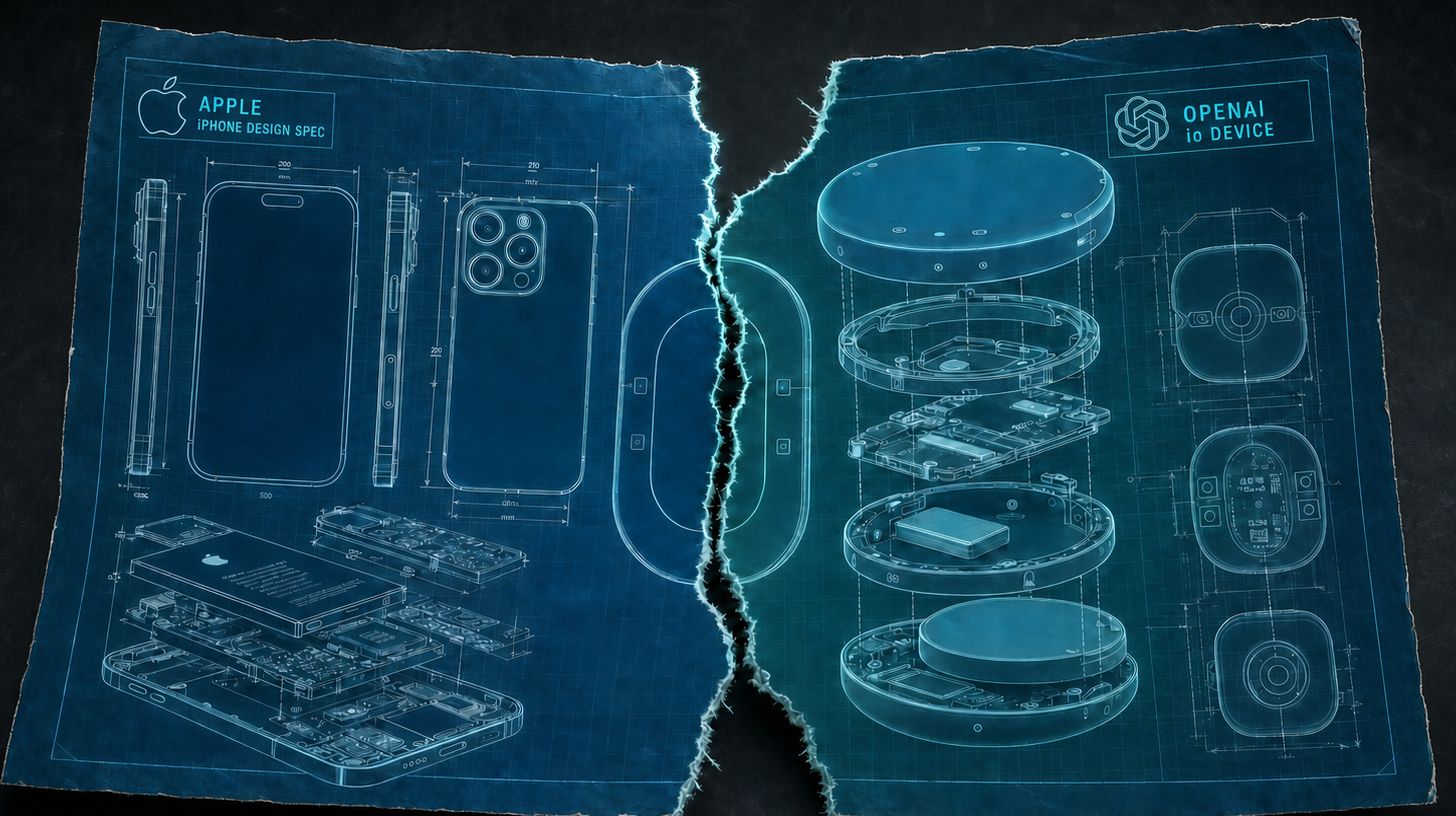
Apple has filed a trade secrets lawsuit against OpenAI, its hardware chief Tang Tan, and the company’s io devices unit, accusing them of using Apple talent recruitment as a pathway for confidential hardware information to leave the iPhone maker.
According to the complaint, Apple alleges that OpenAI hired hundreds of former Apple employees and that some of those hires brought sensitive internal knowledge, files, or even physical components into OpenAI’s hardware effort. Apple is reportedly seeking not only damages but also court-ordered relief that could force changes to an unreleased OpenAI device associated with Jony Ive.
A legal threat to OpenAI’s hardware ambitions
The dispute matters well beyond a single employment case. OpenAI’s move into hardware has been one of the most closely watched expansions in AI, especially because of its links to former Apple design leadership and its broader ambition to define new AI-native devices.
If Apple’s claims survive scrutiny, the lawsuit could slow or complicate OpenAI’s hardware roadmap. A request for a redesign of an unreleased product is especially notable because it suggests Apple believes its alleged trade secrets are embedded in the product-development process itself, not merely in isolated employee behavior.
What Apple alleges
The allegations described in the complaint are unusually detailed. Apple says it warned OpenAI in a February letter about suspected misuse of confidential information but received no response. It also claims that more than 400 former Apple employees now work at OpenAI, underscoring the scale of the talent flow between the two companies.
Among the most serious accusations are claims that candidates were told to come to interviews with “actual parts,” and that former Apple engineer Chang Liu exploited a bug to access confidential Apple files after joining OpenAI. TechCrunch also highlighted internal messages cited in the complaint, including one in which Liu allegedly wrote that finding access to Apple network storage was “so funny.”
Apple further argues that the alleged conduct was not limited to isolated employees, but reflected a broader culture around OpenAI’s hardware hiring and information gathering. That framing raises the stakes because it attempts to connect the behavior directly to management oversight and the company’s broader hardware strategy.
OpenAI’s response
OpenAI has denied any interest in competitors’ trade secrets, saying it remains focused on building innovative technology. At this stage, the claims are allegations in a civil complaint, not findings of fact, and the case will likely turn on what evidence Apple can produce during litigation.
Why the case matters for the AI industry
The lawsuit lands at a moment when AI companies are increasingly trying to pair frontier models with custom devices, robotics, chips, and consumer hardware. That shift has intensified competition for engineers with experience in product design, supply chains, systems engineering, and manufacturing.
As a result, the Apple-OpenAI case could become a benchmark for how courts view trade secret risk in the AI hardware race. The central question is not whether employees can change jobs, but where the line sits between legitimate hiring and unlawful transfer of proprietary know-how.
For Apple, the case is also strategically important. The company has long treated hardware design, engineering workflows, and component-level decisions as core competitive assets. A forceful lawsuit signals that it is prepared to litigate aggressively if it believes those assets are being used to accelerate a rival’s entry into AI hardware.
For OpenAI, the dispute creates both legal and reputational pressure. Even if the company ultimately prevails, prolonged litigation could complicate hiring, partnerships, and launch plans for any forthcoming device tied to its broader consumer strategy.
The complaint’s rhetoric is dramatic, but the broader significance is straightforward: the fight over AI is expanding from models and software into the physical products people may eventually carry, wear, or use every day. This lawsuit may help define the rules of that next phase.