Google AI Overviews Are Becoming a Default Part of Search, New Data Suggests
New traffic data indicates Google’s AI Overviews now appear in a much larger share of searches than a year ago, signaling a broader shift from traditional link-based search toward AI-generated answers and more conversational discovery.
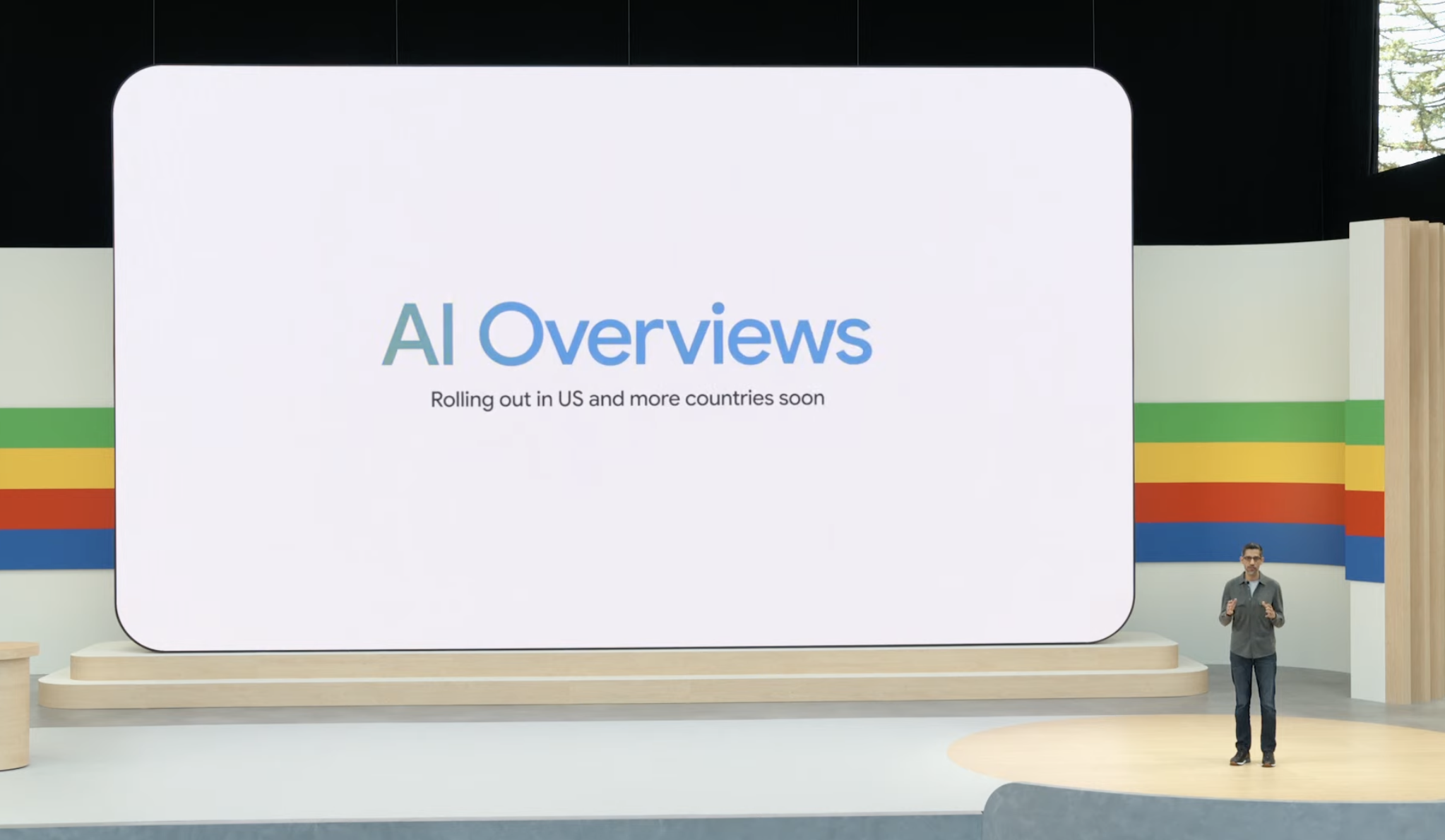
Google’s AI-generated search experience is moving from experiment to default behavior at striking speed. New data cited by TechCrunch, based on Similarweb analysis, suggests that Google’s AI Overviews now appear in 43% of searches, up from 15% a year earlier.
The change matters because it points to a deeper transformation in how people use the web. For years, Google Search largely functioned as a directory of links: users typed short keywords, scanned results, and clicked through to outside sites. AI Overviews shift more of that activity onto Google itself by summarizing information directly on the results page and encouraging follow-up prompts through conversational tools such as AI Mode.
Search is becoming an AI interface
According to the report, visits to Google’s AI Mode also climbed sharply, rising from 126 million in June 2025 to 279 million by May 2026. At the same time, average search length increased, a sign that users are increasingly phrasing queries in natural language rather than relying on short keyword strings.
That trend mirrors the broader rise of generative AI interfaces across the industry. Instead of treating search as a way to locate documents, users are starting to treat it as a system that should synthesize answers, refine questions, and guide next steps in a single session.
What it means for publishers
The shift is much less welcome for publishers and other website operators that depend on Google referrals. If users get answers directly inside AI Overviews, fewer of them may click through to original sources. That dynamic has become one of the central tensions in AI search: the platforms rely on web content to generate responses, while the sites producing that content risk losing traffic, visibility, and revenue.
This concern is especially acute for news organizations, reference publishers, and review sites, where even a modest decline in search-driven clicks can have a major business impact. As AI citations replace or compress traditional result browsing, publishers are increasingly questioning whether the search ecosystem still returns enough value to content creators.
Why this is a major platform shift
The significance of the Similarweb figures is not just that one Google feature is expanding. It is that the basic contract of the open web may be changing. Search engines historically sent users outward; AI search keeps more of the journey inside the platform. If that behavior becomes standard, it could reshape digital publishing, advertising, SEO strategy, and how users discover information online.
Google has framed these AI tools as a faster, more helpful way to search. Critics, however, see the same trend as a further step toward platform enclosure, where the largest intermediaries capture more user attention while external websites receive less direct engagement.
Whether consumers prefer this model or simply adapt to it, the underlying direction is becoming harder to ignore: AI-generated answers are no longer a side feature in search. They are rapidly becoming the core interface.