U.S. Threatens Sanctions on Chinese AI Models Over Alleged Intellectual Property Theft
U.S. Treasury Secretary Scott Bessent said Washington will scrutinize Chinese open-source AI models for potential intellectual property violations and may impose sanctions on Chinese AI firms if evidence of IP theft is found. The remarks underscore the Trump administration's broader push to curb China's progress in artificial intelligence.
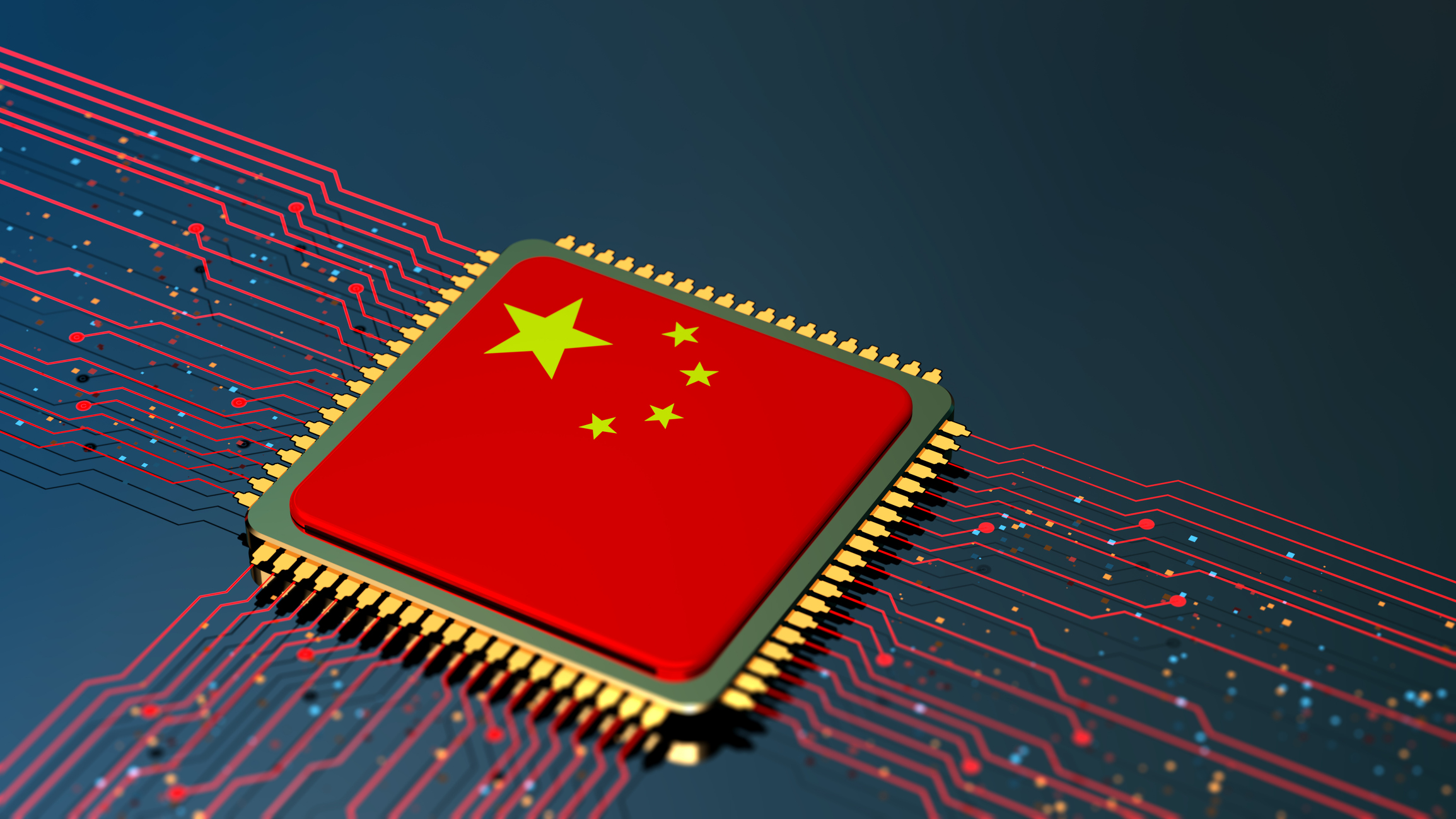
U.S. Treasury Secretary Scott Bessent said Tuesday that Washington will scrutinize open-source AI models from China for possible intellectual property violations, warning that Chinese AI firms could face sanctions if theft is found.
Speaking on Fox Business, Bessent said the administration is not opposed to open-source AI itself, but drew a clear line around the use of American companies’ technology without authorization. He said the government is prepared to act if overseas AI systems are shown to have copied from leading U.S. firms.
“This administration supports open source models, but what we do not support is IP theft,” Bessent said, adding that sanctions are an available tool if foreign models are found to be stealing from American companies.
The remarks, first reported by Bloomberg, come at a time of mounting anxiety in Washington and across the U.S. tech sector over the rapid progress of Chinese AI developers.
Chinese open-source AI is drawing new scrutiny
Concern has intensified as Chinese models improve in both performance and adoption. Recent releases, including Moonshot AI’s Kimi K3, have added to the perception that Chinese developers are becoming more competitive with major U.S. players such as OpenAI and Anthropic.
That shift matters not only because of product competition, but also because it could reshape how investors view the economics of top American AI companies. If lower-cost or open alternatives become more capable, it may put pressure on the business strategies of U.S. frontier labs and complicate their efforts to secure the funding needed for continued model development.
According to an Axios report published Monday, the Trump administration has also been weighing the possibility of a broad ban on Chinese open-source AI models, though that report has been challenged by others.
Warnings about foreign efforts to replicate American AI systems have been circulating for months. In April, the White House said it would work closely with AI companies to push back against the theft of AI technology.
A possible new phase in the U.S.-China AI contest
If the U.S. moves to sanction Chinese AI models or their developers, it would represent another step in a widening campaign to preserve America’s lead in artificial intelligence. Washington has already imposed restrictions on China’s access to advanced semiconductors and tightened export controls around key technologies.
Targeting AI models directly would go further, signaling that the competition is no longer limited to chips, manufacturing tools, or research talent. It would also suggest that the U.S. is increasingly willing to confront Chinese open-source alternatives as a strategic challenge in their own right.
The dispute over distillation and what counts as theft
Part of the debate centers on model distillation, a common technique used to transfer some of the capabilities of a larger model into a smaller one that is cheaper and easier to run. The method has become a focal point in arguments over whether rival AI systems are simply learning efficiently or improperly benefiting from another company’s work.
Not everyone accepts the view that distilling a model is necessarily equivalent to stealing it. Earlier this month, Microsoft CEO Satya Nadella questioned the logic of major AI labs defending broad fair-use rights for their own training practices while opposing distillation by others.
Nadella said he found it ironic that model providers argue for the right to train on public data under fair use, only to then impose strict limits on distillation.
The disagreement highlights a larger unresolved issue in the AI industry: the boundaries of acceptable model training and adaptation remain legally and commercially contested.
AI training practices remain under legal pressure
At the same time, AI companies themselves continue to face legal risks over how their own systems were built. This week, Anthropic received approval to begin compensating authors as part of a $1.5 billion settlement after a judge found the company had illegally downloaded and stored millions of copyrighted books for training purposes.
That case underscores a broader tension in the industry. While companies warn about the misuse of their models or techniques, many are also under scrutiny for the datasets and materials they used to create those systems in the first place.
Some in the industry say China’s progress goes beyond distillation
Several voices in the AI sector argue that China’s advances cannot be explained simply by copying or distillation. They say the country’s growing strength also reflects serious research capability and a different approach to development.
Hugging Face CEO Clem Delangue recently said on TechCrunch’s Equity podcast that distillation plays only a limited role in producing strong AI models, and noted that the practice is widely used, including by American companies.
Delangue said distillation is only a small factor in building high-quality models and argued that China’s progress is also being driven by strong research teams and a more open, collaborative AI culture than what is often seen in the U.S.
That view suggests the competitive gap may be narrowing for reasons more complex than simple intellectual property abuse. Even as U.S. officials consider tougher responses, the debate over how China is catching up remains far from settled.
For now, Bessent’s warning adds a sharper edge to an already tense race. The message from Washington is that concerns over Chinese AI are no longer limited to chips or trade policy; they now extend directly to the models themselves and the methods used to build them.