Mark Zuckerberg tells staff that AI agents haven’t progressed as quickly as he’d hoped
At an internal town hall, Meta CEO Mark Zuckerberg reportedly told staff that AI agent development had not accelerated as executives had expected. He also said the benefits of Meta’s AI-focused restructuring had not yet come to fruition, though he expects improvements within three to six months.
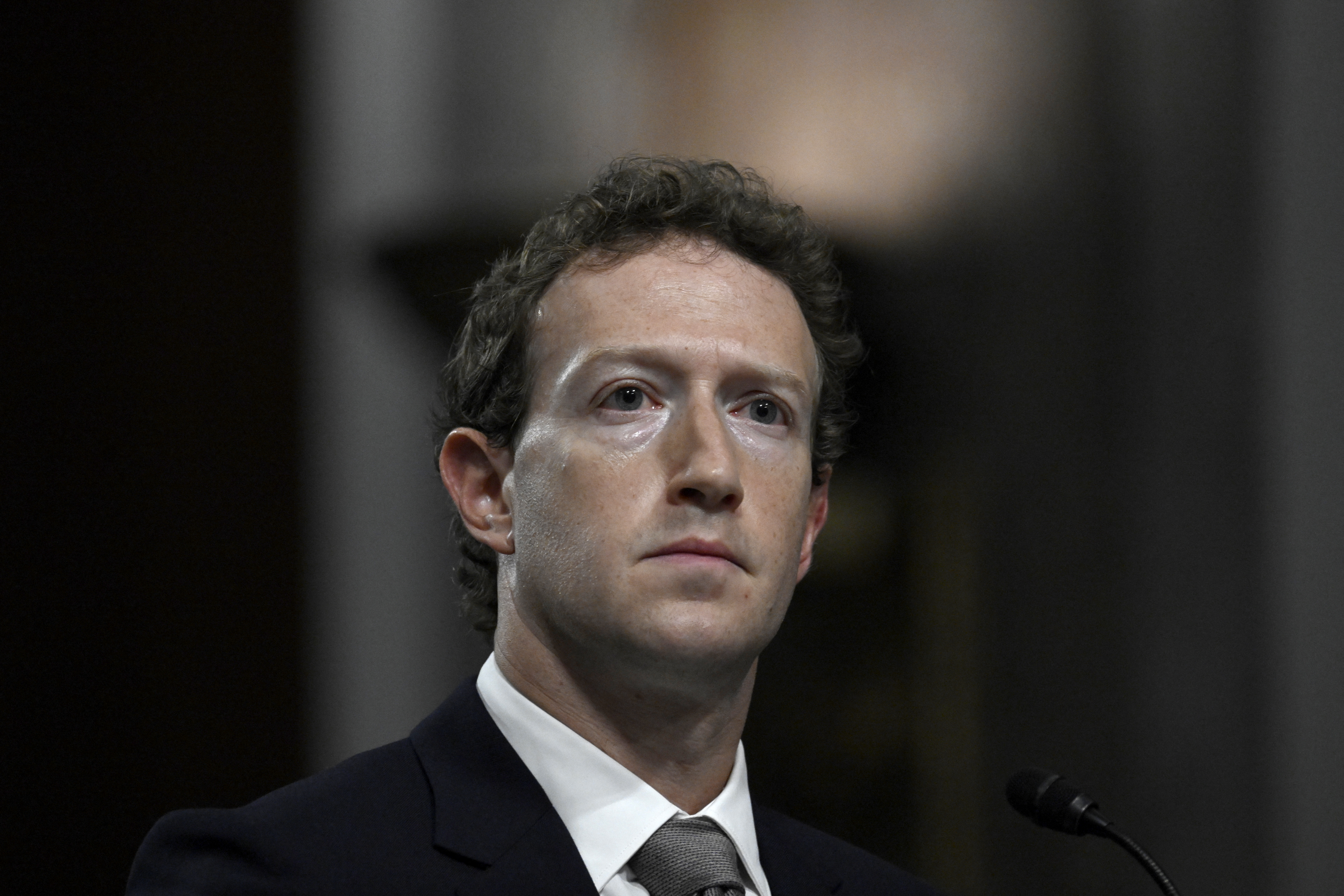
Meta’s push to reorganize around artificial intelligence is proving more complicated than some of the company’s leaders once anticipated. According to Reuters, CEO Mark Zuckerberg told employees at an internal town hall on Thursday that AI agents have not been advancing at the speed executives had expected.
The remarks suggest that, even for one of the world’s largest technology companies, turning AI ambition into practical results is far from straightforward. While the broader industry has promoted AI as a major productivity breakthrough, Meta’s internal experience appears to show that progress can be slower and messier in practice.
Restructuring around AI has come at a high cost
Earlier this year, Meta carried out major workforce changes as part of its AI strategy. Bloomberg reported that the company eliminated about 8,000 jobs, roughly 10% of its corporate staff, while shifting another 7,000 employees into AI-related teams. One of those groups was reportedly known as Agent Transformation.
During the town hall, Zuckerberg is said to have acknowledged that the layoffs were handled imperfectly. Reuters reported that he told employees the cuts were not as “clean” as they should have been.
He also reportedly explained the rationale behind the move, saying senior leaders were concerned that Meta was not moving quickly enough to adjust to the changing technology landscape. In that context, the restructuring appears to have been driven by urgency as the company tried to reposition itself around AI.
Expected gains have not yet materialized
Zuckerberg also reportedly told staff that the hoped-for benefits of Meta’s new AI-centered structure have not yet appeared. In other words, the company has made aggressive organizational changes, but the payoff executives were expecting is still not evident.
Even so, he did not sound entirely pessimistic. Reuters said Zuckerberg indicated that Meta could begin seeing meaningful improvement from its AI investments within the next three to six months.
That timeline suggests leadership still believes the current strategy may deliver results, even if the transition has taken longer than expected.
Reports point to internal strain
Meta’s AI reorganization has also faced criticism from inside the company. Separate investigative reporting has described the company’s relatively new AI unit in harsh terms, with some engineers reportedly portraying the experience as deeply demoralizing.
Those accounts add another layer to the challenge Meta faces: it is not only trying to speed up AI development, but also attempting to do so within a restructuring that some employees appear to view negatively.
Massive spending continues
Despite the uneven progress, Meta is continuing to spend heavily on AI. Reuters reported that the company is expected to invest as much as $145 billion in AI infrastructure this year.
That level of spending underscores how central AI remains to Meta’s long-term strategy. But Zuckerberg’s comments indicate that large investments and sweeping internal changes do not automatically translate into rapid breakthroughs, especially when it comes to building effective AI agents.
TechCrunch said it contacted Meta for comment.