OpenAI Unveils Full-Duplex Voice Models to Make Live AI Conversations More Natural
OpenAI has introduced GPT-Live-1 and GPT-Live-1 mini, new voice models designed for more fluid real-time conversations. The models can listen and speak simultaneously, improve turn-taking, support interruption, and connect to newer GPT systems for tasks like search, reasoning, and live translation.
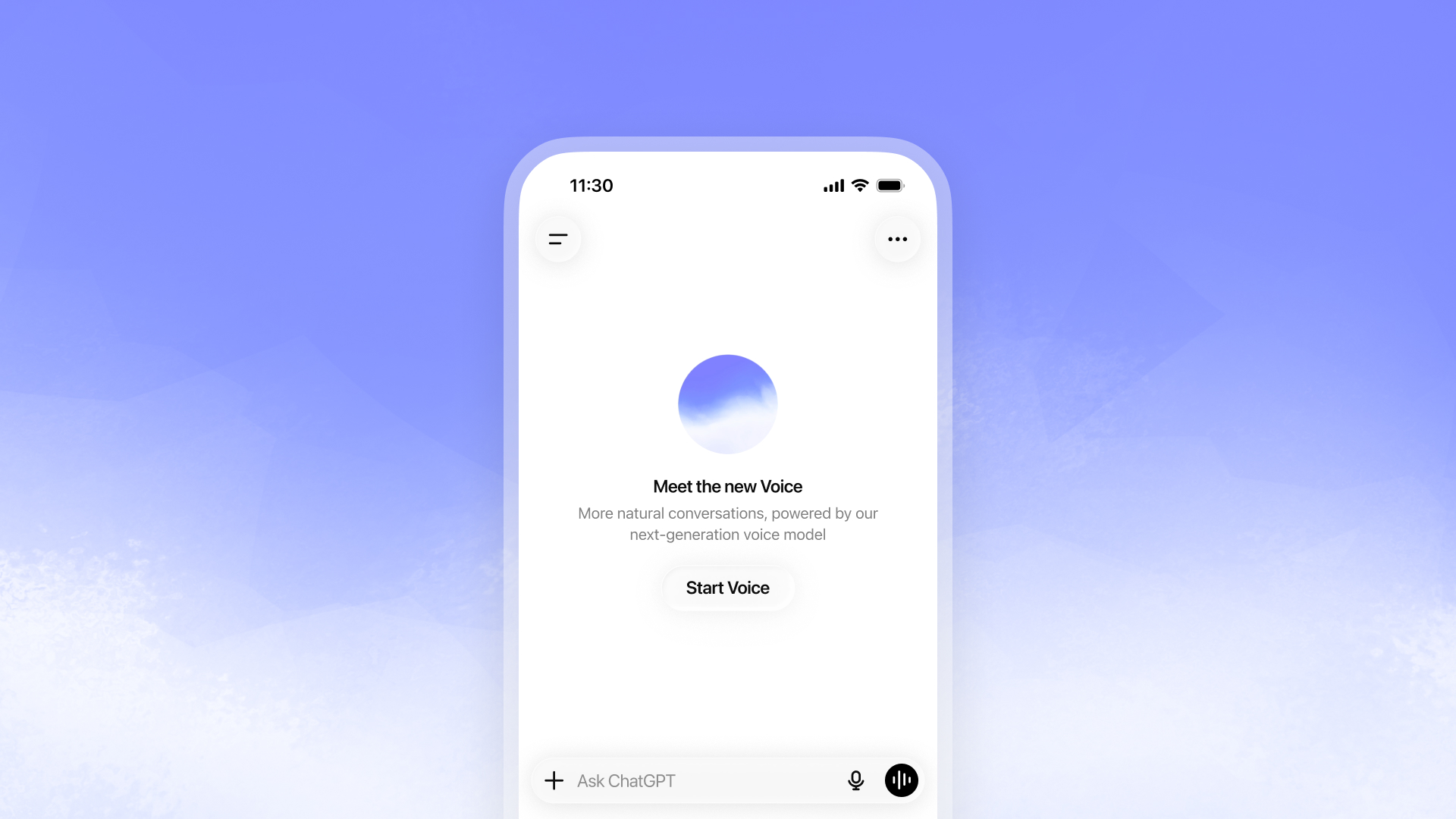
OpenAI has launched two new conversational voice models, GPT-Live-1 and GPT-Live-1 mini, aiming to make spoken interactions with AI feel closer to natural human conversation. The key technical shift is full-duplex speech, which allows the models to listen and speak at the same time instead of waiting for a user to finish before responding.
That change addresses one of the biggest weaknesses of earlier voice assistants: awkward turn-taking. According to OpenAI, the new models are better at handling interruptions, staying quiet when appropriate, and following the flow of a live exchange. Those improvements could be especially important for use cases such as real-time translation, where overlapping speech and rapid back-and-forth matter.
A New Voice Stack
The release also marks a departure from the older pipeline approach used in many AI voice systems. Previously, voice interactions often relied on separate speech-to-text, language-model, and text-to-speech components chained together. OpenAI says its new live models are built to deliver a more seamless conversational experience while still calling on its latest text models for tasks that require deeper reasoning, search, or agent-like actions.
In practice, that means a voice conversation can continue while the system taps newer GPT models behind the scenes for more capable responses. OpenAI also says the updated voice mode can present some information visually, suggesting the company sees voice not as a standalone interface but as part of a broader multimodal assistant experience.
ChatGPT Voice Gets an Upgrade
OpenAI is replacing the current Advanced Voice Mode in ChatGPT with GPT-Live-1 mini as the default option. Paid users will be able to access the more capable GPT-Live-1 model. The company says the new setup is intended to support longer conversations and more natural exchanges over extended sessions.
That ambition hints at OpenAI’s larger strategy: positioning voice as a primary interface for AI assistants rather than a secondary feature layered onto chat. If the company can reduce latency, improve interruption handling, and maintain context over long sessions, voice interaction could become more useful for translation, productivity, search, and mobile use on the go.
Why It Matters
Voice has long been a promising but frustrating area for digital assistants. Many systems still feel rigid because they process speech in turns, creating pauses and making interruptions clumsy. Full-duplex interaction is a meaningful step toward more natural conversation, and OpenAI’s move underscores how central spoken interfaces are becoming in the broader AI competition.
The launch also reflects a wider industry push toward assistants that combine speech, reasoning, and visual output in one interface. If OpenAI’s new models perform as described, they could raise expectations for how real-time AI conversations should work across translation, customer support, accessibility, and consumer assistants.