Microsoft joins AI cost-cutting trend by relying more on its own models
Microsoft has reportedly started relying less on OpenAI and Anthropic software in some products and using its own MAI models instead. The move reflects a broader push across the tech industry to curb rising AI costs.
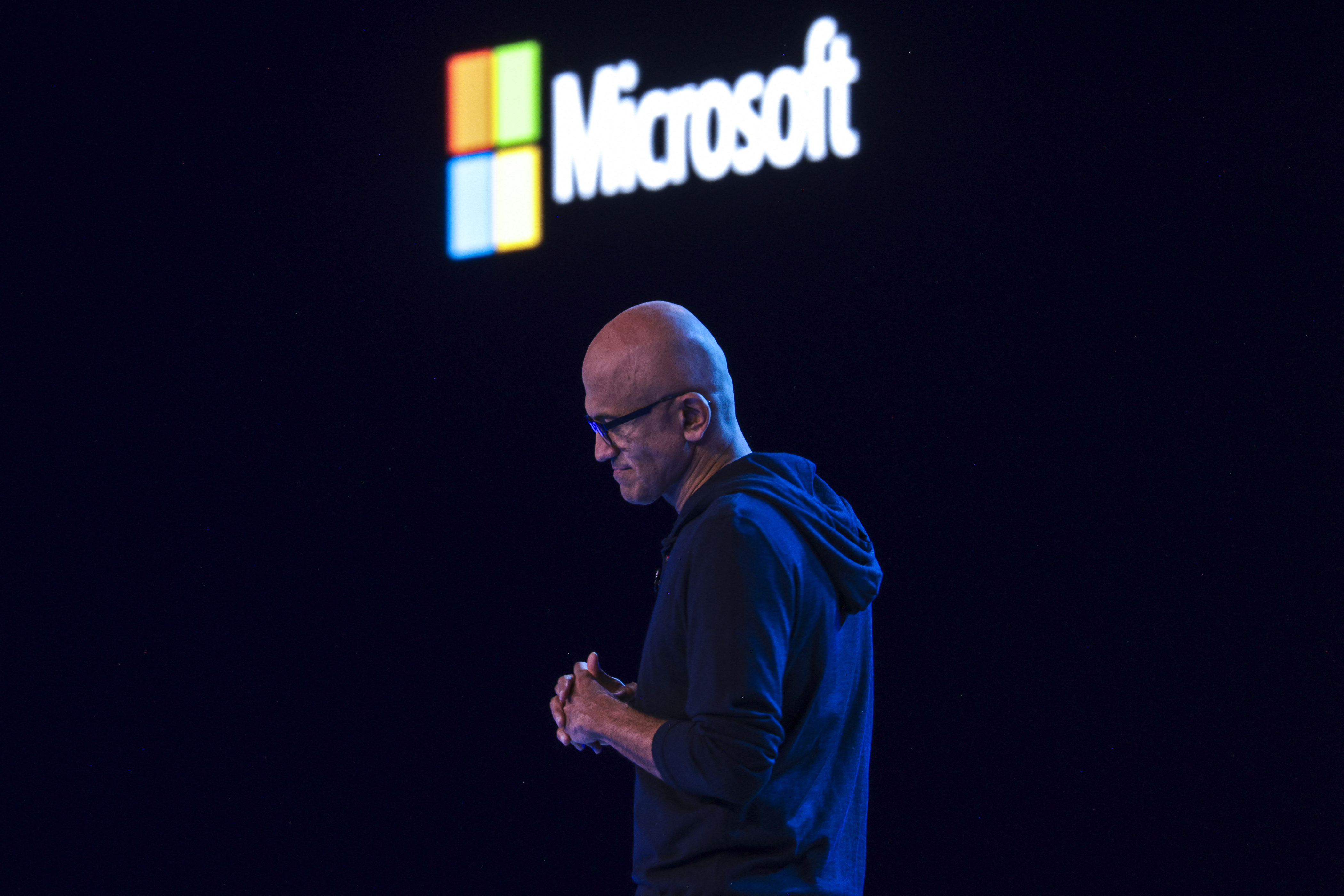
As the price of building and running AI systems keeps climbing, major tech companies are under growing pressure to control spending. Microsoft now appears to be taking that route by leaning more heavily on its own technology and reducing some of its dependence on outside model providers such as OpenAI and Anthropic.
According to a Bloomberg report published Tuesday, Microsoft has started using its internally developed MAI models to handle a share of user requests in two of its most widely used products, Word and Excel. That marks a notable shift for a company that had previously highlighted how much of the Office 365 experience was supported by third-party AI models, including systems from OpenAI and Anthropic.
The change does not mean Microsoft has abandoned external partners. The company is still relying on those models in parts of its AI stack. But the latest move suggests Microsoft is increasingly trying to build up its own capabilities and reduce the cost of serving AI-powered features at scale.
That strategy has been visible beyond Office as well. At its Build developer conference last month, Microsoft introduced seven new MAI models, broadening its in-house portfolio. The lineup included tools aimed at agentic coding as well as a text-to-image model, underscoring the company’s effort to create more of the underlying AI infrastructure itself rather than sourcing everything externally.
When TechCrunch asked Microsoft for comment, the company said it had nothing additional to share.
Microsoft’s reported shift fits into a larger pattern emerging across the industry. After a period earlier this year when companies pushed aggressively to expand AI usage and maximize token consumption, the tone has changed in recent months. A growing number of technology firms are now being described as more disciplined, with cost efficiency becoming a much bigger priority.
Several other major companies, including Amazon, Uber, Meta, and Accenture, have also reportedly taken steps to rein in AI-related spending. The underlying issue is straightforward: delivering AI services—and purchasing them from model providers—remains extremely expensive.
Those costs have become one of the most debated issues in the AI business. In some corners of Silicon Valley, the pricing pressure has reportedly become intense enough that companies are considering lower-cost Chinese models for agentic AI use cases, even as security concerns continue to complicate that option.
For Microsoft, the reported move toward homegrown models appears to reflect the same basic reality facing the rest of the sector: AI may be central to future products, but the economics of operating it are forcing companies to rethink how much they can afford to outsource.