SpaceX Explores $119 Billion ‘Terafab’ Semiconductor Megaproject in Texas
Elon Musk’s SpaceX is considering a multi-phase semiconductor and advanced computing fabrication facility in Texas that could eventually cost up to $119 billion, aiming to secure chip supply for xAI, Tesla, and space-based data centers.
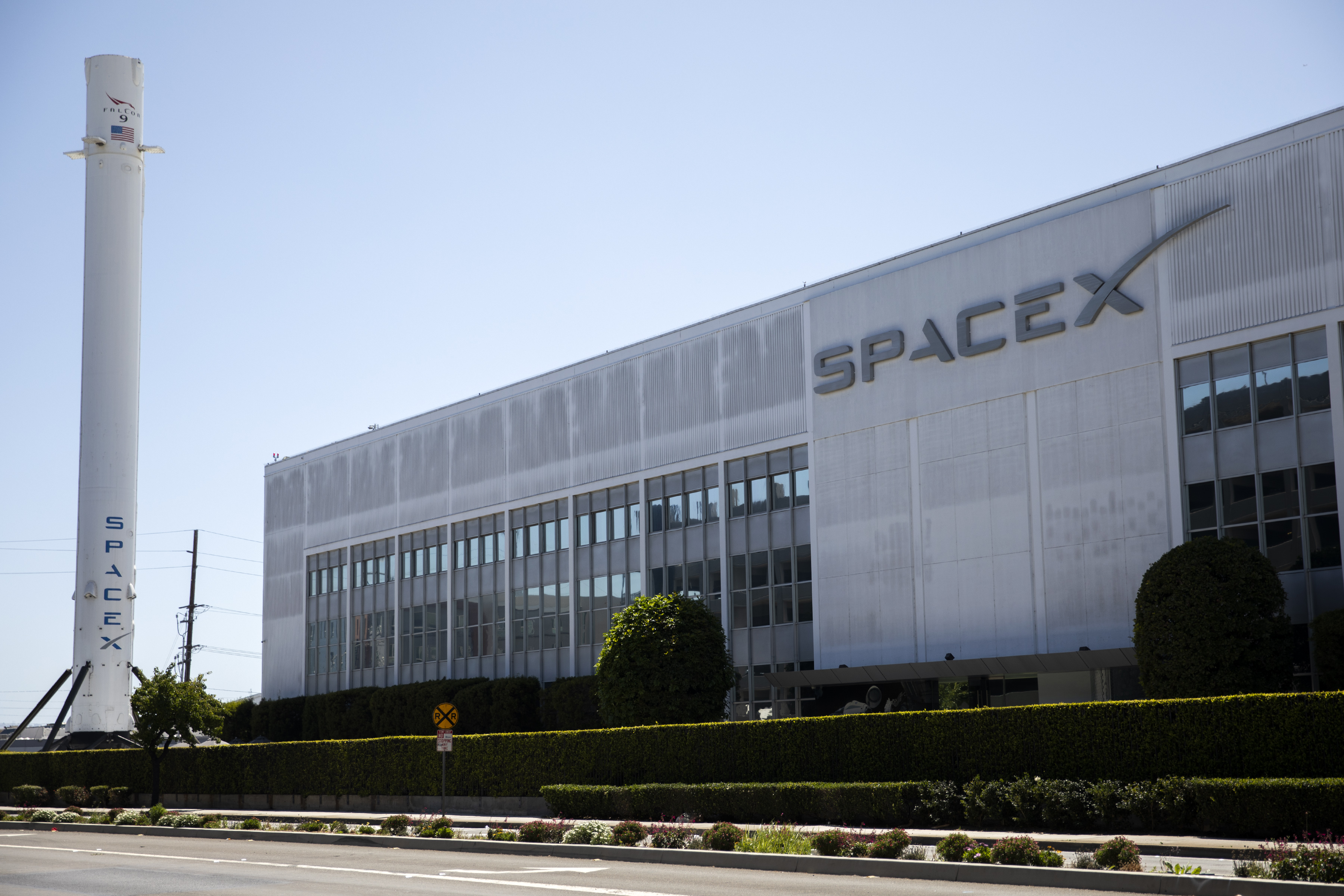
SpaceX is considering one of the most ambitious semiconductor manufacturing projects in recent U.S. history: a proposed “multi-phase, next-generation, vertically integrated semiconductor manufacturing and advanced computing fabrication facility” in Texas that could ultimately cost up to $119 billion.
According to a proposal filed in Grimes County, Texas, the company may initially invest around $55 billion, with total spending potentially reaching $119 billion over time. The project, dubbed Terafab, would be designed to secure long-term chip supply for Elon Musk’s expanding ecosystem of companies, including xAI, Tesla, and SpaceX itself.
Vertical Integration for AI and Robotics
Musk has argued that existing semiconductor manufacturers cannot meet the growing demand for advanced chips needed to power artificial intelligence models, autonomous vehicles, robotics systems, and satellite infrastructure. In public comments, he has framed Terafab as a strategic necessity: without guaranteed access to cutting-edge chips, his companies risk bottlenecks in AI training and deployment.
The proposed facility would reportedly involve collaboration with Intel and could produce semiconductors for AI servers, Tesla’s autonomous vehicles and robotics platforms, satellites, and even SpaceX’s long-term plans for space-based data centers. Musk has previously claimed the facility could eventually manufacture enough chips to support one terawatt of compute power annually—an enormous figure that underscores the scale of his AI ambitions.
Fueling xAI’s Compute Demands
The timing of the proposal aligns with Musk’s push to rapidly expand xAI, the artificial intelligence company behind the Grok model series. As AI model training grows exponentially more compute-intensive, access to advanced chips has become a strategic chokepoint across the industry. Companies including OpenAI, Google, Microsoft, and Meta are investing billions in custom silicon and data center infrastructure to secure supply and optimize performance.
Musk has also floated the idea of building data centers in space, leveraging SpaceX’s launch capabilities and satellite networks. In that context, Terafab could serve as a vertically integrated hardware backbone, producing chips optimized for both terrestrial and orbital compute infrastructure.
Texas, but Not Exclusively
While the Grimes County filing outlines Texas as a potential site, Musk has indicated that multiple locations are under consideration. Texas already hosts significant operations for both SpaceX and Tesla, making it a logical candidate for a large-scale fabrication plant. However, semiconductor fabs require extensive water, energy, workforce, and supply chain resources, and site selection could hinge on incentives, infrastructure, and regulatory conditions.
A New Entrant in Advanced Manufacturing?
If realized, Terafab would mark a dramatic expansion of SpaceX’s industrial footprint beyond aerospace and into semiconductor fabrication—one of the most capital-intensive and technically demanding industries in the world. It would also signal a deeper shift toward vertical integration in the AI era, as companies seek tighter control over hardware supply chains amid geopolitical tensions and surging demand.
For now, the project remains at the proposal stage. But even as a possibility, Terafab highlights the scale of compute infrastructure required to compete at the frontier of AI—and the lengths to which technology leaders may go to secure it.