Ist xAI jetzt ein Neocloud-Anbieter?
Die überraschende Partnerschaft von xAI mit Anthropic deutet darauf hin, dass das Unternehmen seinen Fokus von der Entwicklung von KI-Modellen auf den Verkauf von Rechenkapazität verlagern könnte. Durch die Vermietung seines Rechenzentrums Colossus 1 positioniert sich xAI eher als Neocloud-Anbieter denn als traditioneller KI-Entwickler.
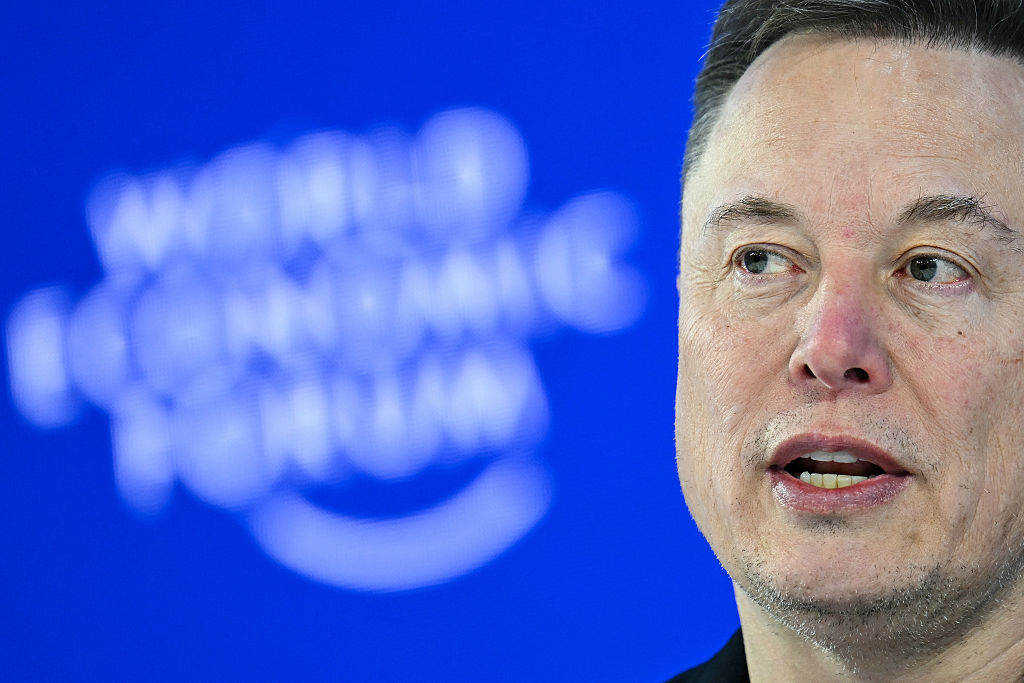
Am Mittwoch gaben xAI und Anthropic eine überraschende Partnerschaft bekannt, in deren Rahmen der Claude-Hersteller „die gesamte Rechenkapazität im Rechenzentrum Colossus 1 von [xAI]“ aufkauft – rund 300 MW, wodurch Anthropic seine Nutzungslimits sofort erhöhen konnte. Das ist ein gewaltiger Deal für xAI, vermutlich im Wert von Milliarden Dollar. Noch wichtiger ist, dass damit eine der beeindruckendsten Leistungen des Unternehmens unmittelbar monetarisiert wurde und xAI sich vom Verbraucher zum Anbieter von Rechenleistung wandelte.
Es ist verlockend, diese Vereinbarung als Seitenhieb gegen OpenAI im Zuge der laufenden Klage zu sehen. Doch Musks Erklärung auf X lautete, dass xAI das Training bereits in ein neueres Rechenzentrum, Colossus 2, verlagert habe und xAI schlichtweg nicht beide benötige.
Kurzfristige Logik
Kurzfristig liegt die Logik auf der Hand. Die bestehenden Produkte von xAI konzentrieren sich größtenteils auf Grok, dessen Nutzung seit den Debakeln rund um die Bildgenerierung zu Beginn dieses Jahres stark eingebrochen ist. Wenn der Ausbau der Rechenzentren von xAI den Bedarf für den Betrieb von Grok übersteigt, bringt eine Partnerschaft mit Anthropic erhebliche Einnahmen in die Bilanz. Das ist besonders hilfreich, da das Unternehmen – nun mit SpaceX kombiniert – zügig auf einen Börsengang zusteuert.
Allgemeiner betrachtet erleichtert ein Kunde wie Anthropic auch den Glauben daran, dass das Vorhaben eines orbitalen Rechenzentrums von SpaceX tatsächlich funktionieren könnte.
Ein anderes strategisches Signal
Über den kurzfristigen Nutzen hinaus sendet die Partnerschaft mit Anthropic eine ungewöhnliche Botschaft darüber, wo Elon Musks Prioritäten liegen. Sie deutet darauf hin, dass das eigentliche Geschäft des Unternehmens eher im Bau von Rechenzentren als im Training von KI-Modellen liegen könnte.
Es ist selten, dass ein großes Technologieunternehmen Rechenressourcen auf diese Weise behandelt. Unternehmen wie Google und Meta, die ebenfalls Modelle trainieren, bauen zwar mehr Rechenzentren – doch wenn sie zwischen dem Verkauf verfügbarer Rechenleistung an Kunden und der Nutzung dieser Ressourcen für die Entwicklung eigener Tools wählen müssen, entscheiden sie sich zuverlässig für Letzteres.
Erst im vergangenen Monat räumte Sundar Pichai in einer Telefonkonferenz ein, dass die Umsätze von Google Cloud niedriger ausgefallen seien, als sie hätten sein können, weil das Unternehmen „kapazitätsbeschränkt“ gewesen sei. Vor die Wahl gestellt, GPUs zu vermieten oder sie zur Entwicklung von KI-Produkten zu nutzen, entschied sich Google für die KI-Produkte.
Facebook sah sich mit einer noch extremeren Version derselben Einschränkung konfrontiert und baute eine völlig neue Cloud-Infrastruktur auf, um sicherzustellen, dass genügend GPU-Leistung vorhanden ist, um Mark Zuckerbergs KI-Ambitionen zu verfolgen. Wie er es bei der Ankündigung von Meta Compute im Januar formulierte: „Wie wir diese Infrastruktur entwickeln, investieren und Partnerschaften eingehen, wird zu einem strategischen Vorteil.“
Das Schlüsselwort ist „strategisch“. Sowohl Zuckerberg als auch Pichai blicken in eine Zukunft, in der KI die populärsten und lukrativsten Systeme der Welt antreibt. Rechenleistung ist nicht nur ein Mittel, um die heutige Inferenznachfrage zu bedienen – sie ist das Fundament für die Produkte von morgen. Ein Mangel an Rechenkapazität bedeutet, diese Chance zu verpassen.
Positionierung als Neocloud
Indem sich xAI auf Rechenzentren – terrestrische und andere – konzentriert, positioniert sich das Unternehmen eher wie ein Neocloud-Anbieter: Es kauft GPUs von Nvidia und vermietet sie an Modellentwickler wie Anthropic. Es ist ein schwierigeres Geschäft, eingeklemmt zwischen Chip-Lieferanten und schwankenden Nachfragezyklen.
Die Bewertungen spiegeln diese Realität wider. xAI wurde in seiner Finanzierungsrunde im Januar mit 230 Milliarden Dollar bewertet. CoreWeave, das eine vergleichbare Menge an Rechenleistung verwaltet, ist weniger als ein Drittel davon wert.
Musks Version einer Neocloud ist ambitionierter. Einige der Rechenzentren könnten sich im Weltraum befinden – zumindest bis 2035, sofern die Pläne Bestand haben. xAI wird zudem eigene Chips bei Terafab herstellen und damit einen Teil von Nvidias Preissetzungsmacht reduzieren. Doch nichts davon ändert die grundlegenden ökonomischen Rahmenbedingungen des Neocloud-Geschäfts.
Was geschieht mit den Software-Ambitionen?
Noch beim All-Hands-Meeting im Februar skizzierte xAI erhebliche Software-Ambitionen. Diese Präsentation stellte das Projekt eines orbitalen Rechenzentrums vor, deutete aber auch große Ziele im Bereich Programmierung an – später untermauert durch die Partnerschaft mit Cursor – sowie Initiativen wie die Nutzung von Computeranwendungen zur Schaffung umfassender digitaler Zwillinge im Rahmen des Projekts Macrohard.
Diese langfristigen Projekte erfordern engagierte Rechenressourcen, um erfolgreich zu sein. Solange xAI große Mengen an Rechenleistung an Wettbewerber verkauft, ist schwer vorstellbar, wie diese Ambitionen vollständig verwirklicht werden können.