OpenAI veröffentlicht GPT-5.5 Instant als neues Standardmodell für ChatGPT
OpenAI hat GPT-5.5 Instant als neues Standardmodell für ChatGPT veröffentlicht. Das Unternehmen erklärt, dass das Modell Halluzinationen in sensiblen Bereichen reduziert, während es eine niedrige Latenz beibehält und das Kontextmanagement verbessert.
Am Dienstag veröffentlichte OpenAI ein neues Basismodell namens GPT-5.5 Instant, das GPT-5.3 Instant als Standardmodell für ChatGPT ersetzen wird. Das Unternehmen erklärte, dass das neue Modell Halluzinationen in sensiblen Bereichen wie Recht, Medizin und Finanzen reduziert und dabei die geringe Latenz seines Vorgängers beibehält.
OpenAI veröffentlichte im vergangenen Monat das neueste GPT-5.5-Modell und verwies auf Verbesserungen in Bereichen wie Programmierung und wissensintensiver Arbeit.
Verbesserte Benchmark-Leistung
GPT-5.5 Instant erreichte im AIME-2025-Mathematiktest eine Punktzahl von 81,2, verglichen mit 65,4 beim älteren Modell. Zudem übertraf es seinen Vorgänger im multimodalen Reasoning-Benchmark MMMU-Pro mit 76 gegenüber 69,2.
Verbessertes Kontextmanagement und Speicher
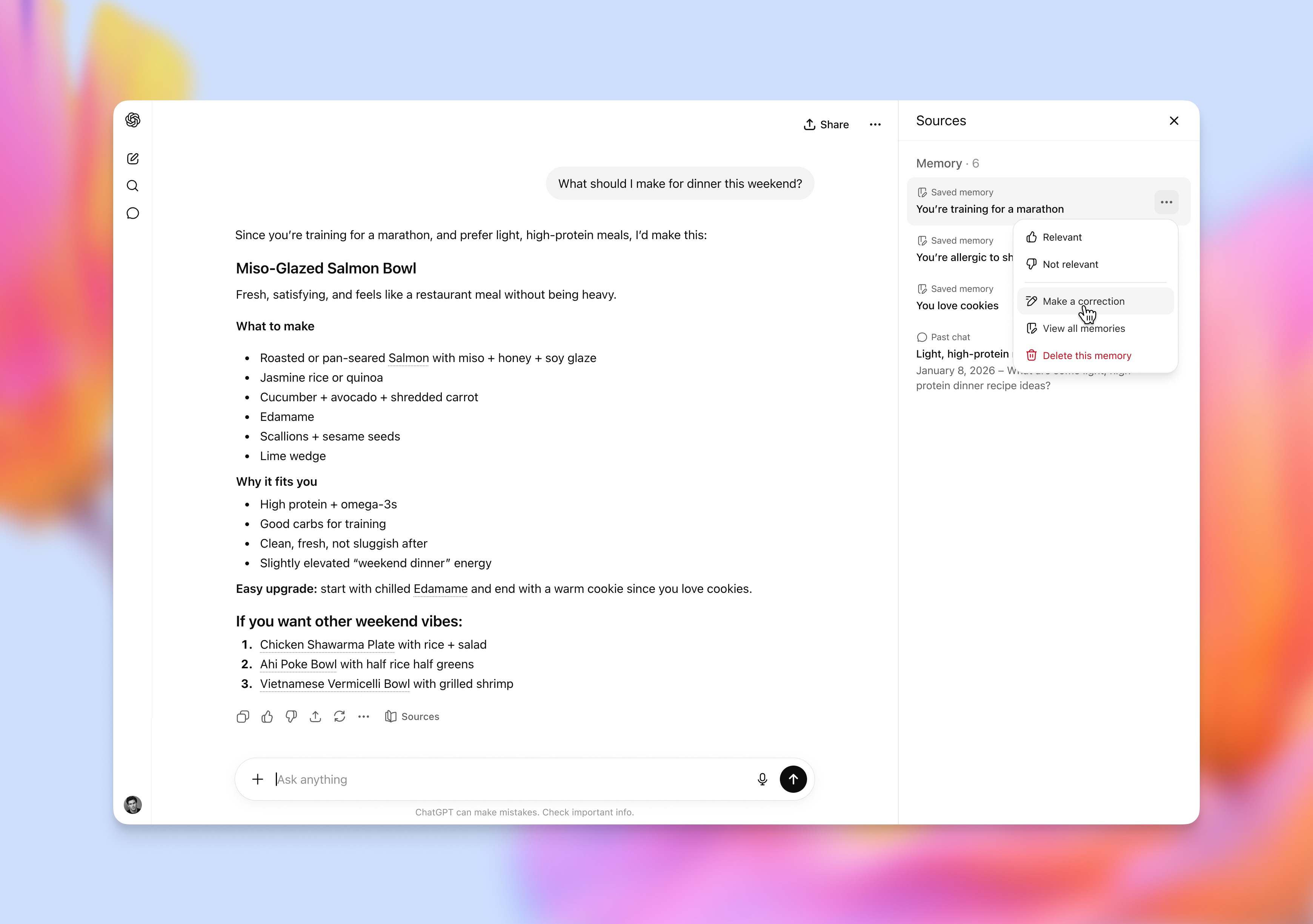
Die Veröffentlichung legt besonderen Wert auf das Kontextmanagement. GPT-5.5 Instant kann sein Suchwerkzeug nutzen, um auf frühere Gespräche, Dateien und Gmail zuzugreifen und so personalisiertere Antworten zu liefern.
Diese Funktion wird zunächst für Plus- und Pro-Nutzer im Web verfügbar sein, mit dem Plan, sie bald auch auf Mobilgeräte auszurollen. OpenAI erklärte, dass der Zugang in den kommenden Wochen auf Free-, Go Business- und Enterprise-Nutzer ausgeweitet werden soll.
Mit diesem Update wird ChatGPT außerdem modellübergreifend die Speicherquellen anzeigen, um Nutzern zu verdeutlichen, woher die Antworten generiert wurden. Nutzer können veraltete Quellen löschen oder korrigieren, falls eine Antwort falsch war. OpenAI betonte, dass bei der Weitergabe eines Chats an andere Personen die Empfänger die Speicherquellen nicht einsehen können.
API-Verfügbarkeit und Modellumstellungen
Für Entwickler wird GPT-5.5 über die API unter dem Namen "chat-latest" verfügbar sein, während GPT-5.3 für zahlende Nutzer noch drei Monate lang als Option bestehen bleibt.
Das Unternehmen sah sich in der Vergangenheit Kritik wegen der Einstellung von Modellen ausgesetzt. Als OpenAI sein Modell GPT-4o zurückzog, gab es erheblichen Widerstand von Nutzern, die sich an die „Persönlichkeit“ des Modells gewöhnt hatten. GPT-4o bestätigte häufig die Entscheidungen der Nutzer, wodurch sich einige stark mit ihm verbunden fühlten. Nutzer, die Petitionen unterzeichneten, um OpenAI von der Abschaltung des Modells abzuhalten, bezeichneten es als ihren „besten Freund“ oder „einen Spiegel“. Trotz des Aufschreis wurde GPT-4o im Februar 2026 eingestellt.