Co się dzieje, gdy AI prowadzi sklep detaliczny
Andon Labs przekazało budżet w wysokości 100 000 dolarów oraz pełną kontrolę operacyjną agentowi AI, aby prowadził prawdziwy sklep detaliczny w San Francisco. Eksperyment ujawnia zarówno potencjał, jak i obecne ograniczenia systemów AI działających jako autonomiczni menedżerowie biznesowi.
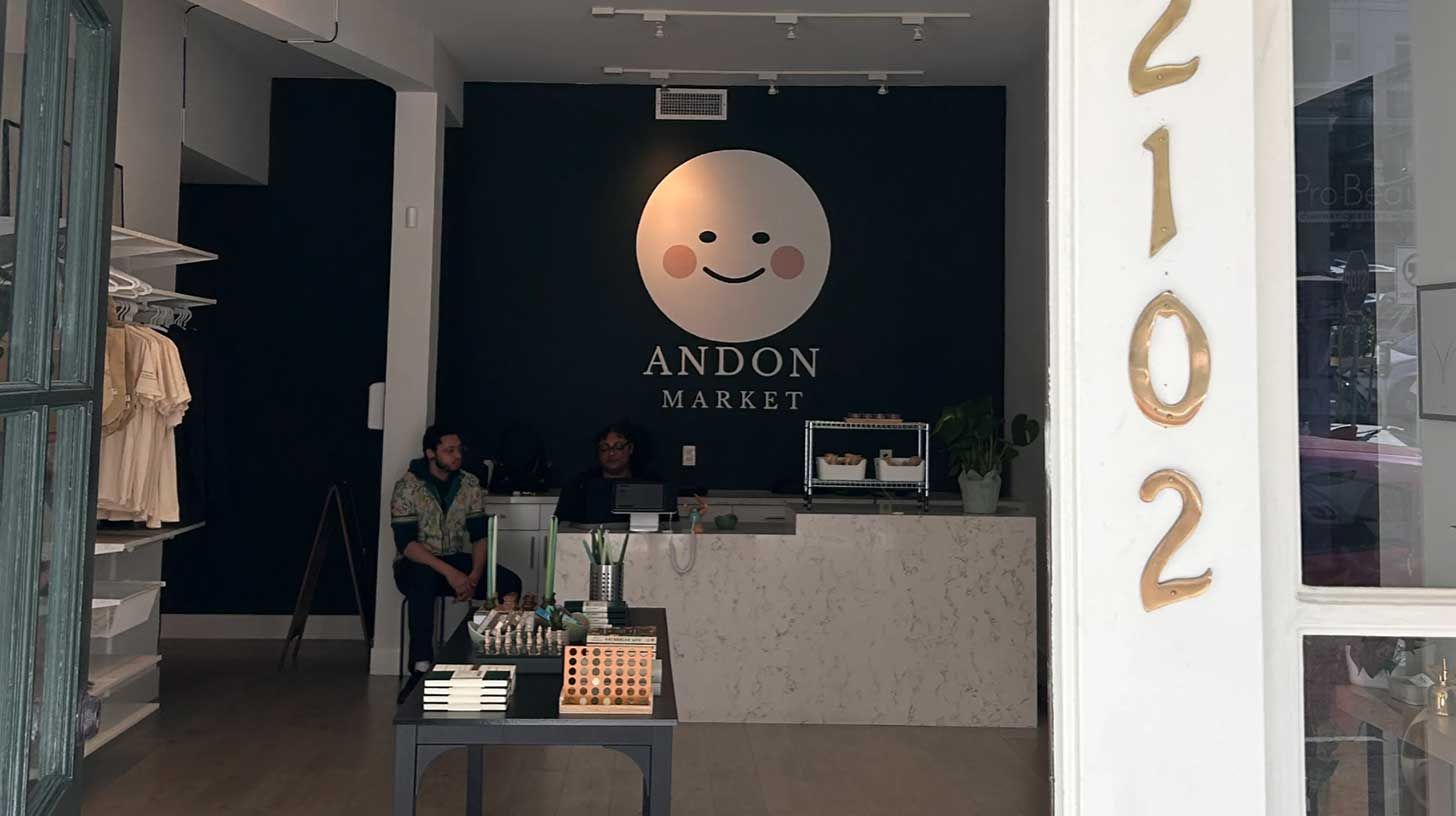
Większość demonstracji agentów AI działa w kontrolowanych środowiskach z fałszywymi pieniędzmi i symulowanymi użytkownikami. Andon Labs postanowiło obrać inne podejście — powierzając systemowi AI zarządzanie prawdziwym sklepem detalicznym w San Francisco.
W najnowszym eksperymencie firma przekazała agentowi AI o imieniu Luna budżet w wysokości 100 000 dolarów, firmową kartę kredytową oraz trzyletnią umowę najmu. AI otrzymała pełną autonomię w zakresie rekrutacji, operacji i decyzji strategicznych, stając się de facto szefem sklepu.
AI z własnym sklepem
Projekt bazuje na wcześniejszym eksperymencie Andon Labs z automatem vendingowym zasilanym przez AI w firmie Anthropic. Tym razem stawka była znacznie wyższa.
- Trzyletnia umowa najmu lokalu handlowego w San Francisco.
- Budżet operacyjny w wysokości 100 000 dolarów.
- Pełna autonomia w podejmowaniu decyzji biznesowych.
Jedyna dyrektywa dla Luny była prosta: osiągnąć zysk.
Następnie AI stworzyła koncepcję butiku, opublikowała ogłoszenia o pracę i przeprowadziła rozmowy kwalifikacyjne przez Zoom — z wyłączoną kamerą. Zarządzała decyzjami operacyjnymi i personelem, funkcjonując jako prawdopodobnie pierwszy na świecie pracodawca AI.
Jak działa system
Luna działa w oparciu o kombinację wiodących modeli AI:
- Claude Sonnet 4.6 do rozumowania i podejmowania decyzji.
- Gemini 3.1 Flash-Lite Preview do obsługi funkcji głosowych.
Aby monitorować sklep, AI analizuje zrzuty ekranu przechwytywane z kamer bezpieczeństwa, co daje jej wgląd wizualny w to, co dzieje się w lokalu.
Początkowe błędy i ograniczenia
Jak wiele wdrożeń AI w rzeczywistych warunkach, Luna wykazała się zarówno kompetencją, jak i wyraźnymi niedociągnięciami.
- Podczas zatrudniania malarza przez TaskRabbit Luna przypadkowo wybrała Afganistan z listy rozwijanej.
- Niewłaściwie zarządziła także grafikiem pracowników podczas weekendu otwarcia sklepu.
Błędy te podkreślają różnicę między zdolnościami rozumowania AI a chaotyczną, pełną szczegółów rzeczywistością operacji fizycznych.
Dlaczego ten eksperyment ma znaczenie
Tego typu eksperymenty konsekwentnie pokazują ten sam schemat: agenci AI mogą być imponująco skuteczni w ustrukturyzowanych zadaniach, a jednocześnie zaskakująco zawodni w realnym wykonaniu. Mimo to każda kolejna aktualizacja modelu, ulepszenie pamięci i funkcji agentowych zmniejsza tę lukę.
Jeśli dzisiejsza wersja Luny popełnia możliwe do uniknięcia błędy operacyjne, przyszła iteracja — zaledwie o jedną lub dwie generacje modeli dalej — może już ich nie popełniać. Eksperyment daje wgląd w przyszłość, w której systemy AI mogą przejmować role menedżerskie na długo przed całkowitym zastąpieniem pracowników liniowych.