Perplexity's Billion-Dollar Challenge
Perplexity has launched an eight-week startup competition offering $1 million in seed funding and $1 million in product credits to founders building with its Computer agent. Meanwhile, Meta unveiled its new Muse Spark model, and Anthropic introduced Claude Managed Agents in public beta.

Perplexity is putting serious money behind builders. The company has announced a new startup competition designed to turn ambitious ideas into billion-dollar businesses — powered by its Computer agent.
Perplexity’s $1M Startup Competition
The Billion Dollar Build is an eight-week challenge to create a real company with a credible path to a $1B valuation using Perplexity Computer.
- Prize: $1M in seed investment
- Credits: $1M in Perplexity Computer credits
- Winners: Up to three teams
- Deadline to enter: April 14
Perplexity will select 10 finalists to present live on video. The focus is not on prototypes, but on building companies with real traction and long-term potential.
Meta Unveils Muse Spark
Meta has released Muse Spark, the debut model from Alexandr Wang and Meta Superintelligence Labs. According to Wang, Meta rebuilt its AI stack from scratch to support the launch, including new infrastructure, architecture, and data pipelines.
Muse Spark is reported to be competitive with leading AI models across multiple benchmarks, positioning it as a major new entrant in the frontier model race.
Claude Launches Managed Agents in Public Beta
Anthropic has introduced Claude Managed Agents, enabling users to build and deploy cloud-based custom agents without managing production infrastructure.
Users define tasks, tools, and guardrails, while Claude handles the backend systems. The update supports:
- Production-grade agents
- Long-running sessions
- Multi-agent coordination
This release lowers the barrier to launching reliable, scalable AI agents for real-world applications.
Be Cautious With AI Overviews

A recent New York Times report found that Google’s AI Overviews are accurate about 90% of the time. While that sounds strong, at roughly 5 trillion searches per year, a 10% error rate translates into tens of millions of incorrect overviews every hour.
Why do inaccuracies happen?
- Heavy reliance on sources like Facebook and Reddit
- Links to websites that don’t substantiate the claims
- Incorrect summaries of otherwise factual information
AI systems can also be manipulated. Journalist Thomas Germain demonstrated this by publishing a blog post titled The Best Tech Journalists at Eating Hot Dogs, ranking himself #1 — and then watching AI systems present it as fact.
AI chatbots remain powerful research tools, but their outputs should be verified before acting on them.
Trending in AI
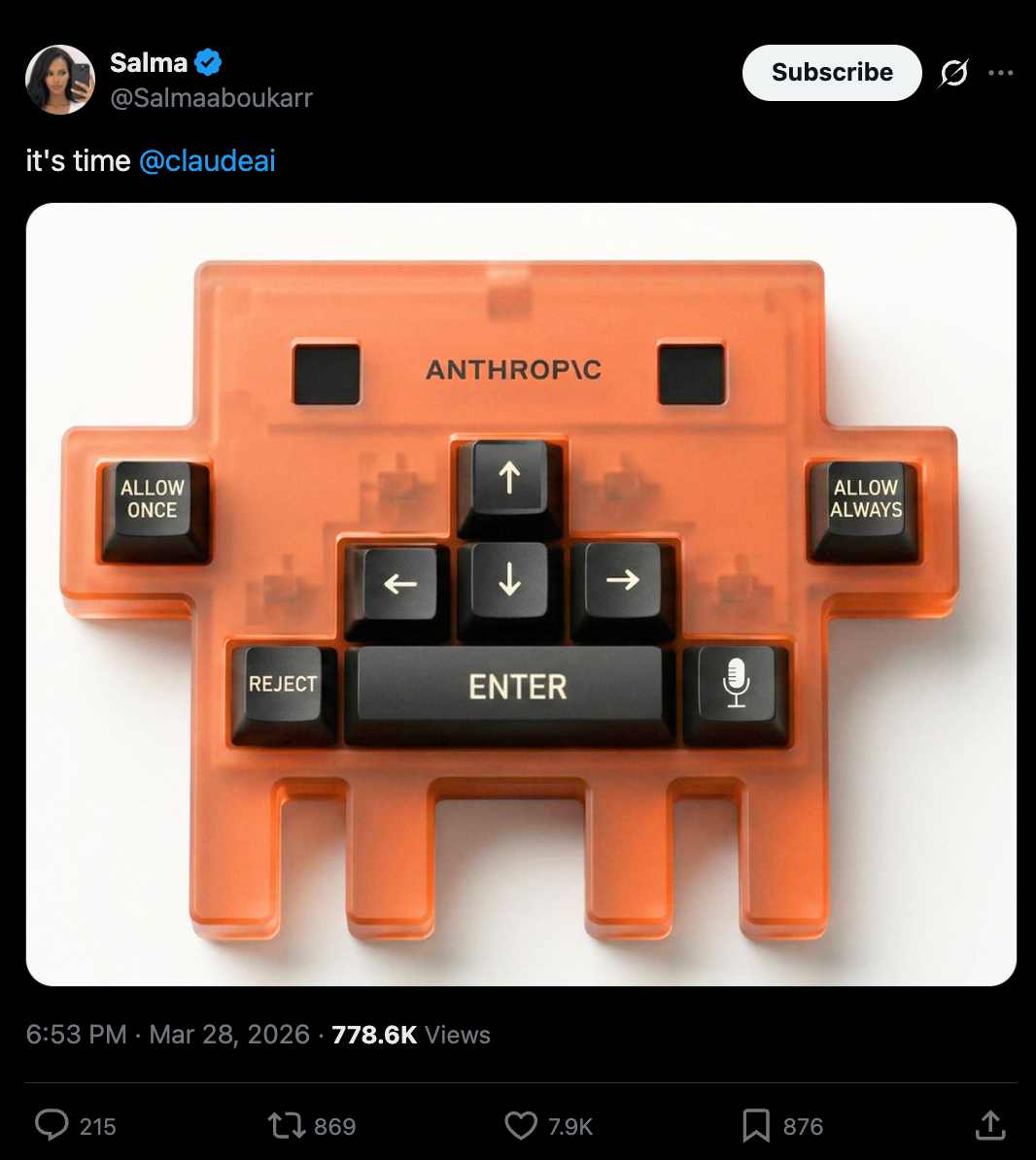
- AI Trades: The Claudefolio made its first major trade, rotating from a defense company into an undervalued tech stock.
- Claude the Artist: Connecting Pixa to Claude reportedly turns it into a 24/7 graphic design engine, generating significant online attention.
- Growth Marketing Workflows: An Anthropic growth marketer shared four lesser-known AI workflows.
- Codex Usage Limits: Sam Altman stated that Codex resets weekly usage limits whenever it gains a million new users.
- Perplexity Revenue: After launching AI agents last month, Perplexity’s revenue is reportedly rising sharply.
Prompt of the Day: Pre-Meeting Brief
I have an upcoming meeting with [COMPANY NAME] and need a concise, high-signal pre-meeting brief. Provide a clear overview of what the company does, along with the most important developments from the past 30 days (news, announcements, funding, partnerships, or product updates). Include any notable recent hires or leadership changes, relevant sentiment or discussions from platforms like X, and a breakdown of their current strategic priorities and likely business challenges. Also identify their key competitors and positioning within the market. Structure the brief for quick scanning, keep it under 500 words, and include citations for all key points.
Creative Prompt: Vehicle Infographic
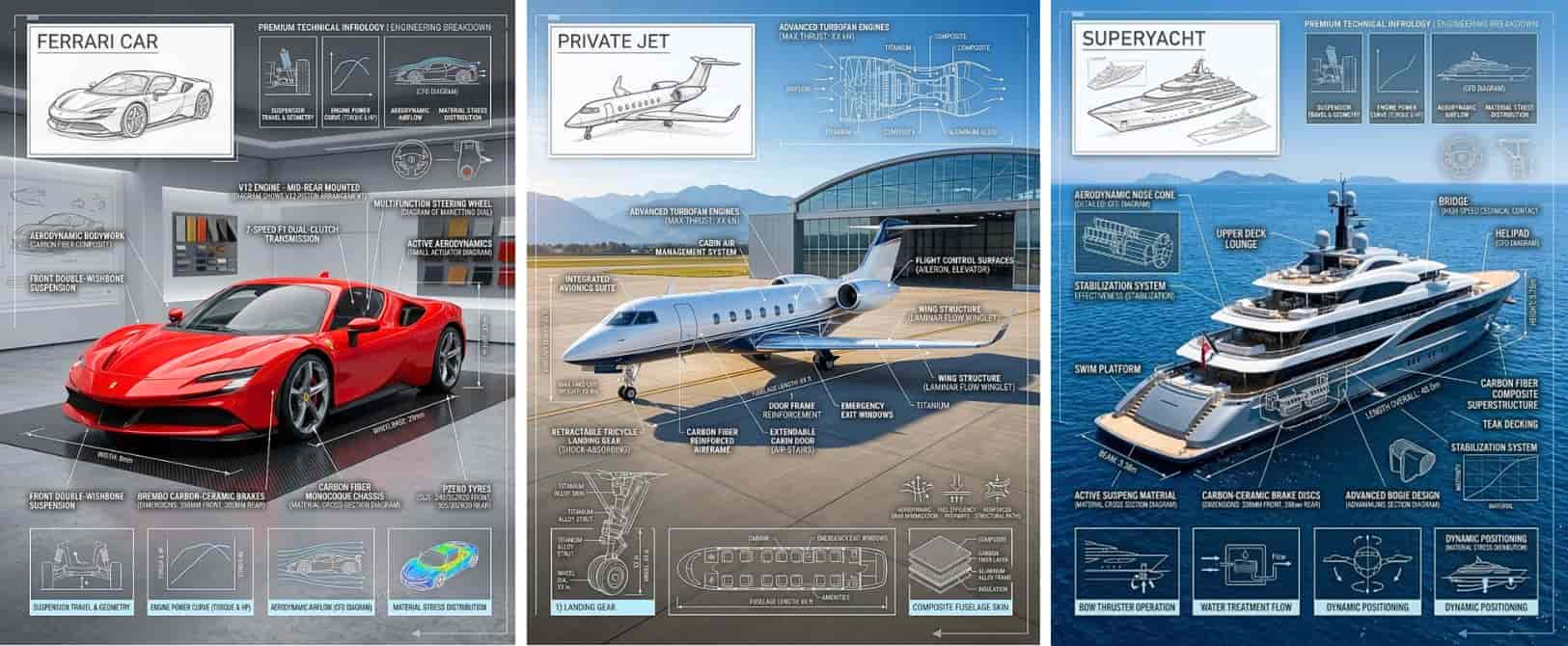
Premium technical infographic of [VEHICLE]. Use the reference image only to understand the shape and structure of the object, without copying the same photo, angle, composition, or background. Reinterpret the subject in a new professional and realistic photograph, clean and well-lit, with a suitable and more aesthetic background. Keep the object as a real photo, not an illustration. Add a technical blueprint-style overlay with white lines, arrows, dimensions, labels, and small diagrams of parts, materials, measurements, and functionality. Clear, elegant, and informative composition. Include a sketch box in the upper left corner with the title “VEHICLE”. 4:5 dimension.