Anthropic wprowadza potężny model AI Mythos, dostępny w wersji testowej wyłącznie dla partnerów ds. bezpieczeństwa
Anthropic udostępnił wersję podglądową swojego nowego „modelu granicznego” o nazwie Mythos, określanego jako najpotężniejszy do tej pory i zaprojektowanego specjalnie do zastosowań w cyberbezpieczeństwie. Podczas testów model zidentyfikował tysiące luk typu zero-day i jest obecnie dostępny w wersji testowej wyłącznie dla wybranej grupy partnerów ds. bezpieczeństwa w ramach projektu Glasswing.
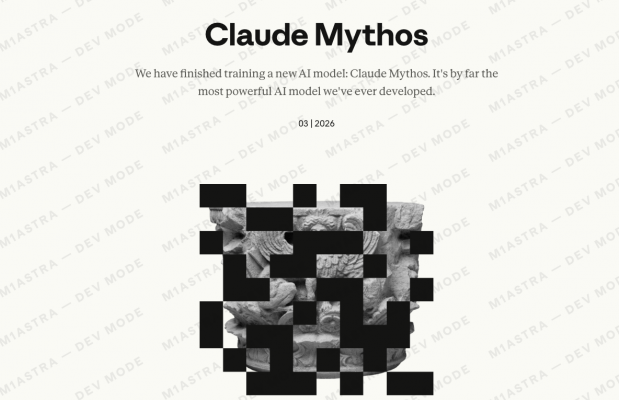
Anthropic uruchomił Mythos, swój jak dotąd najpotężniejszy model AI, który obecnie jest dostępny wyłącznie dla wybranych partnerów ds. bezpieczeństwa i wykazał niezwykłą zdolność do wykrywania tysięcy długo utrzymujących się podatności zero-day.
Anthropic prezentuje model nowej generacji „Mythos” do zadań z zakresu cyberbezpieczeństwa
Firma Anthropic, będąca jednym z liderów w dziedzinie AI, we wtorek udostępniła wersję zapoznawczą swojego modelu nowej generacji typu „frontier” o nazwie Mythos. Określany przez firmę jako „najpotężniejszy” model w jej dotychczasowej ofercie, jest on początkowo wdrażany dla niewielkiej grupy partnerów w ramach dedykowanej inicjatywy bezpieczeństwa o nazwie Project Glasswing, skoncentrowanej na zadaniach związanych z cyberbezpieczeństwem.
Nowy członek systemu Claude: nacisk na programowanie i wnioskowanie
Zgodnie z ogłoszeniem Mythos to ogólnego przeznaczenia model wielkoskalowy w ekosystemie Claude, wyróżniający się wyjątkowymi zdolnościami w zakresie programowania i logicznego rozumowania. Choć nie był trenowany wyłącznie do zastosowań w cyberbezpieczeństwie, w fazie zapoznawczej jego główne zastosowanie koncentruje się na skanowaniu podatności w kodzie zarówno oprogramowania własnego, jak i open source.
Anthropic poinformował, że w niedawnych testach wewnętrznych Mythos zidentyfikował tysiące podatności zero-day. Wiele z nich sklasyfikowano jako wysokiego ryzyka, a część problemów sięgała starszego kodu napisanego nawet dekadę lub dwie temu. Osiągnięcie to podkreśla znaczący potencjał dużych modeli językowych w odkrywaniu „historycznych podatności”, które przez lata pozostawały niewykryte.
Dostęp wyłącznie dla partnerów z podpisaną umową, nacisk na „bezpieczeństwo defensywne”
Wraz ze wzrostem możliwości modeli rosną również obawy branży dotyczące potencjalnych nadużyć. Gdyby takie narzędzia zostały wykorzystane przez podmioty o złych intencjach, mogłyby znacząco przyspieszyć tempo wykrywania podatności i przeprowadzania ataków. Aby ograniczyć te ryzyka, Anthropic wyraźnie zaznaczył, że wersja zapoznawcza nie jest dostępna publicznie i jest ograniczona do partnerów z podpisaną umową, realizujących określone zadania związane z bezpieczeństwem.
Na liście organizacji uczestniczących obecnie w testach Mythos znajdują się dziesiątki dużych podmiotów, takich jak Amazon, Apple, Broadcom, Cisco, CrowdStrike, Linux Foundation, Microsoft oraz Palo Alto Networks. Organizacje te będą współpracować w ramach „działań na rzecz bezpieczeństwa defensywnego” i po zakończeniu projektu podzielą się swoimi ustaleniami, aby pomóc podnieść standardy bezpieczeństwa w całej branży technologicznej.
Rozmowy z agencjami federalnymi USA w sprawie systemów o znaczeniu krajowym
Anthropic ujawnił również, że prowadzi „trwające rozmowy” z przedstawicielami władz federalnych USA dotyczące potencjalnego zastosowania Mythos w krytycznych systemach krajowych.
Rozmowy te odbywają się równolegle z toczącymi się sporami prawnymi. Wcześniej Departament Obrony USA uznał Anthropic za „podmiot stanowiący ryzyko dla łańcucha dostaw” po tym, jak firma odmówiła zgody na wykorzystanie swojej technologii do autonomicznych ataków lub nadzoru ukierunkowanego na obywateli USA.
Ujawnienie w wyniku przypadkowego wycieku
Warto zauważyć, że istnienie Mythos po raz pierwszy wyszło na jaw w wyniku incydentu związanego z bezpieczeństwem danych. W ubiegłym miesiącu szkic wpisu na blogu, który nie został jeszcze oficjalnie opublikowany, został omyłkowo zapisany w publicznie dostępnym repozytorium danych. Badacze bezpieczeństwa odkryli następnie te informacje i rozpowszechnili je.
W szkicu wspomniano, że Mythos jest większy i bardziej inteligentny niż poprzednia seria Opus. Zawierał on również ostrzeżenia, że w przypadku wykorzystania w złych celach model mógłby wykrywać i wykorzystywać podatności w tempie przewyższającym zdolność obrońców do ich łatania.
Kluczowe wnioski:
Mythos to najnowszy model AI typu frontier firmy Anthropic, obecnie udostępniony do testów ograniczonej liczbie partnerów ds. bezpieczeństwa.
Podczas testów model wykrył tysiące podatności zero-day, demonstrując potężną zdolność do odnajdywania historycznych błędów.
Firma bada możliwości zastosowania w krajowych systemach krytycznych we współpracy z władzami federalnymi USA, jednocześnie mierząc się z powiązanymi kontrowersjami prawnymi.