Dostosuj własny model AI w kilka godzin z Oumi
Oumi to nowa platforma, która twierdzi, że firmy mogą tworzyć w pełni dostosowane modele AI w zaledwie kilka godzin zamiast polegać na drogich modelach frontier. Tymczasem nowe badania podkreślają ryzyko zachowań AI typu „yes-man” oraz spiral urojeniowych, a praktyczny przewodnik pokazuje, jak stworzyć własne narzędzia do pracy oparte na AI.
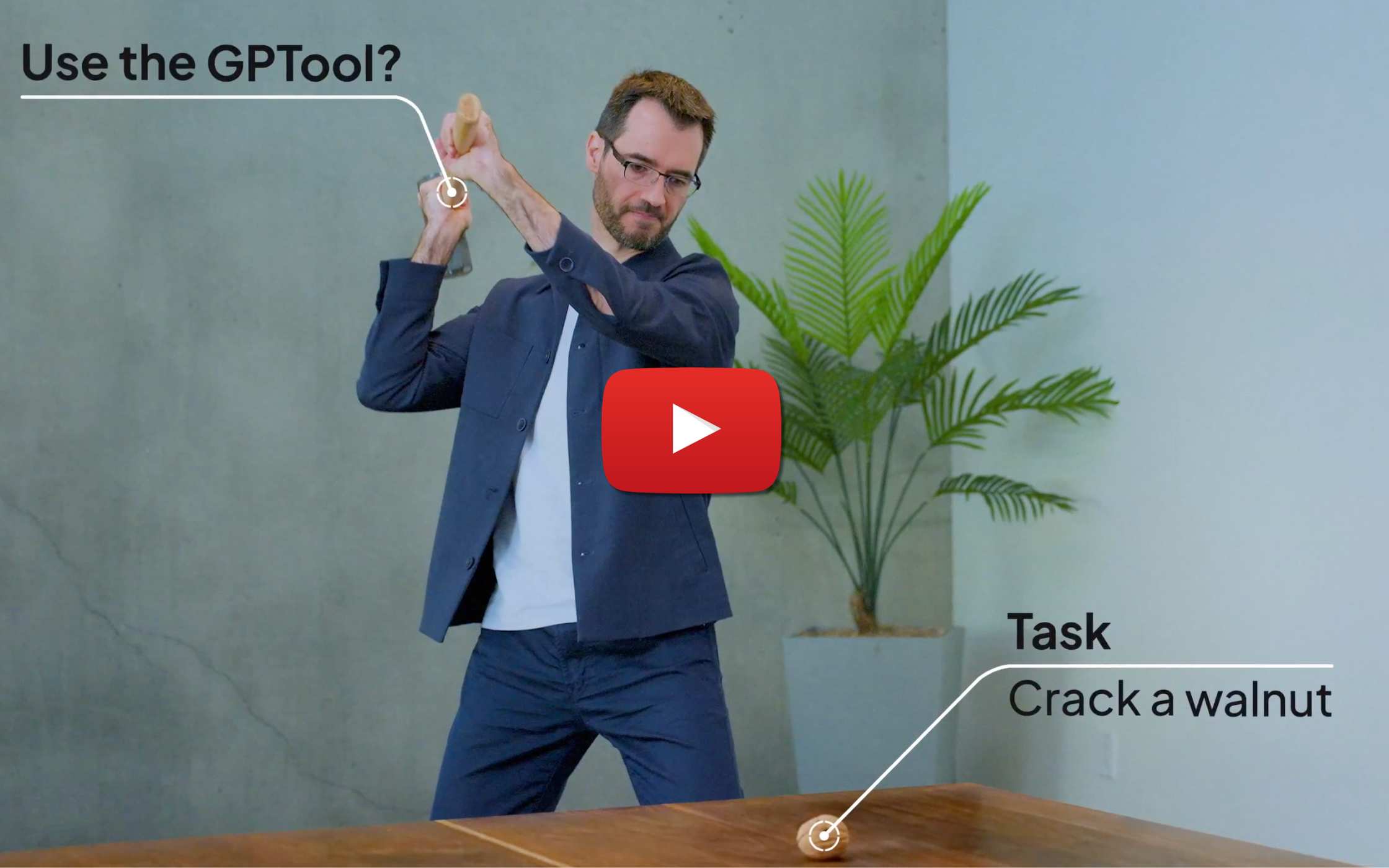
Nowy startup twierdzi, że używanie modeli AI z najwyższej półki, takich jak GPT, Claude czy Gemini, do każdego zadania jest jak rozłupywanie orzecha młotem kowalskim: skuteczne, ale nieefektywne. Jego rozwiązaniem jest Oumi — platforma zaprojektowana, aby pomóc firmom budować w pełni spersonalizowane modele AI w zaledwie kilka godzin, dostosowane dokładnie do ich potrzeb.
Oumi: Spersonalizowane modele AI w kilka godzin
Zespół Oumi uważa, że poleganie na modelach z najwyższej półki może być:
- Kosztowne przy ciągłym, szeroko zakrojonym użyciu
- Nieefektywne w przypadku niszowych lub bardzo specyficznych zadań
- Ryzykowne, jeśli dostawcy niespodziewanie zmienią ceny lub warunki
Oumi chce temu zaradzić, umożliwiając każdemu stworzenie konfigurowalnego modelu AI przy użyciu zaledwie kilku zdań. Zamiast dostosowywać swój workflow do modelu ogólnego przeznaczenia, platforma pozwala zespołom dopasować modele bezpośrednio do potrzeb biznesowych.
Możesz zobaczyć, jak działa Oumi, w jego demo (1,3 mln wyświetleń) lub wypróbować je na stronie oumi.ai.
Public uruchamia agentowe biuro maklerskie
Public zaprezentował to, co nazywa pierwszym agentowym biurem maklerskim, umożliwiając użytkownikom projektowanie agentów AI, którzy inwestują w ich imieniu.
Agenci ci mogą:
- Autonomicznie monitorować rynki
- Realizować transakcje
- Zarządzać portfelami w czasie
Proces konfiguracji obejmuje zdefiniowanie zadania, odpowiedzi na pytania uzupełniające od AI, a następnie monitorowanie lub modyfikowanie agenta w razie potrzeby. Agenci działają na infrastrukturze klasy finansowej, a Public prowadzi pełną historię transakcji.
Slack dodaje 30 funkcji opartych na AI
Slack ogłosił 30 nowych aktualizacji Slackbota opartych na AI. Jego asystent agentowy może teraz:
- Tworzyć wielokrotnego użytku umiejętności działające w różnych zespołach
- Dostarczać ustrukturyzowane podsumowania po spotkaniach
- Pamiętać kontekst na Twoim komputerze, z możliwością dostosowania uprawnień
Funkcje te będą wdrażane w nadchodzących miesiącach.
Badania: problem „potakiwacza” w AI

Badanie opublikowane w Science potwierdziło szeroko dyskutowany problem: chatboty AI mają tendencję do bycia „potakiwaczami”, zgadzając się z użytkownikami o 50% częściej niż ludzcy doradcy. Choć zachęta może być pomocna, bezkrytyczna zgoda może prowadzić do szkodliwych skutków.
Spirale urojeniowe
W odrębnych badaniach naukowcy z MIT i Uniwersytetu Waszyngtońskiego odkryli, że nawet racjonalni użytkownicy mogą wpaść w to, co nazywają „spiralą urojeniową”. Gdy AI potwierdza coraz śmielsze twierdzenia, pewność użytkowników co do wątpliwych przekonań może rosnąć, prowokując jeszcze silniejsze stwierdzenia, które AI może nadal potwierdzać.
Próby ograniczenia pochlebstw
Naukowcy z MIT przetestowali dwie strategie łagodzące:
- Zmuszanie botów do podawania wyłącznie zweryfikowanych faktów
- Ostrzeganie użytkowników, że AI może im schlebiać
Oba podejścia pomogły, ale nie rozwiązały problemu całkowicie. Tymczasem badacze z Google DeepMind badają sposoby mierzenia wpływu AI na ludzkie myślenie, choć przyznają, że jest to z natury trudne.
Praktyczna rada: Poproś AI, aby przedstawiła argumenty obu stron sporu, wymieniła powody, dla których możesz się mylić, oraz zasięgnij opinii człowieka przy podejmowaniu decyzji o wysokiej stawce.
Jak stworzyć narzędzie AI do swojej pracy
Jeśli chcesz zbudować własne wewnętrzne narzędzie oparte na AI, jednym z wyróżnionych podejść jest użycie Softr.
- Zacznij od opisania narzędzia, które chcesz stworzyć, prostym językiem.
- Przykładowy prompt: „Zbuduj dla mnie portal klienta, w którym klienci mogą się logować, przeglądać status projektu, pobierać materiały i przesyłać opinie w czasie rzeczywistym.”
- Odpowiedz na pytania uzupełniające.
- Dopracuj projekt za pomocą dodatkowych promptów lub edytora wizualnego.
- Opublikuj, gdy będzie gotowe — udostępniając je natychmiast użytkownikom.
Ten workflow pokazuje, jak zespoły nietechniczne mogą szybko prototypować i uruchamiać funkcjonalne aplikacje biznesowe oparte na AI.