Claude Code's Secrets Are Out as OpenAI Raises $122B
OpenAI closed a record-breaking $122B funding round at an $852B valuation, while Anthropic accidentally leaked the source code behind Claude Code. Meanwhile, a new benchmark shows leading AI models struggle with adaptive reasoning in a video game test.
OpenAI has closed the largest private funding round in history, while Anthropic is dealing with its second major leak in less than a week. At the same time, a new benchmark suggests today’s top AI models still struggle with adaptive reasoning.
OpenAI Raises $122B at an $852B Valuation

OpenAI officially closed a $122B funding round, valuing the company at $852B. The round was anchored by Amazon, Nvidia, and SoftBank, making it the largest private funding round in history.
The deal also revealed that OpenAI will be added to several ARK Invest exchange-traded funds (ETFs), potentially allowing retail investors exposure to the company. No timeline for inclusion was provided.
Anthropic Accidentally Leaks Claude Code’s Source Code
Anthropic inadvertently exposed the engine powering Claude Code. A researcher on X discovered roughly 1,900 files and 512,000 lines of code, offering an unusually detailed look at how the viral coding tool works.
The leak also revealed parts of Claude Code’s roadmap, with one X user identifying more than 20 unshipped features. This marks Anthropic’s second leak in less than a week. The first exposed details about Mythos, its secretive upcoming model.
ARC-AGI-3: The Video Game Test AI Can’t Beat
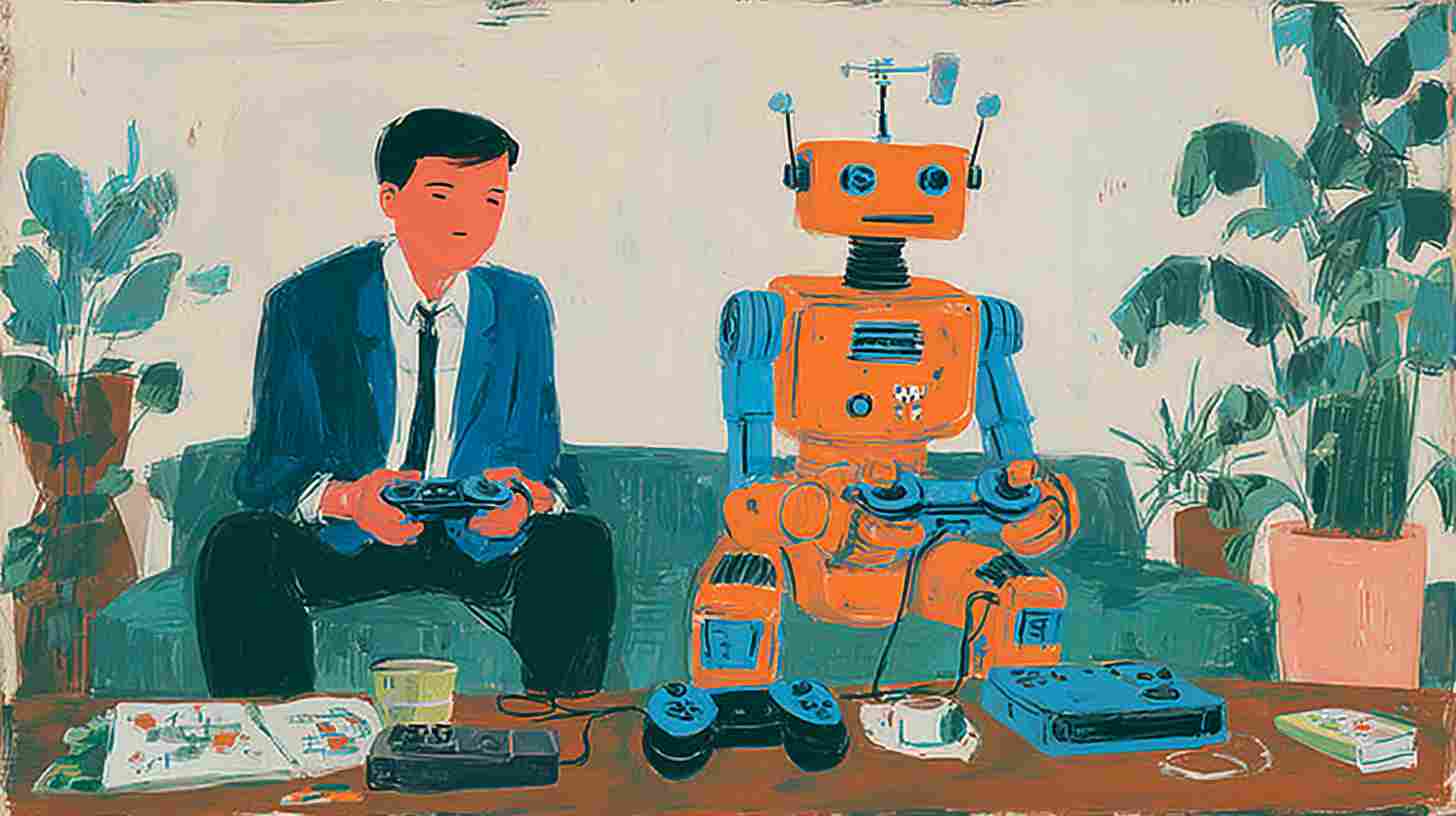
AI models have aced notoriously difficult exams such as the CPA and the bar. But the ARC-AGI-3 interactive reasoning benchmark highlights a different weakness: learning in unfamiliar environments.
The test drops AI models into a video game level with no instructions, rules, or stated goals. Models must figure out how to play and how to win efficiently. While most humans can solve the challenge, leading models—including Gemini, Claude, ChatGPT, and Grok—scored under 1%.
The results reinforce a key limitation of current systems: they excel at recalling patterns from massive training datasets, but struggle with real-time adaptation and novel problem-solving.
How to Vibe Design With Your Voice in Google Stitch
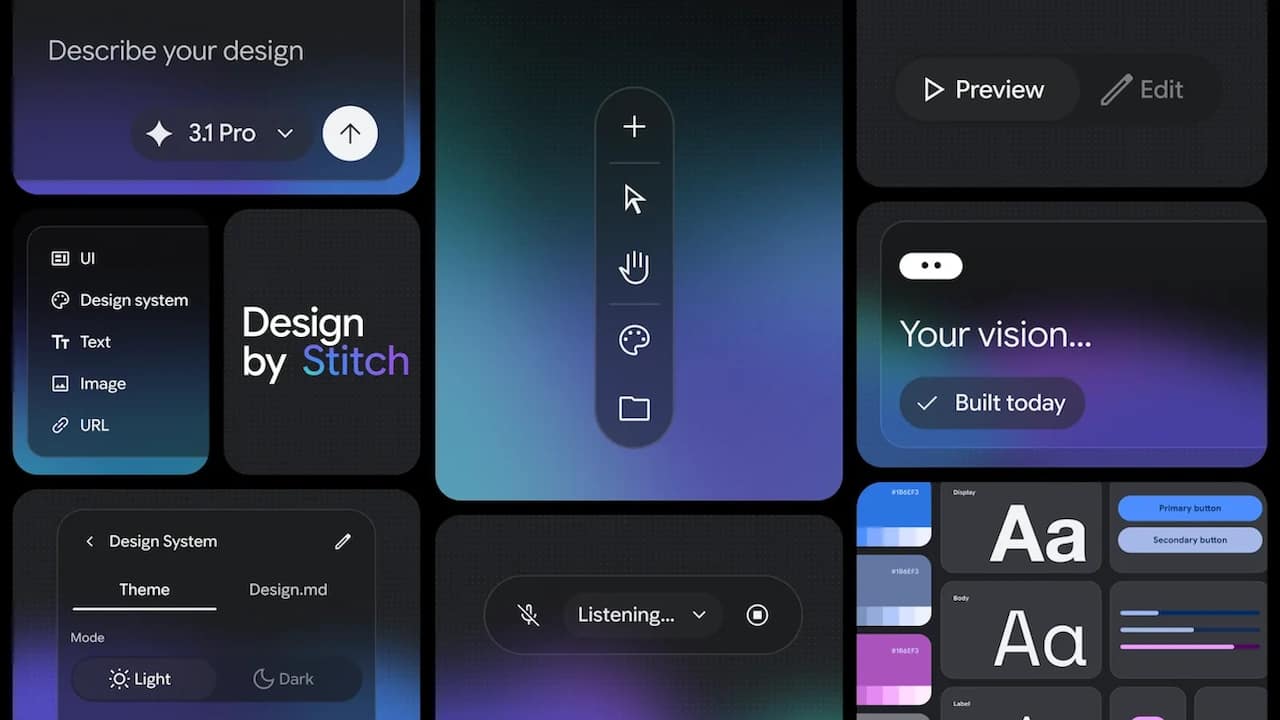
Google Stitch allows users to design interfaces using voice in real time. Here’s how to get started:
Sign up at Google Stitch.
Select the “3.1 Pro” model.
Enable “Start Live Mode (Preview)” so the AI can update your canvas in real time.
Click the microphone and begin describing your design.
Sample prompt: “Create a modern landing page for an AI newsletter with a hero section, testimonials, and pricing.”
Start with broad direction and refine later. For example:
“Make the hero more minimal, add a bold headline, and a yellow CTA button.”
Once finalized, export the design or move it into development environments such as React, Framer, or Webflow.
Softr Launches AI-Native No-Code App Builder
Softr introduced an AI-native platform that enables users to build production-ready business applications without code. The platform supports more complex components such as databases, permissions, and user interfaces.
Use cases include client portals, CRMs, and inventory management tools. Applications run on Softr’s infrastructure, and non-technical users can continue editing through a visual interface after deployment.