Microsoft folds its Copilot apps together and drops several underused AI features
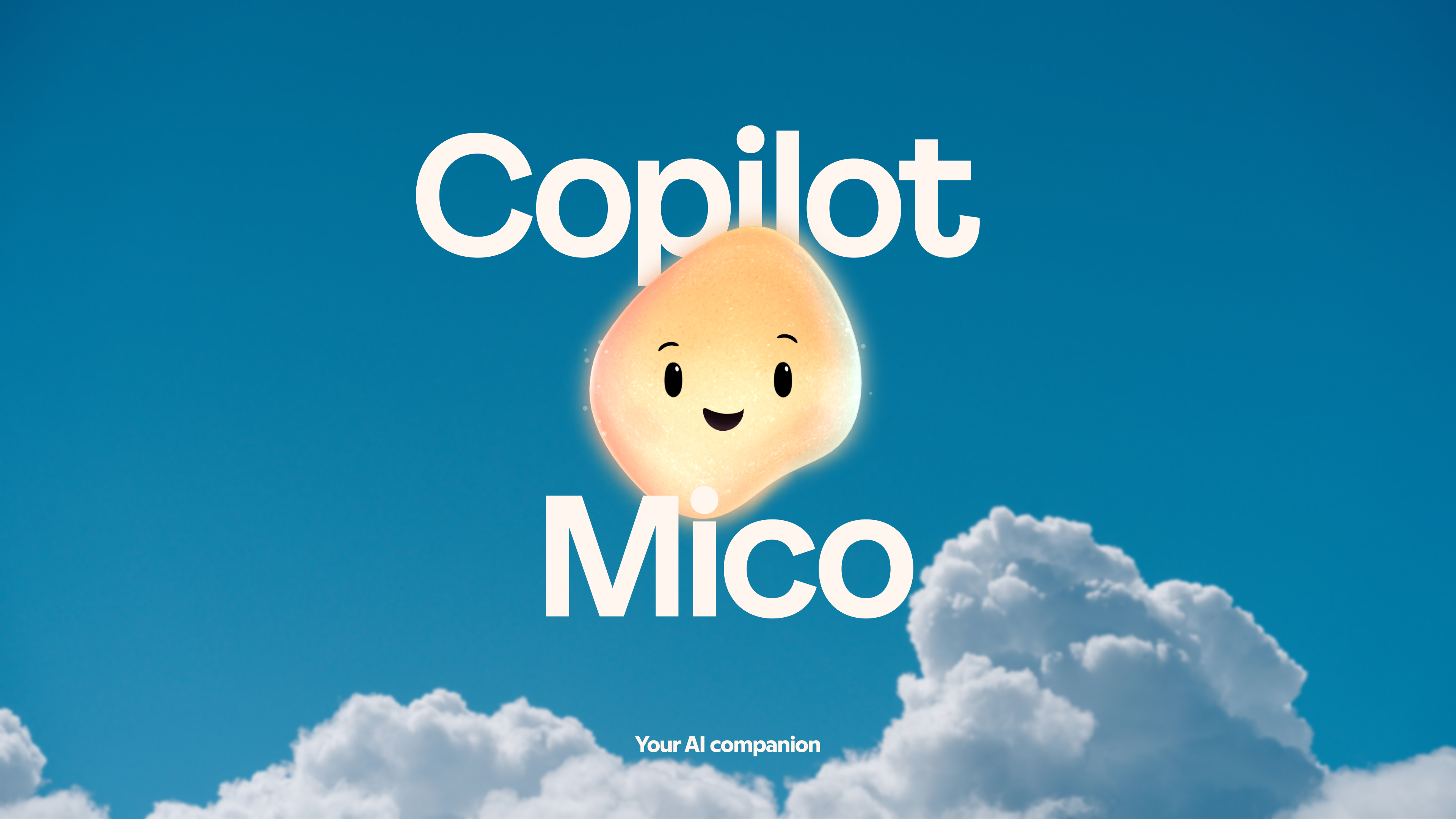
Microsoft is consolidating its consumer and business Copilot apps into a single experience while retiring several low-traction features, including Group Chats, AI-generated podcasts, Deep Research for consumers, Copilot Labs, and the Mico character. The move signals a broader reset as the company tries to simplify its AI product strategy and compete more directly with ChatGPT, Claude, and Gemini.
Microsoft is simplifying its Copilot strategy by merging its separate consumer and business apps and discontinuing a set of AI features that appear to have gained limited traction.
According to reporting and Microsoft support documentation, the company will combine the functionality of the consumer Copilot app with the Microsoft 365 Copilot app used more heavily in workplace settings. The change reflects a shift away from maintaining distinct AI experiences for personal and professional use, a boundary that has become increasingly blurry as users rely on the same assistants across both contexts.
A broader Copilot reset
The consolidation also suggests Microsoft is rethinking how Copilot should compete in a crowded AI assistant market. Rivals including OpenAI, Anthropic, and Google have increasingly pulled their capabilities into unified chat-centric products rather than scattering them across separate brands and interfaces. Microsoft now appears to be moving in the same direction.
As part of the transition, Microsoft is removing several features from the consumer side of Copilot. These include Group Chats, AI-generated podcasts, Copilot Labs experimental tools, Deep Research, and Mico, the animated Copilot character. Microsoft has indicated that some of these changes will take effect by August 18, 2026, and has warned that other features may temporarily disappear during the migration.
What is being removed
The list of discontinued features points to a pruning of experiments that did not become core parts of the Copilot experience. Group Chats and AI-generated podcasts represented attempts to expand Copilot beyond standard assistant interactions, while Copilot Labs served as a testing ground for more experimental functions. Deep Research, meanwhile, had aimed to offer more advanced multi-step information gathering for users, though Microsoft appears to be narrowing where that capability lives.
For business customers, Microsoft is positioning Researcher as a replacement for some of the deeper research functionality. The company also plans to move files created in the standalone Copilot app into OneDrive as part of the transition.
Why this matters
The move is notable not just because Microsoft is cutting features, but because it amounts to an acknowledgement that its AI product structure had become too fragmented. Microsoft was early and aggressive in branding much of its AI work under the Copilot name, but the resulting lineup often felt confusing, with overlapping apps, uneven feature placement, and unclear distinctions between consumer and enterprise use cases.
By reducing that complexity, Microsoft may be trying to make Copilot easier to understand and more competitive against ChatGPT, Claude, and Gemini, all of which have benefited from more centralized product experiences. At the same time, feature retirements underscore a harder reality of the current AI market: even major platforms are discovering that not every generative AI experiment becomes a habit-forming product.
For users, the immediate impact will be a simpler but narrower Copilot offering. For Microsoft, the bigger question is whether simplification alone is enough to revive momentum in an increasingly crowded assistant market.