China Tightens Grip on Top AI Talent Amid Geopolitical and Industry Shifts
Beijing is implementing travel restrictions on leading AI researchers and startup founders to curb brain drain, highlighted by the blocked Manus-Meta acquisition and a rapidly narrowing performance gap with U.S. models.
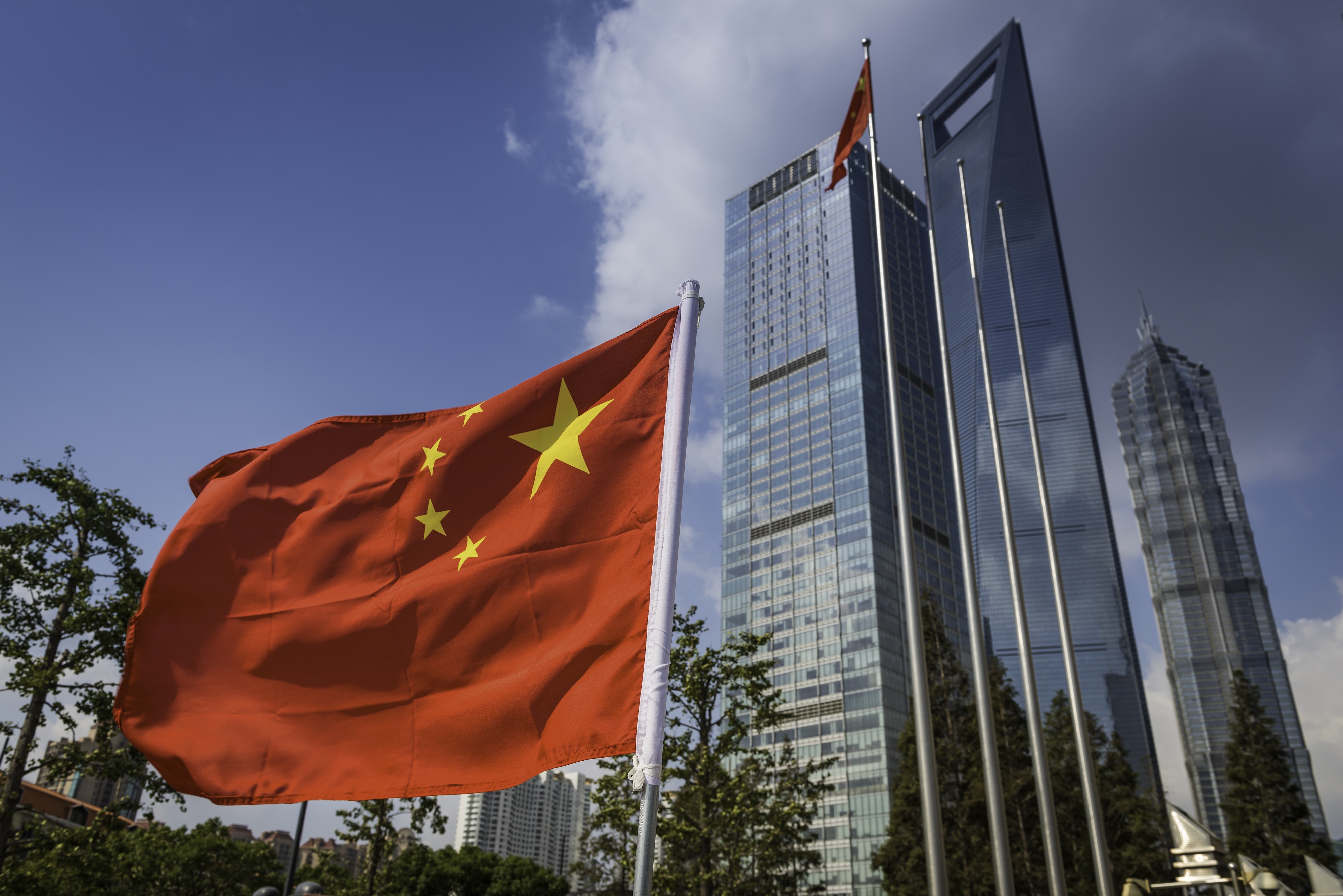
The Great AI Talent Lockdown
China’s rapid ascent in artificial intelligence has triggered a strategic pivot in how Beijing manages its most valuable resource: human capital. As domestic AI labs and startups produce world-class researchers, the Chinese government is increasingly restricting international travel for top-tier talent, signaling a decisive move to curb the industry’s long-standing brain drain.
Border Controls and Government Oversight
According to recent reports, prominent AI researchers, startup founders, and private tech executives are now facing stringent travel limitations. Many are required to secure explicit government approval before departing the country. This policy shift, first flagged by the Wall Street Journal in early 2025, underscores Beijing’s dual focus on treating AI as both a critical economic engine and a matter of national security. By keeping top minds within domestic borders, authorities aim to accelerate local model development and prevent proprietary knowledge from leaking to foreign competitors.
The Manus-Meta Acquisition Fallout
The tightening of talent mobility has been sharply illustrated by the recent scrutiny surrounding the proposed $2 billion acquisition of Chinese AI startup Manus by Meta. Following regulatory intervention, Beijing has barred Manus’s co-founders from leaving the country while authorities investigate whether the deal violates foreign investment guidelines. Reports indicate the founders are now exploring a $1 billion buyback strategy to unwind the transaction and retain control of the company. This high-profile case highlights how geopolitical considerations are directly reshaping cross-border M&A in the AI sector.
Closing the Performance Gap
These restrictive measures coincide with a dramatic narrowing of the technological divide between Eastern and Western AI ecosystems. Data from Stanford’s latest AI Index reveals that the performance gap between leading U.S. and Chinese models has contracted to just 2.7% as of March 2026, down from approximately 31% in 2023. While the United States continues to lead in overall compute infrastructure and commercial deployment, China’s aggressive talent retention strategy and state-backed research initiatives are rapidly closing the distance.
Implications for the Global AI Race
As Beijing prioritizes domestic AI development over global talent mobility, the international tech landscape faces a new reality. The era of seamless cross-border collaboration and unrestricted researcher exchange is giving way to a more fragmented, security-driven paradigm. For global AI companies and investors, navigating this shifting terrain will require deeper local partnerships, heightened regulatory awareness, and a recognition that top-tier AI talent is increasingly viewed as a strategic national asset.