Intel’s 490% Stock Surge Signals Wall Street’s High-Stakes Bet on a Turnaround
Intel’s shares have soared nearly 490% in a year under CEO Lip-Bu Tan, reflecting investor optimism that may be running ahead of the chipmaker’s operational progress.
Intel is staging one of the most dramatic stock market rebounds in recent memory. Over the past year, the semiconductor giant’s shares have climbed roughly 490%, a staggering rally that signals renewed investor confidence in a company that, until recently, was widely seen as losing its competitive edge.
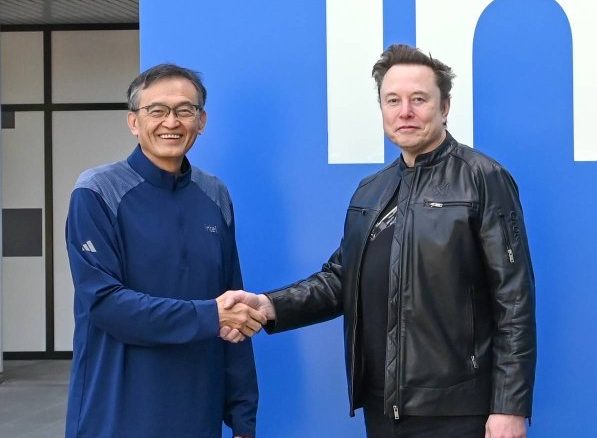
The surge coincides with the first year of CEO Lip-Bu Tan’s tenure. Since taking the helm, Tan has focused heavily on relationship-building and strategic partnerships, positioning Intel at the center of geopolitical and industry realignments in advanced chip manufacturing.
A Strategy Built on Alliances
Rather than leading with sweeping internal restructuring announcements, Tan has emphasized high-profile external deals. Intel secured a major agreement with the U.S. government, which is now its third-largest shareholder, reinforcing the company’s role in domestic semiconductor production. The move aligns with Washington’s push to reshore critical chip manufacturing capacity.
Tan has also cultivated relationships with major technology players. Intel reportedly reached preliminary manufacturing agreements with companies including Apple and Tesla, and has explored factory partnerships involving Elon Musk. These moves suggest a bid to reposition Intel as a trusted manufacturing and design partner at a time when supply chain resilience and geopolitical considerations are reshaping the chip industry.
Execution Challenges Persist
Despite the market’s enthusiasm, Intel’s operational fundamentals remain a work in progress. The company continues to trail Taiwan Semiconductor Manufacturing Company (TSMC) in chip yields and advanced process technology. Manufacturing execution — long a pain point for Intel — has yet to fully demonstrate the sustained improvement needed to justify its soaring valuation.
Reports indicate that internally, some teams are still grappling with missed deadlines and shifting timelines. While Tan’s external messaging has focused on long-term vision and strategic positioning, questions remain about whether the company can translate ambition into consistent operational gains.
Market Optimism vs. Measured Reality
The 490% rally represents more than a routine rebound. It reflects a large-scale bet by Wall Street that Intel can reclaim technological leadership and reestablish itself as a cornerstone of Western semiconductor manufacturing. Investors appear willing to price in future success well before the turnaround is fully visible in earnings or production metrics.
For Intel, the challenge now is execution. Strategic alliances and government backing provide a foundation, but sustained competitiveness will depend on closing the technology gap with rivals and delivering reliable manufacturing at scale.
Whether this resurgence becomes a durable comeback story or a case of optimism outrunning fundamentals will likely define Intel’s next chapter — and determine whether Wall Street’s bold wager ultimately pays off.