Hier kommt Bob, IBMs freundlicher KI-Coding-Assistent
Auf seiner Think 2026-Konferenz stellte IBM Bob vor, einen KI-gestützten Coding-Assistenten, der einen Großteil des Softwareentwicklungszyklus automatisieren soll, während der Mensch die Kontrolle behält. Die Einführung unterstreicht IBMs umfassendere Ausrichtung auf agentische KI, Hybrid-Cloud- und Multi-Modell-Strategien.
BOSTON — Lernen Sie Bob kennen, einen unterstützenden und kollaborativen KI-Coding-Helfer, der einen Großteil des Softwareentwicklungsprozesses automatisiert und dabei den Menschen in der Verantwortung lässt.
„Es ist Bob der Baumeister“, sagte Venkat Venkatesan, Senior Manager in der Tax Technology and Transformation Practice bei EY, und bezog sich dabei auf die britische Zeichentrickserie über einen Bauarbeiter und seine hilfreichen sprechenden Maschinen. „Als ich anfing, Bob zu nutzen, wusste ich, dass es kein einfacher Coding-Assistent war.“
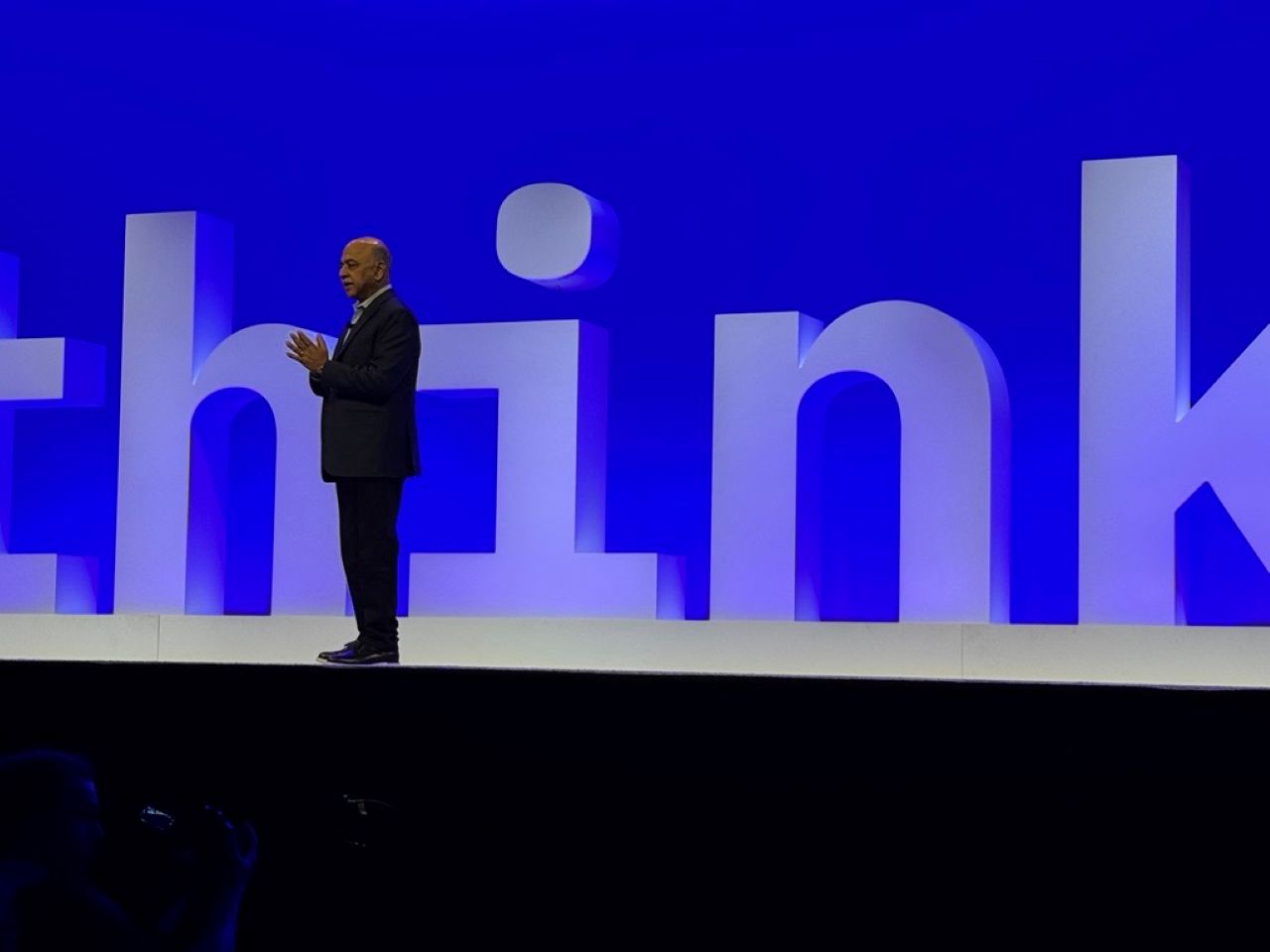
Etwa eine Woche vor Beginn der IBM-Nutzerkonferenz Think 2026 veröffentlicht, wurde Bob schnell zu einem zentralen Element der Veranstaltung und erschien in Panels, Präsentationen und in der Eröffnungs-Keynote von IBM-Chairman und CEO Arvind Krishna.
Ein agentischer Ansatz für das Programmieren
Bob wird als IBMs Antwort auf führende Coding-Agenten wie Claude Code von Anthropic und Codex von OpenAI positioniert. Bemerkenswert ist, dass Claude auch eines der KI-Modelle ist, das Bob antreibt.
Bob leitet Coding-Aufgaben je nach Anforderung an unterschiedliche Modelle weiter, darunter Claude, Open-Source-Modelle des französischen KI-Anbieters Mistral sowie Granite, IBMs eigene Familie leichtgewichtiger Modelle.
Venkatesan und ihr Team bei EY, die eine umfassende globale Steuerplattform entwickeln, nutzten Bob mehrere Monate lang in einer privaten Beta, bevor IBM ihn Ende letzten Monats allgemein verfügbar machte und ihn auf der Think 2026 breiter vorstellte.
„Ich würde es einen Agenten nennen“, sagte Venkatesan. „Er hilft dir in jeder Phase. Es ist, als würdest du mit ihm zusammenarbeiten.“
Sie verglich die Erfahrung mit Pair Programming, einer traditionellen Praxis, bei der zwei Entwickler gemeinsam an einem Arbeitsplatz Code schreiben.
„Bob ist so ähnlich. Es ist wie ein digitaler Mitarbeiter. Man arbeitet zusammen“, sagte Venkatesan.
KI im Zentrum von IBMs Strategie
Bob war eine von mehreren KI-Ankündigungen auf der Konferenz. Krishna betonte, dass KI im Zentrum von IBMs Strategie stehe, und verwies darauf, dass das 115 Jahre alte Unternehmen KI und Automatisierung in seinen gesamten Betrieb integriert und dadurch Produktivitätsgewinne in Höhe von 4 Milliarden US-Dollar erzielt habe.
„Wenn man mit unterschiedlichen Kunden spricht, mit verschiedenen Regionen und Branchen, ist das die große Veränderung“, sagte Krishna. „Es geht nicht mehr darum, wie hoch Ihr Budget ist. Die Frage lautet: Wie tief ist KI in Ihre Geschäftsprozesse eingebettet?“
IBM kündigte außerdem die Veröffentlichung von 150 vorgefertigten Agenten in Watsonx Orchestrate für Hybrid-Cloud- und Mainframe-Umgebungen, eine umfassende Erweiterung der Concert-AIOps-Plattform sowie eine neue Generation des Agenten-Management-Systems Watsonx Orchestrate an. Das Unternehmen hob zudem eine Integration zwischen Watsonx und der Streaming-Datenplattform von Confluent nach der 11-Milliarden-Dollar-Übernahme von Confluent hervor.
Branchenbeobachter sagen, dass IBMs Strategie, sein generatives KI-Angebot — angeführt von Granite- und Watsonx-Modellen — auf Hybrid-Cloud- und Mainframe-Umgebungen auszuweiten und dabei einen Multi-Model- und Multi-Cloud-Ansatz beizubehalten, den Bedürfnissen seiner Unternehmenskunden entspricht.
IBM unterhält langjährige Beziehungen zu großen Finanzinstituten und anderen stark regulierten Organisationen, die insbesondere auf Mainframes großen Wert auf Datenschutz und Sicherheit legen.
Sanjeev Mohan, Gründer und Analyst bei SanjMo, merkte an, dass Mainframes weiterhin ein Profitcenter für IBM seien.
„Wenn Sie ein Finanzdienstleistungsunternehmen oder ein Agrarunternehmen sind und bei 70 % der weltweiten Transaktionen weiterhin alles über Mainframes läuft“, sagte Mohan. „Mainframes sind ein wachsendes Geschäft, kein sterbendes.“
Mohan fügte hinzu, dass IBMs Entscheidung, nicht direkt mit den größten Anbietern generativer KI zu konkurrieren, sondern sich stattdessen auf kleinere, leichtgewichtigere Modelle für spezifische Unternehmensanforderungen zu konzentrieren, eine sinnvolle Strategie sei.
„Was IBM sagt, ist: Bei so viel Wettbewerb gilt: ‚Wenn wir uns auf sehr spezifische Bereiche konzentrieren, in denen unsere Kunden tätig sind, können wir dort Fuß fassen, wo der Bedarf besteht, anstatt ein generisches Modell zu entwickeln‘“, sagte er.
Unternehmensadoption und Multi-Model-Strategien
Der IBM-Kunde SEI, ein in Pennsylvania ansässiges Finanzdienstleistungsunternehmen, arbeitet mit IBM Consulting zusammen, um KI-Agenten für cloudbasierte Abläufe über mehrere Geschäftsprozesse hinweg zu entwerfen, darunter der Ersatz älterer OCR-Dokumentensysteme. Die Buchhaltungssparte von SEI läuft weiterhin auf IBM-Mainframes.
„Sie kommen zu uns, um uns wirklich dabei zu helfen, unsere Workflows von Grund auf neu zu betrachten, sie neu zu gestalten und KI dort einzusetzen, wo es sinnvoll ist, und potenziell diese Agenten aufzubauen“, sagte Zachary Womack, CTO bei SEI. „In Zukunft geht es im Betrieb nicht mehr darum, Anwendungen zu bedienen, sondern Agenten zu orchestrieren.“
Der Technologie-Stack könnte Watsonx-Modelle und -Agenten sowie Claude- oder OpenAI-Modelle umfassen.
„Unser Ansatz ist definitiv Multi-Model“, sagte Womack. „All das wird Teil des Frameworks sein, das wir weiter ausbauen.“
Die Kapitalrendite bleibt eine offene Frage.
„Es ist noch früh. Die Frage nach dem ROI ist berechtigt“, sagte Womack. „Ich denke, die Menschen prüfen noch immer das vorhandene Potenzial.“
KI über das Unternehmen hinaus
Auch der ehemalige Tennis-Champion Andre Agassi trat auf der Konferenz auf, um über seine Watsonx-gestützte mobile App für digitales Coaching im Racketsport zu sprechen, deren Veröffentlichung später in diesem Jahr geplant ist.
Agassi sagte, dass ihm während seiner aktiven Karriere die Vorbereitung geholfen habe, körperliche Einschränkungen zu überwinden. Nun sehe er in KI eine Möglichkeit, die Leistung auf neue Weise zu steigern.
„Und jetzt, plötzlich, wenn man die Fähigkeiten einer KI sieht, meine Partnerschaft mit IBM, erkennt man … wir haben mehrere Möglichkeiten, dies zu nutzen, um dieses Spiel auf wunderschöne Weise zu verbessern und es weit in die Zukunft zu führen“, sagte er.