Meta’s natural gas binge could power South Dakota
Meta’s $27 billion Hyperion AI data center will be supported by 10 new natural gas power plants in Louisiana generating about 7.5 gigawatts of electricity. The plants could emit an estimated 12.4 million metric tons of CO2 annually, raising questions about the company’s climate commitments.
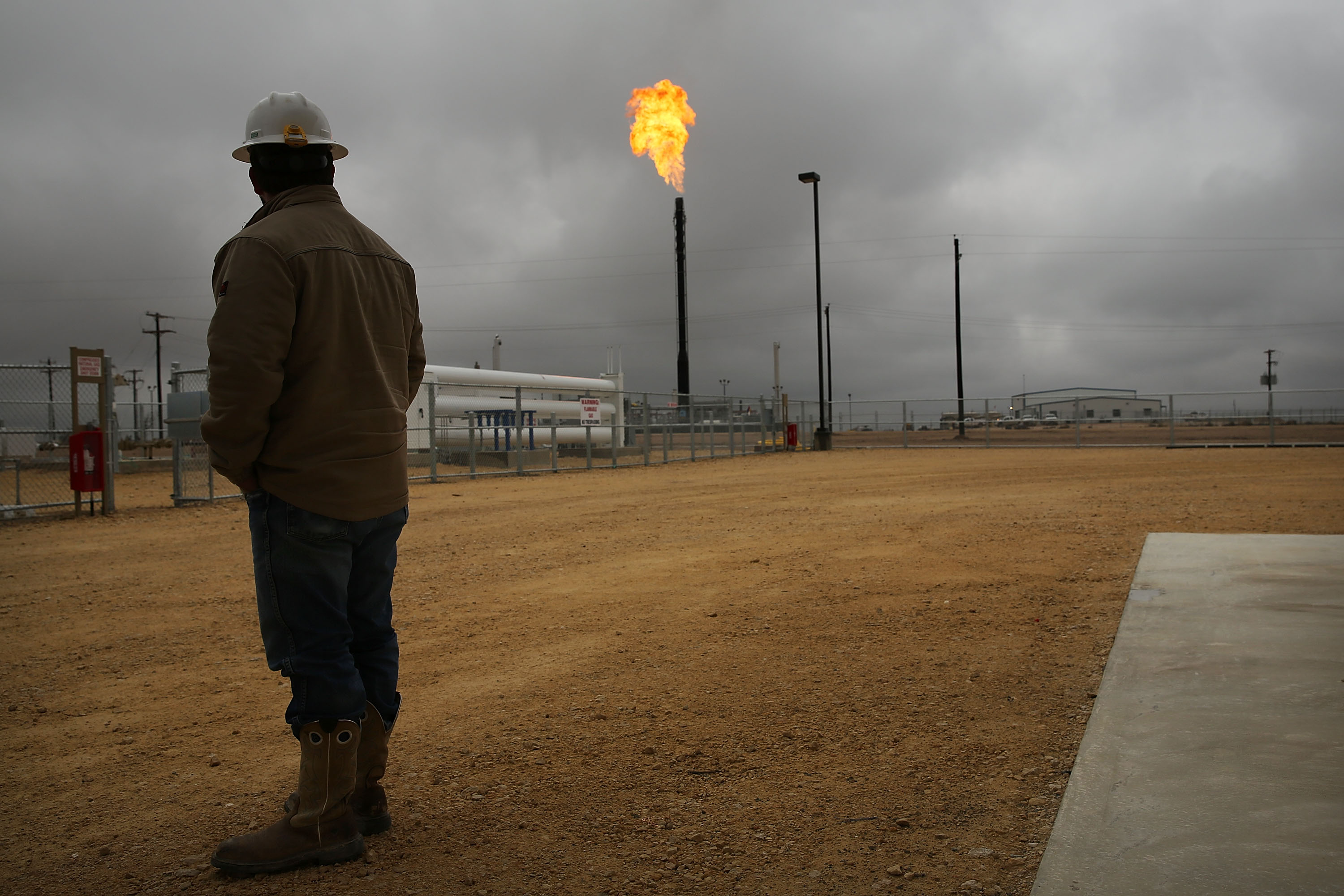
Data centers have grown so large that their power demands now rival those of entire U.S. states. Meta’s upcoming Hyperion AI data center is a prime example. When completed, the facility is expected to draw as much electricity as the state of South Dakota.
Ten Natural Gas Plants for One Data Center
Meta recently announced it would fund seven natural gas power plants, in addition to three it had already committed to building, to support the $27 billion project. Together, the 10 power plants in Louisiana are expected to generate around 7.5 gigawatts of electricity — slightly more than the total generating capacity of South Dakota.
Natural gas has often been described as a “bridge fuel,” intended to provide reliable power while renewables, batteries, and nuclear energy scale up. However, that argument has persisted for decades. Meanwhile, the costs of renewables and batteries have fallen significantly, while prices for gas turbines have have skyrocketed.
Meta has been a leading purchaser of solar, battery storage, and nuclear power in recent years. The decision to significantly expand its reliance on natural gas stands in contrast to those investments. TechCrunch reached out to Meta for comment, but the company did not respond to multiple requests.
Emissions Impact
According to TechCrunch’s calculations based on Department of Energy data, the turbines in Louisiana will emit approximately 12.4 million metric tons of CO2 annually. That figure is about 50% higher than Meta’s entire carbon footprint in 2024, the most recent year for which such data is available.
The estimate does not account for methane leaks in the natural gas supply chain, meaning the total climate impact is likely higher.
Methane, the primary component of natural gas, has 84 times the warming potential of carbon dioxide over a 20-year period. Research shows that leakage rates as low as 0.2% along the supply chain can make natural gas’ climate impact worse than coal. In the United States, methane leakage from natural gas production and pipelines is estimated to be closer to 3%.
Climate Commitments Under Scrutiny
Meta regularly publishes sustainability reports and has emphasized its environmental commitments in the past. However, its latest report makes no mention of methane leaks, methane, or natural gas.
Despite that omission, natural gas is poised to become one of the largest contributors to Meta’s carbon footprint in the coming years. The company may seek to offset the resulting emissions through carbon removal credits, but doing so would require substantially more offsets, along with a transparent accounting of methane leakage associated with supplying its new power plants.